
Regulation — UK
United Kingdom: a 2 million trial to identify drones in London
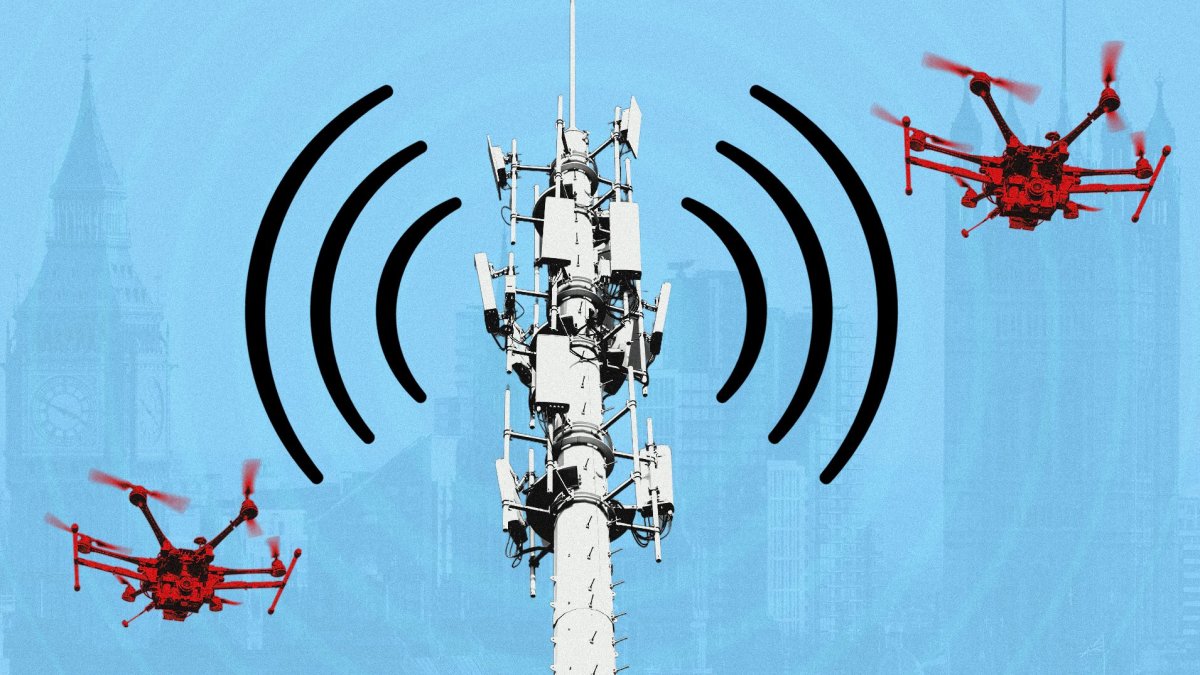
Identification at five kilometres and seizure of drones
The UK government announced on 24 November 2026 a trial worth nearly £2 million in London to equip the police with equipment capable of identifying and tracking drones.
The Regulatory Innovation Office co-funds this trial. No new flight rules are being published for remote pilots. Its scope is London airspace, with particular attention to public gatherings and sensitive sites.
i Paper reports that today police officers must be almost directly under a drone to read its identifier, because of insufficient range. The new equipment is intended to extend this reading to five kilometres and provide a more precise picture of drone activity in the capital (i Paper).
The DfT speaks of more extensive and more reliable detection of digital plates, without giving any guarantee on actual coverage.
Officers could then seize the device and prosecute the remote pilot. Aviation Minister Keir Mather mentions up to five years' imprisonment for a violation of a restricted zone above an airport, a penalty provided for this type of offence.
The CAA, for its part, reminds that drones must remain at least 5 km from airports and below 120 m altitude.
Ten remote pilots were prosecuted for flying in a restricted zone in Leicester (link). This precedent shows that identification can lead to prosecution.
Funding for the trial and identification receivers
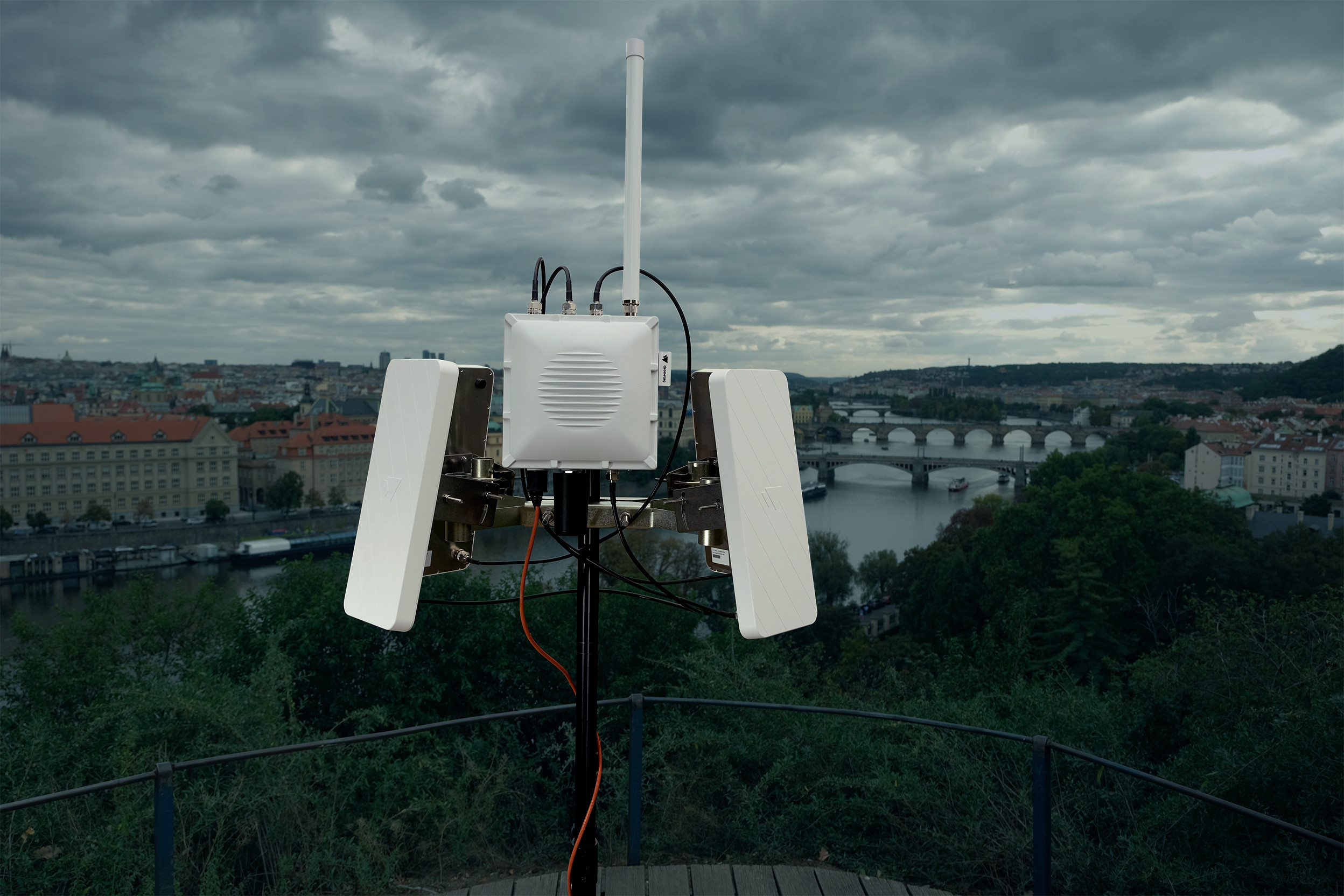
The DfT states that current digital plates identify a drone and its position. They are generally detectable only within a limited perimeter. Unmanned Airspace publishes the announcement: the new equipment is intended to extend the range and accuracy of this detection (Unmanned Airspace).
The ministry cites disruptions around a football match the previous month and concerts the previous year to justify the system.
Remote identification relies on receivers deployed on the ground. Dronetag, a Prague-based company founded in 2018, claims more than 25,000 customers in more than 40 countries and a network of more than 3,000 receivers, used by more than 350 public safety agencies and the armed forces of more than 15 NATO countries.
Its data show that autonomous operations increased 2.6-fold over one year and that 24.9% of flights recorded in the United States are autonomous (Autonomy Global). These figures describe the US market and the company's network.
They do not measure the coverage of the future London trial.
The DfT also presents the trial as a way of enabling drones and other aircraft to coexist, with an expected benefit for medical deliveries and shopping delivery services, including Amazon deliveries. No additional flight volume is quantified in the announcement.
Affected remote pilots and timetable
The operators concerned are those flying drones in London airspace, particularly near stadiums, concert halls, airports and sensitive sites. Professional flights, especially delivery flights, will be tracked more often there if the trial delivers on its range promises.
The announcement date is 24 November 2026. The DfT has not published an operational start date or a duration for the trial. The minister mentions the possibility of drawing lessons for the airport sector and the protection of critical national infrastructure, without an extension timetable.
The existing framework remains applicable during the trial. The CAA asks remote pilots to stay away from airports and comply with the 120 m ceiling. Restricted zones above airports already expose people to prosecution, independently of the new antenna network.
Technologies, rules and scope not specified
The announcement does not name the technologies deployed, nor the manufacturers of the equipment entrusted to the police. It does not specify whether the system will rely solely on remote identification, on radio sensors or on a combination of means.
No new rule on carriage, declaration or authorisation specific to London is announced.
The exact role of the Regulatory Innovation Office remains to be clarified. The DfT states that this body co-funds the trial and is to work to remove obstacles to the development of drone operations, without detailing the obstacles concerned.
The actual five-kilometre range, coverage of dense neighbourhoods and the ability to distinguish an authorised drone from an intruding drone remain to be verified in the field.
Neutralising devices is a subject distinct from identification. UK work has shown that an expert could neutralise DJI drones for less than €1,000 (a British expert neutralises DJI drones).
Upstream detection is not enough to settle the police response. The link between this type of means and the London trial is not established by the announcement.
← Back to home · Search · Suggest a topic · Lire en français / Read in French