
Regulation — AT
Austria: critical infrastructure operators will be able to shoot down drones
What the reform changes compared with current law
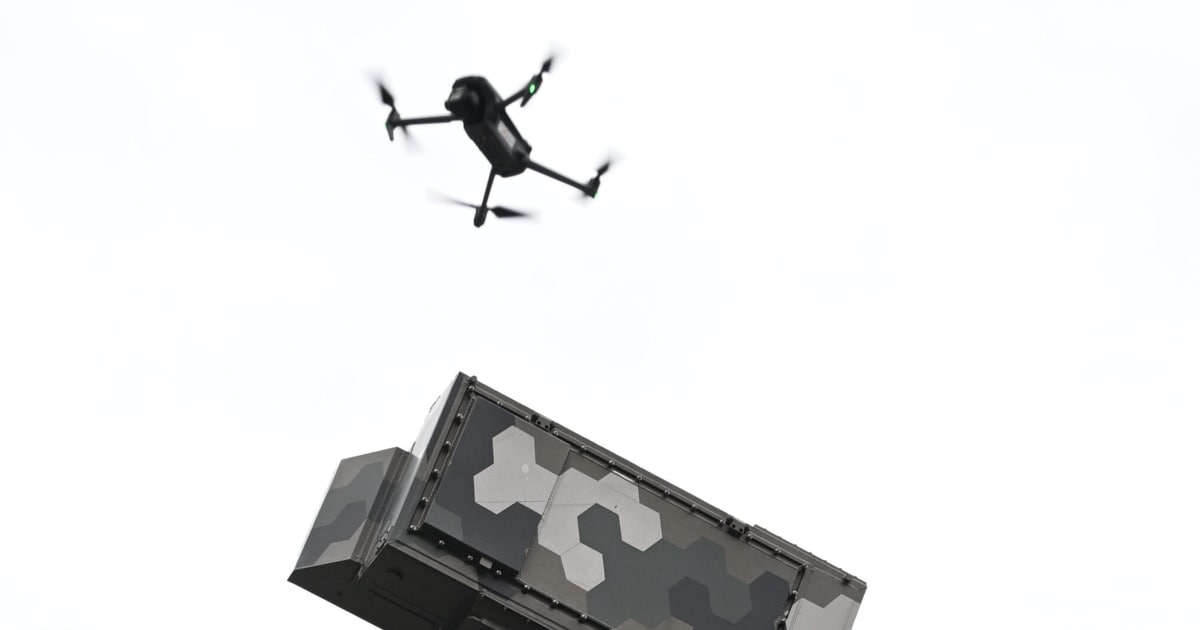
Until now, defence against non-cooperative drones has been a matter for the state. Einsatzkommando Cobra and the Bundesheer have developed these capabilities over years; a private operator that spots a drone above its site has no legal basis for neutralising it.
The announced reform moves this boundary: critical infrastructure companies could attack drones they have detected themselves.
The arrangements remain broad. The announcement refers to possible action “bei entsprechender Bedrohung”, including by electronic means, and the possibility of shooting down the device, according to the account of the ministerial presentation. No threat threshold is specified.
For a professional remote pilot, proximity to a critical installation ceases to be a mere regulatory flight framework. It becomes an area where a third party can act on the aircraft’s signal, in addition to public controls.
Overflight of sensitive sites is already prosecuted elsewhere in Europe, as shown by the prosecutions of ten remote pilots in Leicester.
Neutralisation does not require major resources. A British expert disabled DJI devices for less than €1,000, a method described in the neutralisation of DJI devices by a British expert. A drone on an inspection mission cut off abruptly loses the aircraft and the flight data, and the corresponding liability regime has not yet been settled.
The 24 November strategy and the resources committed
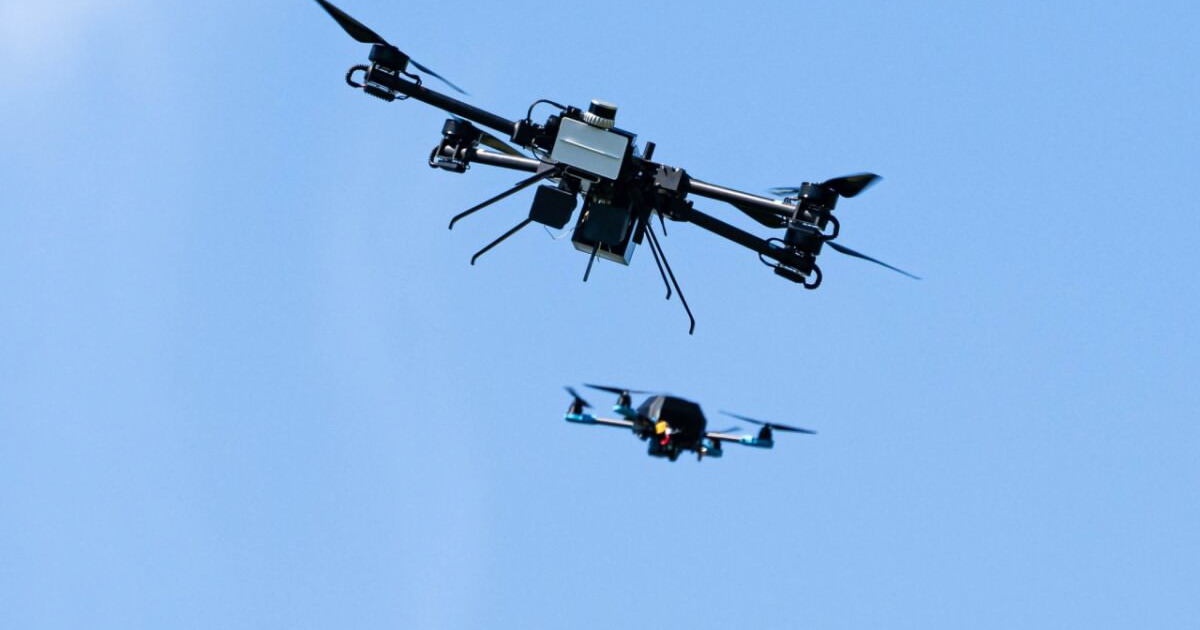
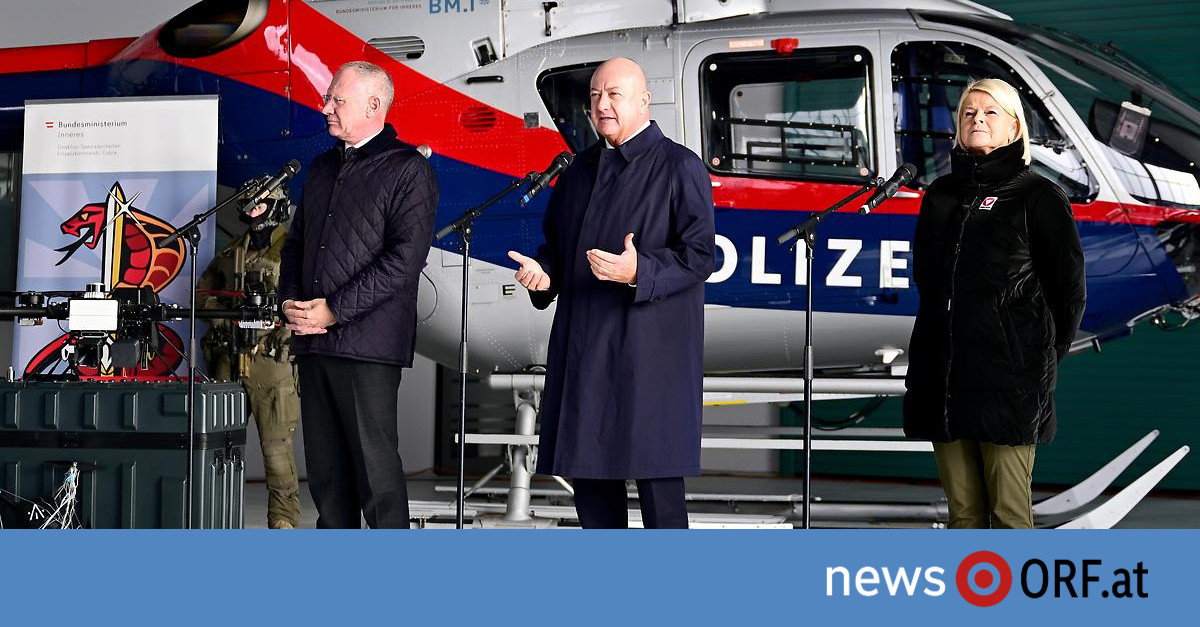
The government presented on 24 November 2026 a 28-page plan covering prevention, regulation, detection, situational awareness, protection and response, according to ORF.at’s presentation of the strategy. The announcement was made at Cobra headquarters in Wiener Neustadt by Interior Minister Gerhard Karner, Defence Minister Klaudia Tanner and Chancellor Christian Stocker.
A “Drohnenlagezentrum” is being set up at the Interior Ministry. It is to coordinate the Interior Ministry, the Bundesheer, the Infrastructure Ministry and operators during incidents. The situational pictures established so far on a case-by-case basis, especially before events, are to become an interministerial and comprehensive picture.
An interministerial counter-drone defence exercise is planned this year, and the working group’s final report is expected before the end of the year, according to news.at’s account. State Secretary Jörg Leichtfried classed drones among the tools of espionage, disinformation, sabotage and terrorism, which makes access to advance warning decisive for the Staatsschutz.
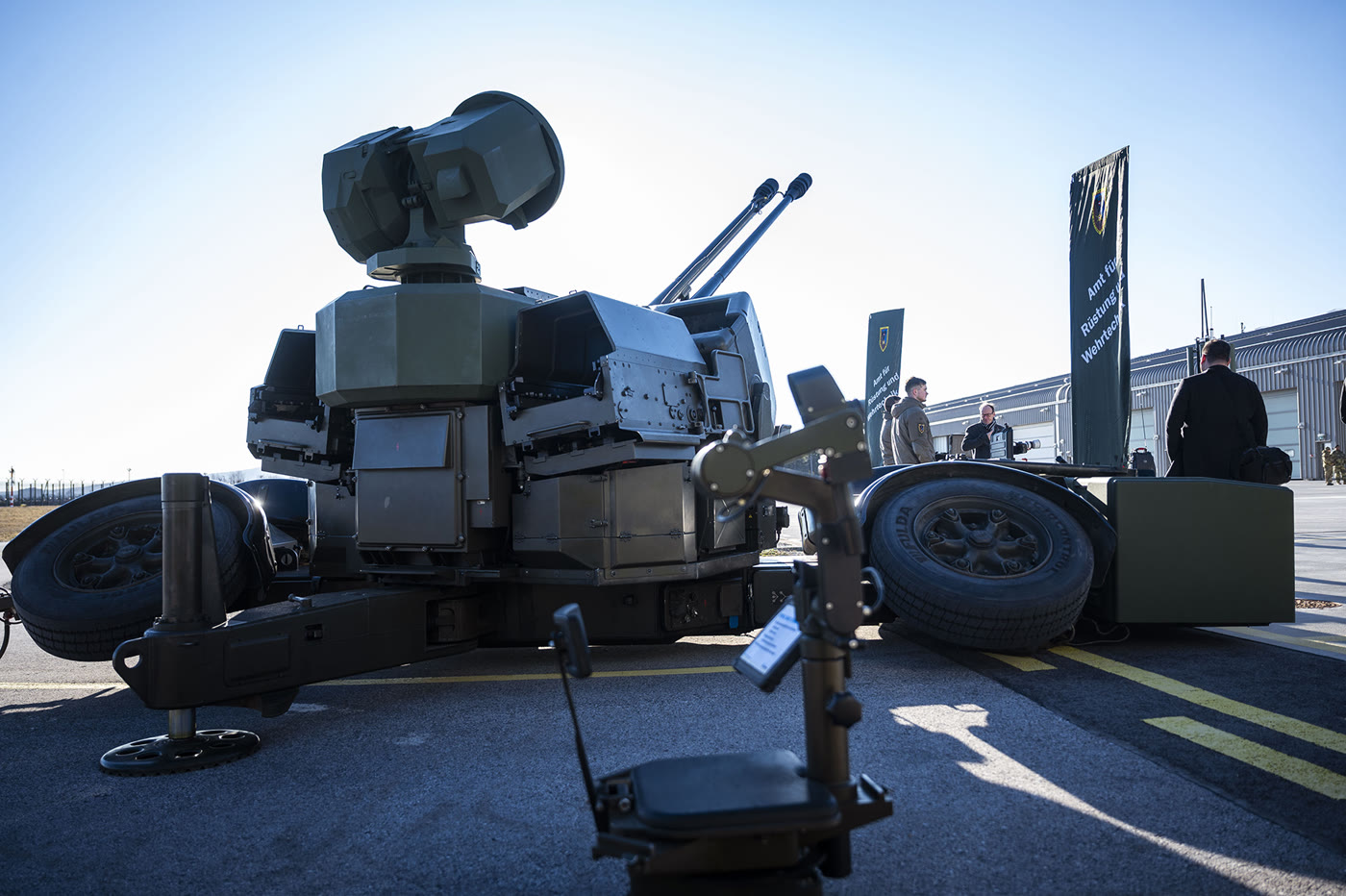
Cobra’s figures give the measure of the workload: 53 requests in 2023, 60 in 2024, 70 in 2025 and 80 in the current year. From 2027, the directorate of the police’s special units will have two “hochmoderne und teilmobile” counter-drone systems to respond quickly to changes in the threat.
The Bundesheer’s ÖBH 2032+ plan is to provide the capability to defend against non-cooperative aircraft through the expansion of ground-based air defence; on costs, Tanner referred back to that same plan.
The operators concerned and the timetable for the amendment
The announced scope is that of critical infrastructure operators, with large energy companies given as an example. A law on the resilience of critical entities, adopted last year, has already set binding standards for the protection of these installations.
Active detection and defence, for their part, fall under the amendment to the Telekommunikationsgesetz, prepared with the Infrastructure Ministry and the Economy Ministry.
The timetable has shifted within two months. In September 2026, Karner announced a change to the text for the current year. At the end of November, consultations were still ongoing within the federal government and Economy Minister Wolfgang Hattmannsdorfer announced adoption for the following year, i.e.
2027. The police’s two counter-drone systems are expected in the same year.
The points the amendment still has to settle
The text has not been adopted. Three elements are not settled: the list of authorised operators, the precise conditions for intervention, in particular the threat threshold and the engagement procedure, and liability in the event of damage caused to a third-party aircraft or to the operation deploying it.
The exact role of the Drohnenlagezentrum in an interception carried out by a private company also remains to be defined.
The final report of the interministerial working group is to be submitted before the end of the year.
← Back to home · Search · Suggest a topic · Lire en français / Read in French