
Regulation — EU
Washington proposes 10% additional duties on Chinese drones
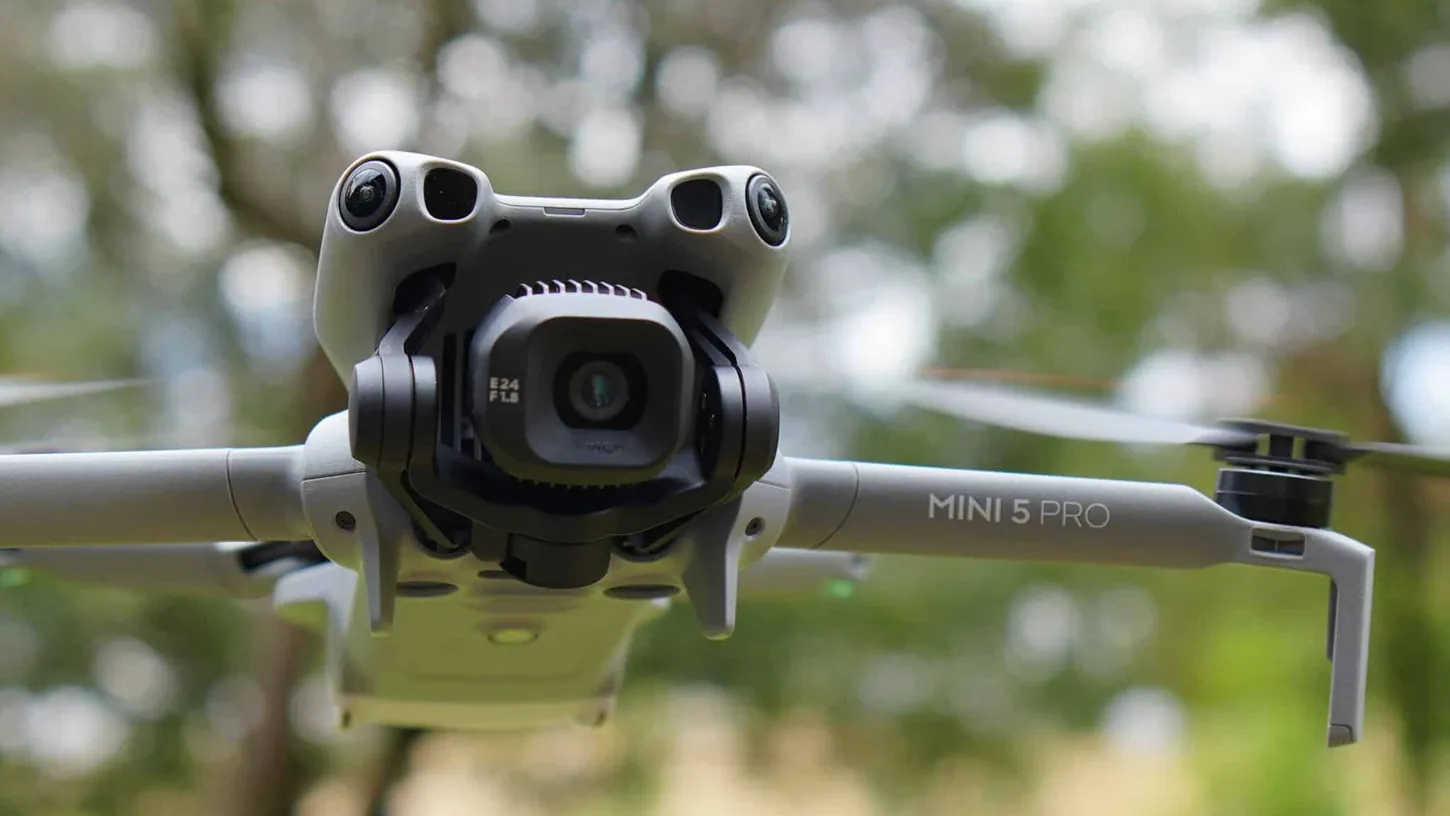
The new US tariff plan adds up to 10% in customs duties on Chinese civil drones and their parts, on import into the United States. The notice was published on 25 November by the Office of the United States Trade Representative (USTR), at the same time as the notices targeting thirteen other economies.
A further tenth stacked on duties already paid
Annex A of the notice devoted to China covers all unmanned aircraft codes (HTS 8806) and parts codes (8807), with a proposed ceiling of 10%. The classification is limited to civil aircraft, defined as all aircraft other than military aircraft meeting general note 6 of the customs tariff.
The notice proposes up to 20% on the rest of Chinese goods, a rate tied to the Kuala Lumpur arrangement concluded on 30 October 2025 between Donald Trump and Xi Jinping. If talks with Beijing do not succeed, the USTR announces up to 40% on all Chinese goods, including drones.
Trade Representative Jamieson Greer describes the approach as “targeted”, according to the New York Times relayed by DroneXL.
Each Chinese rate is calculated net of the 12.5% duty linked to forced labour that came into force on 24 July. That action exempts civil aircraft under the same general note 6: an eligible drone has paid none of it and would take the full 10 points.
US Customs and Border Protection (CBP) decides eligibility, and the notices do not name any consumer camera drone. On paper, an eligible Chinese civil drone would go from 50% to 60% of the import value, and a thermal drone falling under the 100% section 232 tier would reach 135%.
The sequence goes back to an eight-month investigation into the unfair trade practices of 14 economies, conducted under section 301 of the Trade Act of 1974, after the Supreme Court struck down duties in February, according to Fox Business.
European Union civil drones appear on the exemption annex
Civil drones and parts produced in the European Union, Japan, South Korea, Taiwan and Vietnam appear on the exemption annex of each national notice. The European Union nevertheless bears a general rate of 15%, Taiwan up to 15% and Vietnam up to 35%.
The exemption applies to the drone tariff line, not to the origin of the company marketing it.
The small brushless motors fitted to a camera drone are not on the reduced list and remain exposed to the standard duty rate. For an assembler, the components line weighs as much as the finished drone line: the metric screw bottleneck identified by Accu Components among US manufacturers shows this.
A drone bought and operated in Europe does not clear customs
A device bought and operated in Europe does not cross US customs. The 10% applies neither to the value of a drone already in a fleet on European territory nor to flights carried out from a European aerodrome.
The effect arrives through replacement prices on the US side and through the position of European manufacturers on export, which escape the new duty when a Chinese competitor would pay 10 points more.
The basis of the existing duty remains the proclamation signed on 13 August 2026, which imposes an ad valorem duty of 100% on drones of a certain size or capacity, their docking stations and certain critical components, as detailed in the White House fact sheet.
The 25% and 100% section 232 duties have applied since 3 September.
Access to the US market also remains constrained for foreign models: the 22 December decision by the FCC on the Covered List still blocks the certification of new foreign models, and the exemptions granted to 23 manufacturers in exchange for factories located in the United States point to an exit through an industrial footprint.
A lower customs duty does not reopen that door.
For DJI, the levy adds to an already heavy US file, where the bipartisan congressional report on links with PLA swarms fuels use restrictions. The duty hits the importer, not the manufacturer, which shifts the question to the final sale price in the United States.
The final rate and customs eligibility remain to be set
Nothing is final. Written comments and requests to testify are due on 5 January 2027, and the USTR section 301 committee opens public hearings on 25 January. The 10% remains a proposed ceiling, with no published schedule.
Two points condition any estimate: the exact scope CBP will retain for camera drones, which the notices do not address by name, and the retail price, which neither party has announced. Import volumes since the September duties came into force are not documented either.
← Back to home · Search · Suggest a topic · Lire en français / Read in French