
Regulation — International
Purdue escorts first BVLOS flight in Indiana corridor with manned aircraft
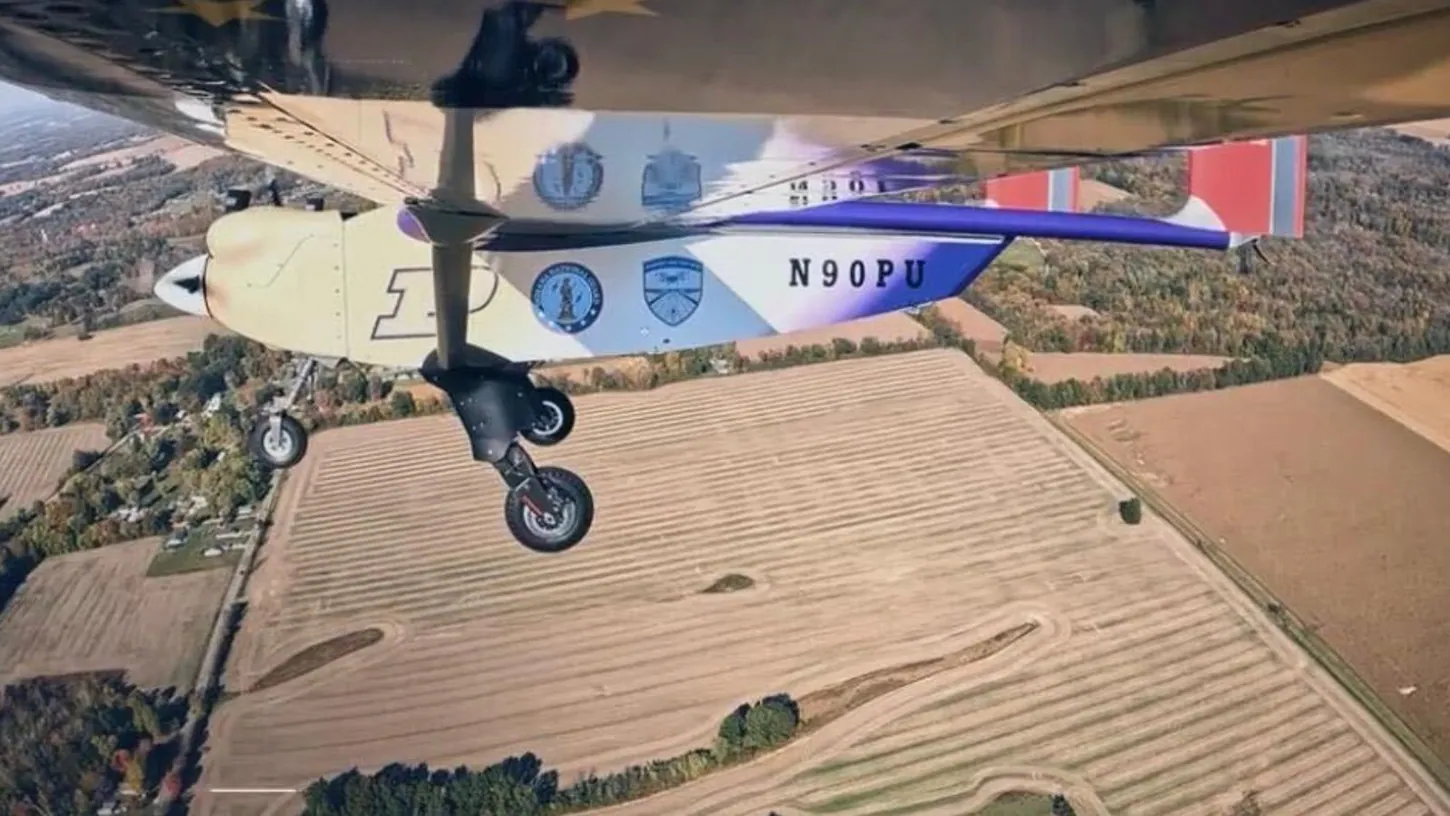
A crewed aircraft escorted the ULTRA on 29 October
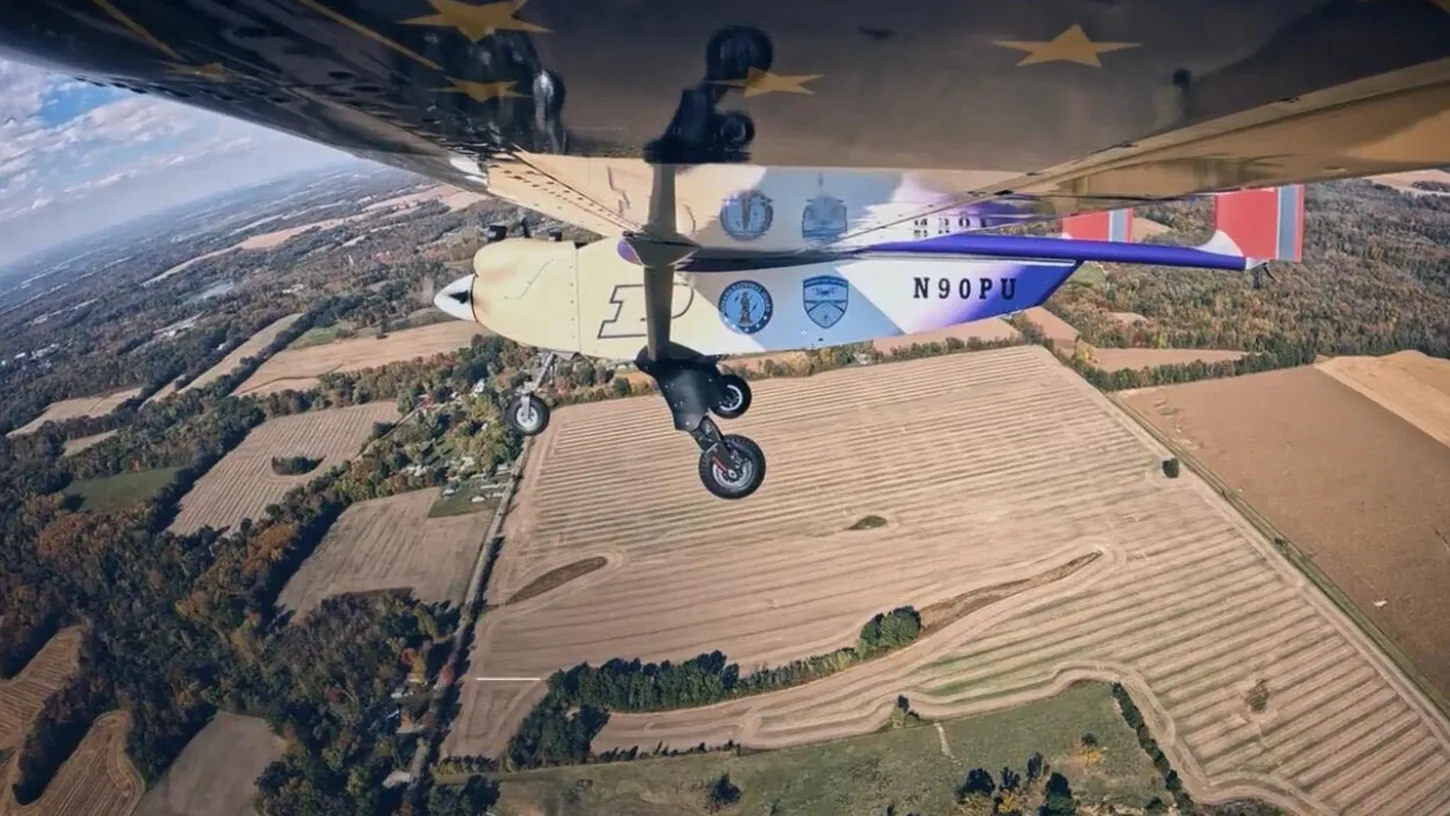
Brian Dillman heads Purdue's School of Aviation and Transportation Technology. He piloted the chase aircraft himself, which followed the Windracers ULTRA during the demonstration on 29 October. Purdue published this detail on 16 November, in addition to the announcement of the flight.
The escort had two missions: to ensure the drone's safety and to keep it away from aircraft not involved in the event.
The second is the hard constraint. US federal rules require anyone piloting an aircraft to see and avoid other aircraft. A drone has no one on board to look outside. A pilot flying alongside fulfils this obligation, a longstanding method for filling this gap.
The flight opened the Midwest UAS Test Site of Indiana, one of two sites designated in January by the FAA, bringing the network to nine after nearly ten years without an addition.
The inauguration was held at Terre Haute Regional Airport.
Governor Mike Braun, Senator Todd Young and Representative Mark Messmer saw the aircraft drop parachuted crates from its cargo bay, as reported in the account of the trials planned at Camp Atterbury.
The corridor is 360 km long and 24 km wide
Purdue gave the dimensions: 224 miles (360 kilometres) in length and 15 miles (24 kilometres) in width. The corridor links West Lafayette and Terre Haute to Camp Atterbury and the Muscatatuck Urban Training Center.
Camp Atterbury provides more than 34,000 acres and restricted airspace up to 40,000 feet (12,192 metres).
The site built the corridor with Purdue, the Indiana National Guard and the Naval Surface Warfare Center Crane. It opens three types of airspace: restricted military, special use and general use.
The design was developed with the FAA and the Federal Communications Commission. The test site's website refers to a corridor of "more than 225 miles" with "preliminary approval" and describes it as under development, subject to regulatory authorisation.
The inaugural flight covered more than 50 miles (80 kilometres), about a quarter of the length. The FAA has also issued other BVLOS authorisations in the United States on separate cases, including the one linking a Shell platform in Louisiana.
The authorisation used was not specified
Neither Purdue's press release nor Windracers' states which FAA authorisation covered the flight, as the 17 November publication on the escort notes. The FAA has not published Part 108, the rule that would make BVLOS routine.
The White House regulatory office still lists the final rule as pending review since 10 July, that is 130 days. Federal law sets the deadline at 7 December.
The role of the chase aircraft therefore remains to be documented on the administration's side. A drone and crewed aircraft pair, separation maintained by a pilot on board and 80 kilometres flown constitute a demonstration case.
The FAA is working in parallel on other traffic oversight mechanisms, including a Part 146 for drone traffic without controllers.
What the agency will accept as sufficient evidence for recurring authorisations over 360 kilometres has not been publicly settled.
The ULTRA, a cargo drone proven in Ukraine
Windracers is British. The aircraft has been flying in Ukraine since 2023, and the manufacturer was selected in April among three main suppliers in the UK's £752 million package for Ukraine.
Purdue owns the one from 29 October, registered N90PU: aluminium fuselage, 33-foot (10-metre) wingspan, three-bay cargo floor.
The current Mk2 carries 441 pounds (200 kilograms) over 1,242 miles (2,000 kilometres), a range announced by Windracers in January. The Indiana flight is the ULTRA's second BVLOS flight in the United States.
The first covered about 1,000 kilometres (621 miles) from Nenana, Alaska, on 19 August, with anti-doping blood samples for the International Testing Agency.
Windracers announces that the aircraft will be tested to drop emergency supplies to Indiana communities affected by seasonal flooding. Dale Lyles, the site director, told WTHI that the site is a partner of the Indiana National Guard and will use the special-use airspace above Camp Atterbury for "kinetic testing and anti-drone testing".
← Back to home · Search · Suggest a topic · Lire en français / Read in French