
Regulation — EU
The drone sector meets in Brussels on 9 and 10 November
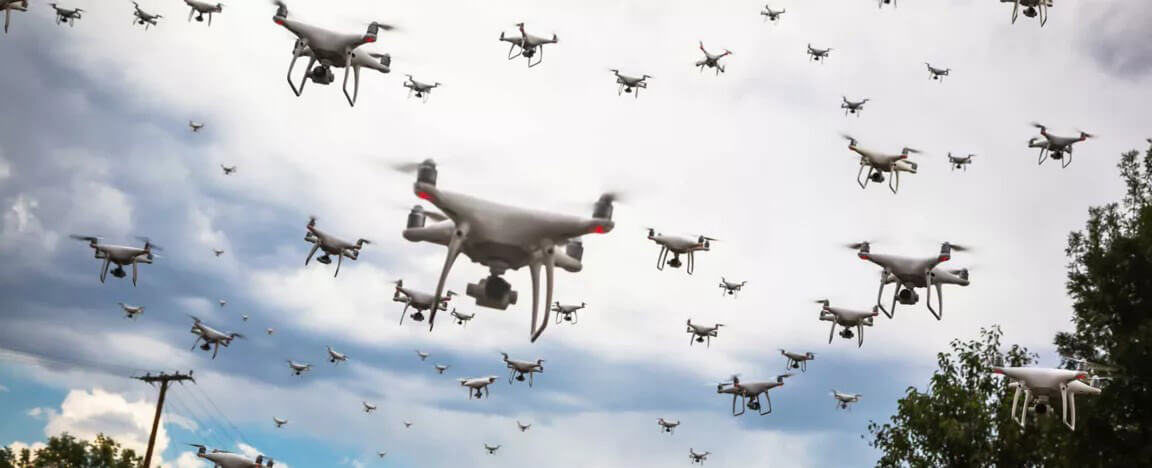
What the revision must change for operators
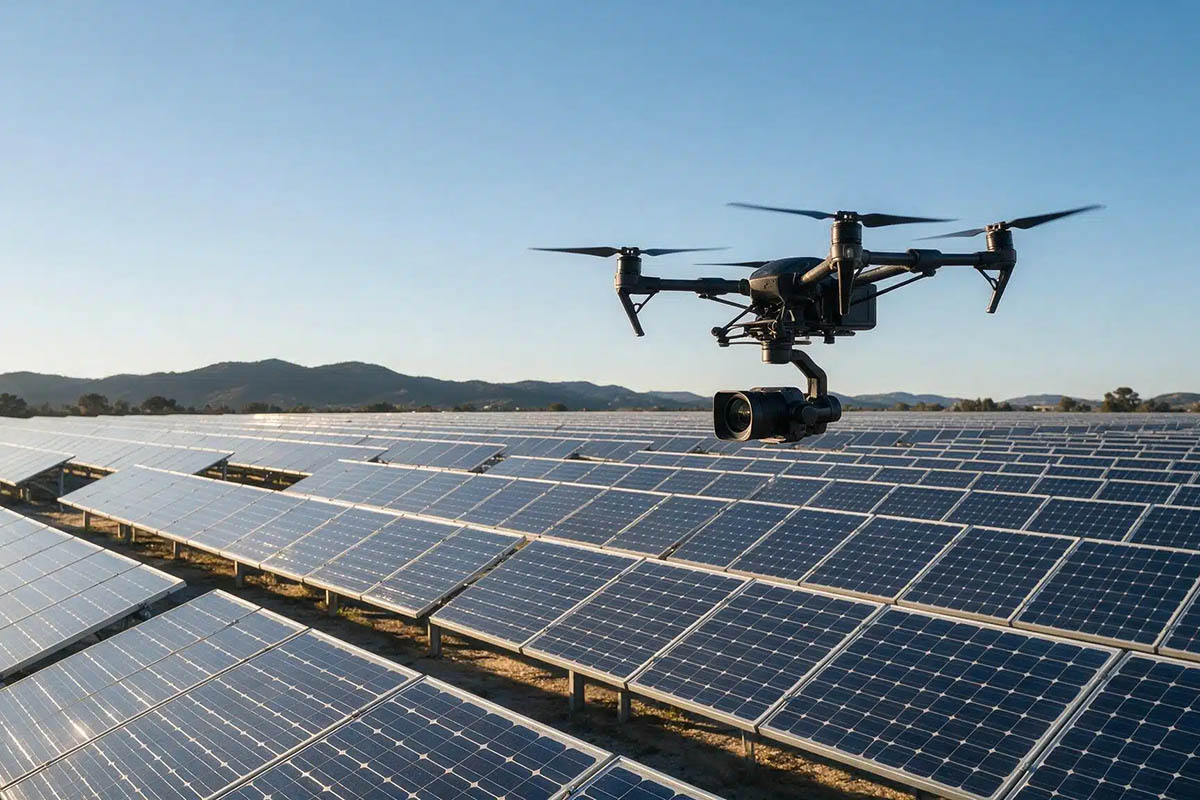
The sector is calling for faster authorisations, fewer obstacles to working in several Member States and a higher volume of commercial operations. It is not asking for additional regulation. The Drone Strategy 2.0 was adopted in November 2022.
Four years later, institutions and industry are examining whether the guidelines set at the time still match the state of the market and the applications that have emerged since.
ECUAS Drones, the sector association in Spain, supports this position. It plans to take it to the European institutions through JEDA (Joint European Drone Associations), on the occasion of the European Drone Summit 2026, held on 9 and 10 November in Brussels.
The stated objective of the European industry is five million commercial operations per day in 2030.
Two days in Brussels, a still incomplete programme
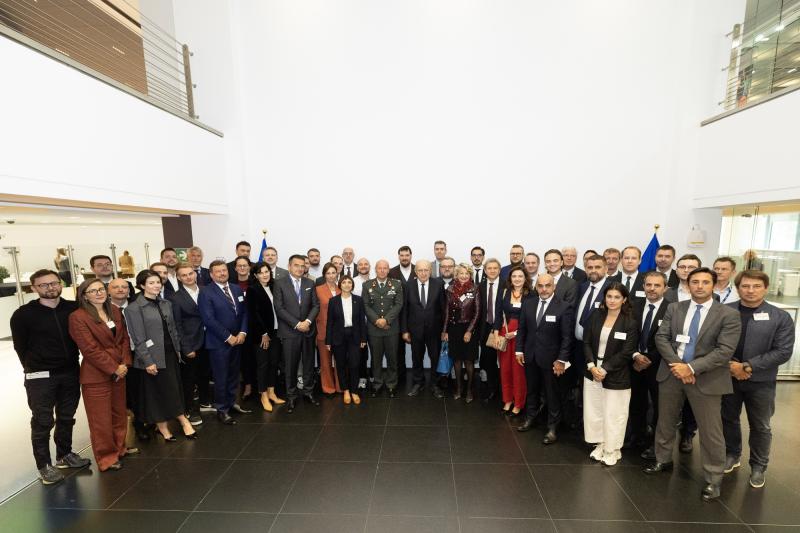
The meeting brings together representatives of the European institutions, Member States, manufacturers, operators, regulators and the research community. Discussions will cover drones and electric vertical take-off and landing (eVTOL) aircraft, with the theme of the next stage for a European market described as competitive, innovative and safe.
At the date of publication of the announcement, 17 July 2026, registration was not open. The programme and the list of participants were to be communicated later. No draft text accompanies the notice.
The Commission plans to adopt an implementation roadmap for the 2.0 strategy in 2027, after the November meeting.
Five million operations per day, with no regulatory timetable

The figure of five million commercial flights per day in 2030 serves as a compass for the sector. It implies a change of scale in flight authorisations, currently issued State by State, and in the recognition of operations from one country to another.
The requests made through JEDA target precisely this point: fewer formalities for operating in several Member States.
Nothing in the Commission's public documents links this objective to a binding timetable. The 2027 roadmap is an implementing act for the existing strategy, not a revision of the 2022 text.
The November summit will produce a stocktake and guidelines, without a quantified commitment on the number of authorised operations or on authorisation delivery times.
What is missing to make an assessment
No draft text, no decision timetable beyond the 2027 roadmap and no impact assessment have been published. How authorisation times would evolve, and on what legal basis, is not documented at this stage.
The status of registrations since July 2026 is not known.
In the same week, the Commission will host in Brussels, on 10 November, the second meeting of the Council of the EU-Ukraine Drone Alliance. The alliance has 18 founding companies, nine from the Union and nine from Ukraine, selected from nearly 400 applications, and is preparing to set up working groups, with the next Council meeting expected in early 2027.
This defence track, separate from the civil strategy, does not resolve the authorisation questions that concern European professional operators.
← Back to home · Search · Suggest a topic · Lire en français / Read in French