
Regulation — EU
FAA proposes Part 146 for drone traffic without controllers
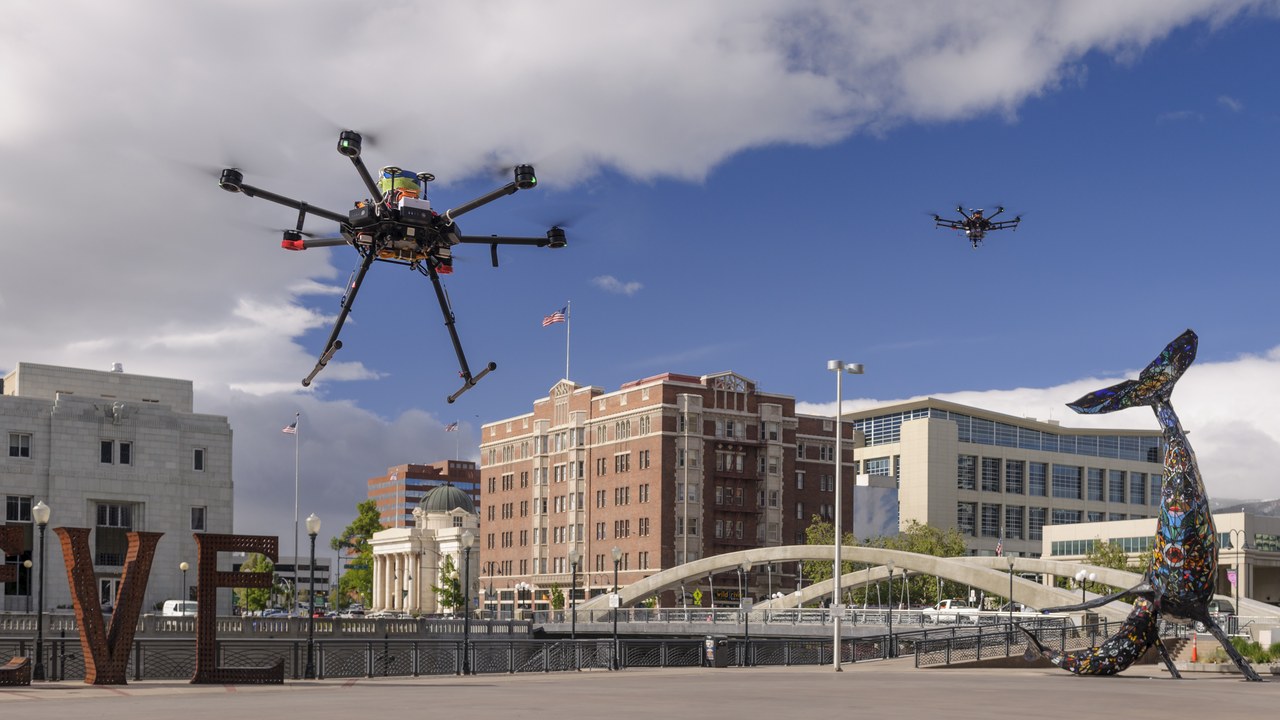
NASA tested drone traffic without a controller from 2015 to 2019
Under the UTM principle, low-altitude drone traffic coordinates between machines, without an air traffic controller. NASA put it to the test in four levels of testing between 2015 and 2019. TCL3, in spring 2018, covered the spacing of drones above moderately populated areas.
TCL4, from May to August 2019, transposed the system into a city, in Reno, Nevada. The research programme ended in May 2021.
The FAA took over the system. The Operational Evaluation of the system has been running since 2023. On 7 August 2025, the agency published a notice of proposed rulemaking proposing a Part 108 for routine BVLOS flights and, in the same text, a Part 146 for Automated Data Service Providers.
No final rule exists to date.
In Europe, the regulatory framework precedes the American rule. Regulations (EU) 2021/664 to 2021/666, which structure the U-space, have been in force since January 2021.
What API-based coordination changes compared with voice control
Previously, a controller looks at a radar screen, talks to each pilot and gives instructions to separate the aircraft. This system works for airliners.
It does not scale to tens or hundreds of drones flying low in the same neighbourhood, with short and frequent rotations. The FAA considers inherited tools, such as filing and reading NOTAMs, poorly suited to automated operations flying close together and at a high rate.
Afterwards, coordination relies on a distributed network of highly automated systems connected by programming interfaces, without voice exchange between pilots and controllers. An operator connects to a UAS Service Supplier, which shares its data with the other suppliers.
Network components handle discovery and synchronisation between them, and Supplemental Data Service Providers inject weather, terrain or obstacles.
The FAA calls this network federated and clarifies the meaning of the word: "Federated means cooperative, not federal government." The details of the mechanism are set out in the description of the UTM network and Part 146.
The central service remains strategic conflict resolution. Overlapping flight intents are arbitrated before take-off, not in flight. The operator remains responsible for safety within the constraints it receives and does not benefit from what the FAA calls positive air traffic control services.
OneSky, a UTM service provider, describes its role as that of a data broker between the drone and air traffic management: it passes the ANSP's data to the operator and has its flight plan authorised.
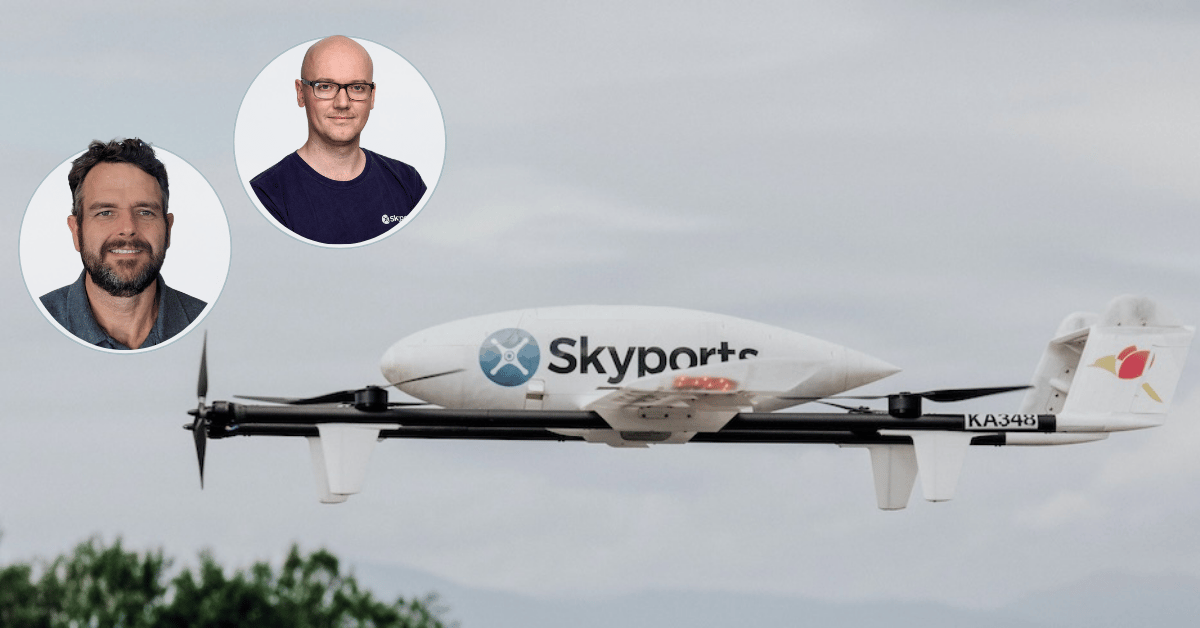
The gap with practice can be measured in Singapore. Skyports Drone Services still shares its flight plans informally with the other operators every day. Jef Geudens, its chief technology officer, sets the target at 10 or 20 aircraft tracked per pilot, which presupposes fully automated deconfliction.
The automation of deconfliction according to Skyports details this tipping point.
The BVLOS operators and service providers concerned
In the United States, operators' access to routine BVLOS flights depends on Part 108, which is still at the proposal stage. The companies that provide automated coordination data depend on Part 146, proposed on the same day.
No final text has been published since the August 2025 notice.
In Europe, the framework has applied since January 2021. An operator flying in U-space airspace goes through the digital services defined by Regulations 2021/664 to 2021/666: identification, geofencing, flight authorisation.
The fifth edition of the U-space ConOps, published by SESAR's CORUS Five project, describes how these services are organised.
Trials are preparing coexistence between operators. In the United Kingdom, ANRA, Wing, Manna and firefighters tested airspace shared between several operators.
The relationship with air traffic control services remains open
The FAA describes UTM as separate from air traffic services, and complementary. OneSky treats it as an interface: the ANSP's authoritative data flows down to the operators, and the flight plan goes up for authorisation.
This broker role settles the flow of information, not the allocation of responsibilities between a private provider and a control organisation.
The certification criteria for automated data service providers remain to be written, and the Operational Evaluation has been continuing since 2023. In the United States, one-off authorisations are taking over, such as the BVLOS authorisation granted to Skyways in Louisiana to link a Shell facility.
A Hungarian team published in July 2024 in Swarm Intelligence a decentralised algorithm tested in simulation with up to 5,000 agents, then in flight with 100 drones coordinated in a circular area 250 metres wide.
The results of this decentralised traffic management are valid for a demonstrator, not for an entire conurbation.
← Back to home · Search · Suggest a topic · Lire en français / Read in French