
Regulation — EU
Commission adds two CEN standards to the harmonised list of drones
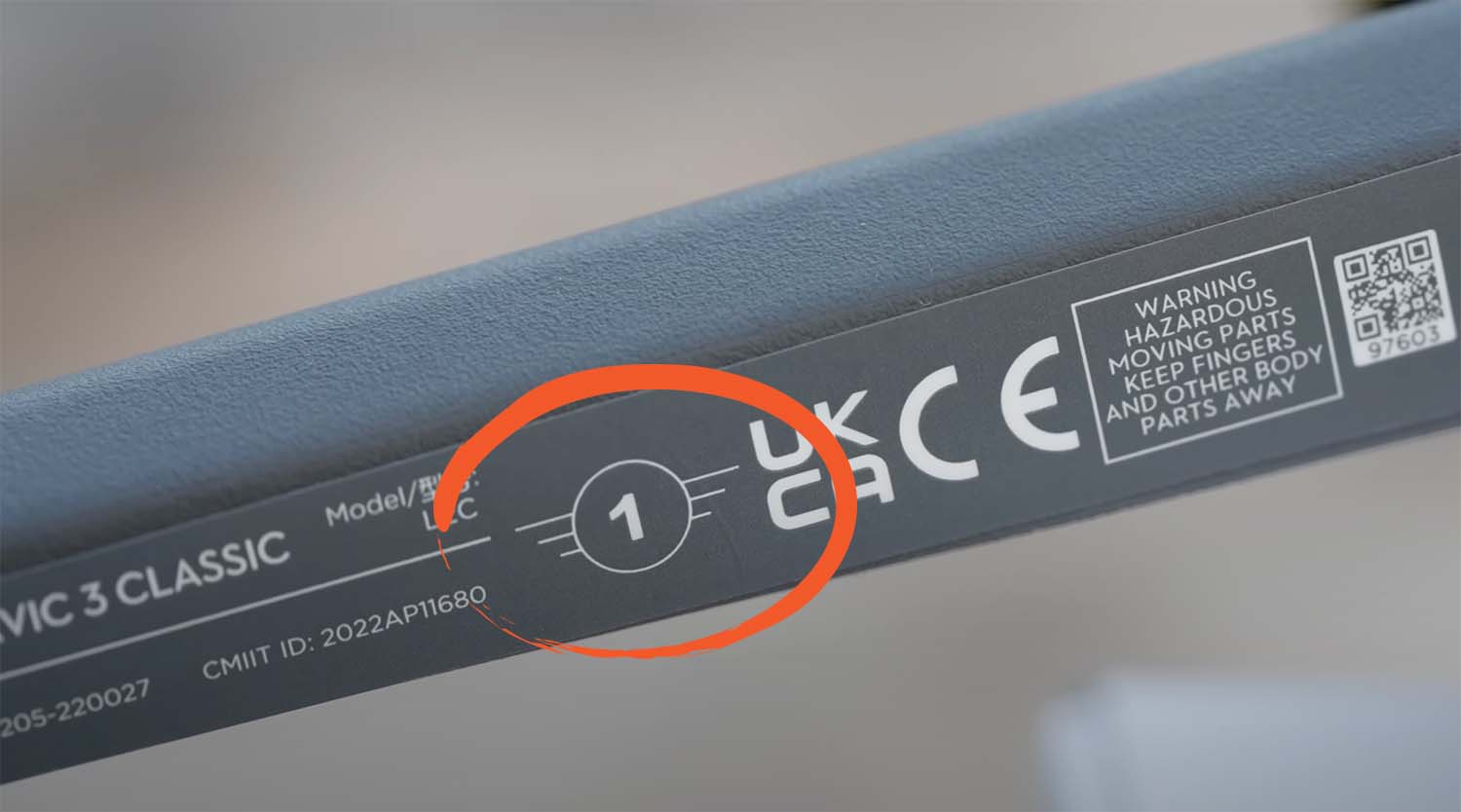
The scope of the two recognised standards
Commission Implementing Decision (EU) 2026/2539, published in the Official Journal of the European Union on 18 November, adds two references from the European Committee for Standardization (CEN) to the list of harmonised standards.
The first, EN 4709-001:2026, is entitled “Aerospace series, Unmanned Aircraft Systems, Part 001: Product requirements and verification”. It covers aircraft of classes C0 to C4 intended for the open category and also addresses the electronic identification system.
The second, EN 4709-003:2026, concerns geo-awareness, that is, knowledge of the geographical situation: a function embedded in the drone that alerts to prohibited or restricted zones. Both texts serve to demonstrate conformity with Delegated Regulation (EU) 2019/945, which sets out the technical requirements applicable to drones placed on the European market.
The tests described in EN 4709-001
EN 4709-001 describes the requirements and how to demonstrate conformity: performance criteria, test methods, pass or fail criteria. The areas covered range from the physical and mechanical properties of the aircraft to fire resistance and flammability, including electrical characteristics, functional safety and design measures intended to reduce the risk of injury.
Moving propellers and sharp edges are among the risks to be assessed. The text also covers manufacturer instructions, maintenance and lifecycle management. It applies to aircraft in the open category, not to those designed exclusively for the specific or certified categories.
The specific limitations of the two standards
EN 4709-003 does not prescribe any particular technical implementation: several architectures can satisfy the standard. Conformity with EN 4709-003 does not automatically give access to up-to-date geographical information for each European country; the provision of data remains a separate issue.
The detection of unwanted drones falls under other work, such as the trials conducted in Rotterdam before a national deployment.
EN 4709-001 is limited to aircraft using electrochemical energy sources; other hazards fall outside its scope. Two other standards in the same series, EN 4709-005:2026 on the method for verifying geocaging and EN 4709-006:2026 on means of terminating flight, do not yet benefit from the same presumption of conformity.
No independent testing of the two standards is public at this stage.
The presumption of conformity and documentary work
Complying with the new standards gives rise to a presumption of conformity with the corresponding requirements of Regulation 2019/945. The use of a harmonised standard remains optional. A manufacturer may demonstrate conformity by other means; the standard offers a defined and legally recognised route.
For an industrialist selling in several Member States, the single European reference framework replaces divergent national interpretations. The principle of a common technical framework does not resolve disagreements over the European content of labels, which UAV DACH considers too weak in the ETDL project.
Manufacturers and importers review their documentation
The decision does not create any new obligation for remote pilots. It shifts the work to manufacturers and importers, who must review their presumption of conformity file and their technical documentation if they rely on these standards.
The date of application and the transitional arrangements for fleets already in service are not specified. An operator buying new equipment must ask the supplier on what basis conformity is declared, and whether the reference invoked is indeed one of the two standards listed in the Official Journal of 18 November.
← Back to home · Search · Suggest a topic · Lire en français / Read in French