
Regulation — IT
Italy opens up large agricultural drones up to 5 metres in size
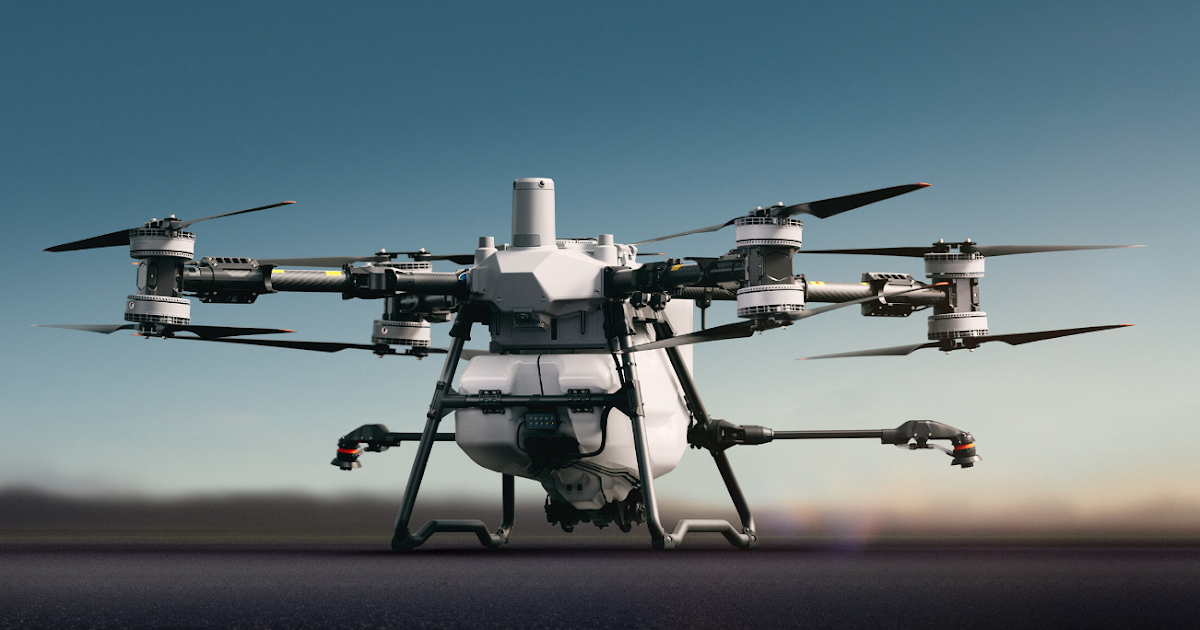
The scope of the AltMoC: 5 metres, three sectors, Italy
The Ente nazionale per l'aviazione civile (ENAC) published AltMoC IT-UAS-2026-002 on 14 August 2026, an alternative means of compliance that opens the simplified procedure of the specific category to UAS whose characteristic dimension reaches 5 metres.
The ceiling of PDRA-S01, used until now for agricultural operations, was 3 metres.
The measure follows the rule restated in decision 2025-018: maximum distance between the tips of opposite rotors, propellers fully deployed. The DJI Agras T50, T70 and T100 exceed this threshold and therefore fell under the full operational authorisation process, with SORA analysis, costs and lead times incompatible with the operation of a single plot.
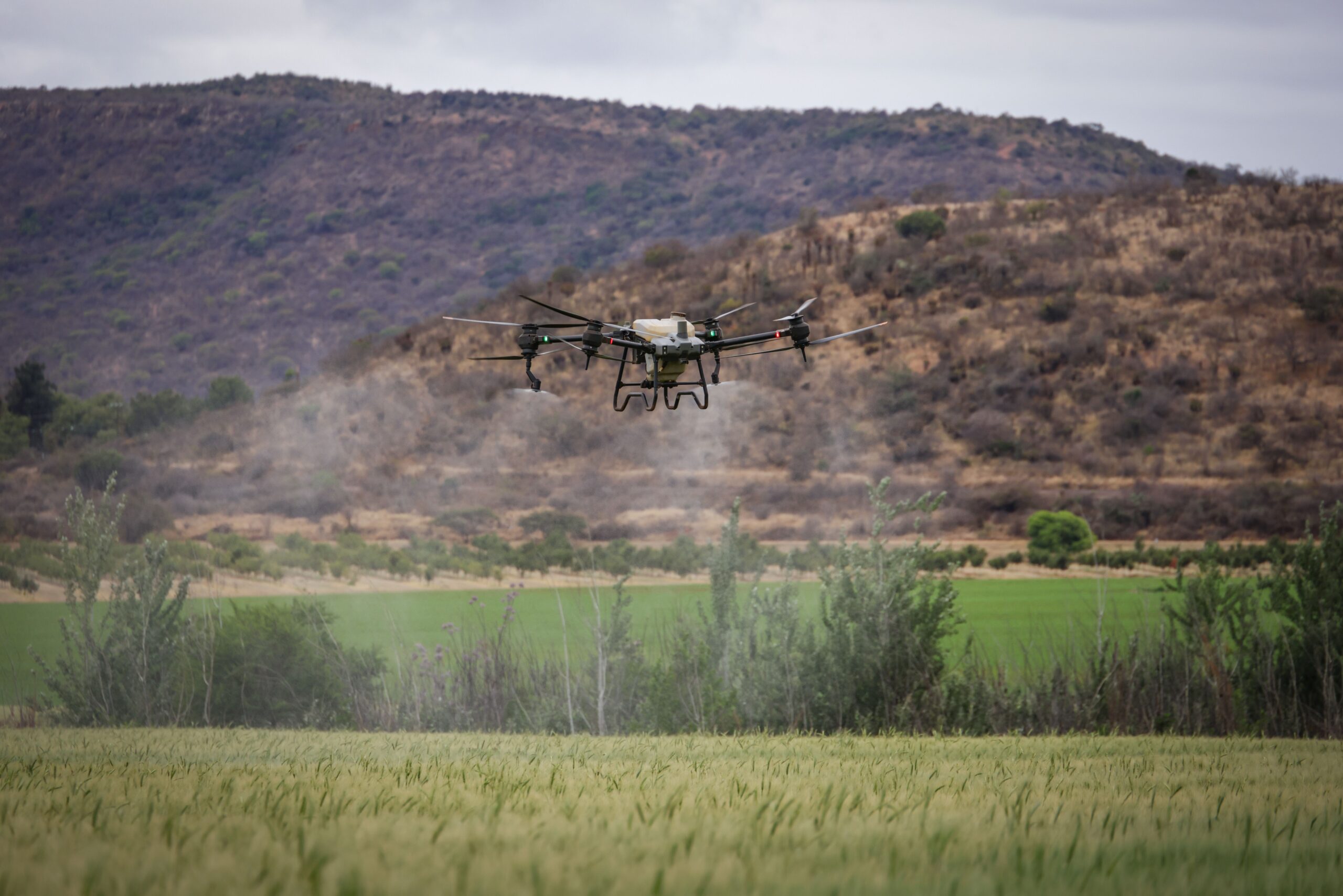
The text applies only to Italy and to three sectors: agriculture, horticulture and forestry. Operations must be conducted in VLOS, over a controlled ground area free of uninvolved persons, in a sparsely populated environment, which the document defines by the threshold of 500 inhabitants per square kilometre.
Height is capped at 20 metres above the ground, or 20 metres above the natural or artificial obstacle, and speed at 5 m/s. Direct remote identification and a flight termination system are required.
The risk level remains SAIL II with a residual ARC-b. Point 6.1 of the document permits thermal and hybrid power systems, provided that the operator guarantees the minimisation of the aircraft's environmental impact.
This opening is aimed at machines that need continuous endurance, beyond the reach of battery packs alone.
The approach: a national PDRA, a compliance list, a standard manual
The AltMoC does not extend PDRA-S01. It establishes a national PDRA specific to agricultural, horticultural and forestry operations, with its own conditions. ENAC makes available a predefined risk assessment, a compliance list and a model operations manual.
The authorisation procedure remains necessary; it is its complexity that is reduced.
On the remote pilot side, four requirements are binding: the theoretical and practical certificate at STS-01 level, a certificate of completion of a crew resource management (CRM) course delivered by an entity recognised by ENAC, the ability to manage aeronautical communications, and additional theoretical and practical training provided by the operator itself.
The economic calculation shifts. The price of the machine is no longer the only investment criterion for a farm or a contractor: the time before effective deployment weighs directly on the return on the purchase, and it is this time that the Italian arrangement compresses.
Entry into force, verification and the European workstream
The text is dated 14 August 2026 and has applied since its publication. The elements gathered here are up to date as of 30 October 2026.
At Union level, EASA has formalised its Opinion No 06/2026, with Annexes I and II, final act transmitted to Brussels, which rewrites parts of Regulations (EU) 2019/947 and 2019/945.
Italy is therefore moving ahead on a national basis, before the arrival of a European standard scenario dedicated to agricultural operations, which is not yet operational.
What remains prohibited and what a flight outside the framework entails
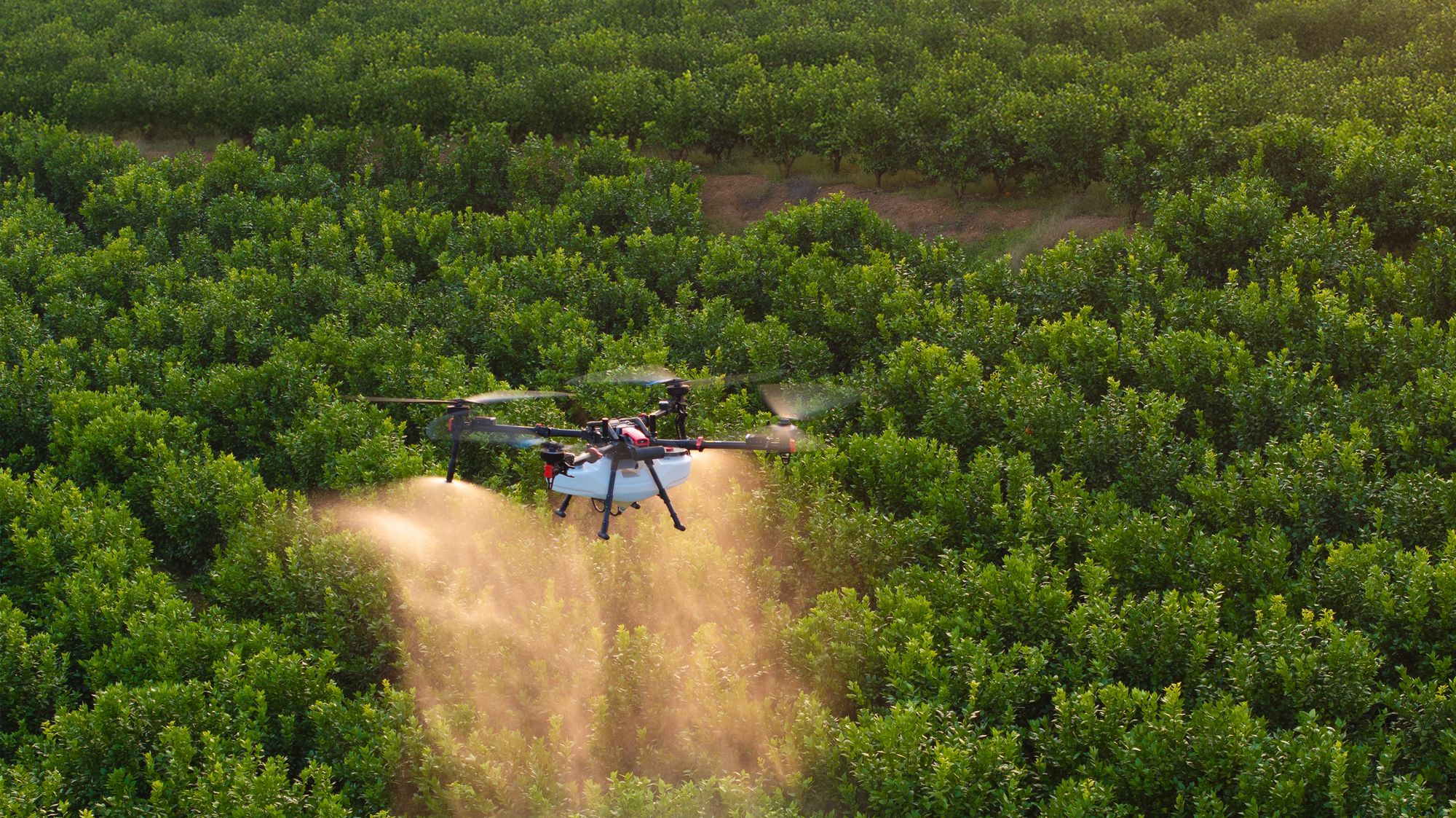
The authorisation covers the flight, not the spraying. Aerial application of plant protection products remains prohibited as a general rule by Article 13 of Legislative Decree 150/2012. Regions may derogate on a case-by-case basis, with a favourable opinion from the Ministry of Health and only with products authorised for aerial use.
Article 13-bis, introduced by Article 6 of Law 182/2025, opens a three-year experimental pathway from 18 December 2025, i.e. until December 2028. It remains inapplicable as long as the implementing interministerial decree has not been adopted, which was not the case as of 30 October 2026.
For an operator targeting spraying, the limit is regulatory rather than technical, and it lies outside the scope of the AltMoC.
The text does not create a penalty of its own. The consequence of a flight outside the conditions described is a return to the ordinary law of the specific category: full operational authorisation and SORA analysis, with the lead times and costs that the AltMoC was precisely intended to avoid.
← Back to home · Search · Suggest a topic · Lire en français / Read in French