
Business — EU
Drone Europe aims for five million daily flights by 2030
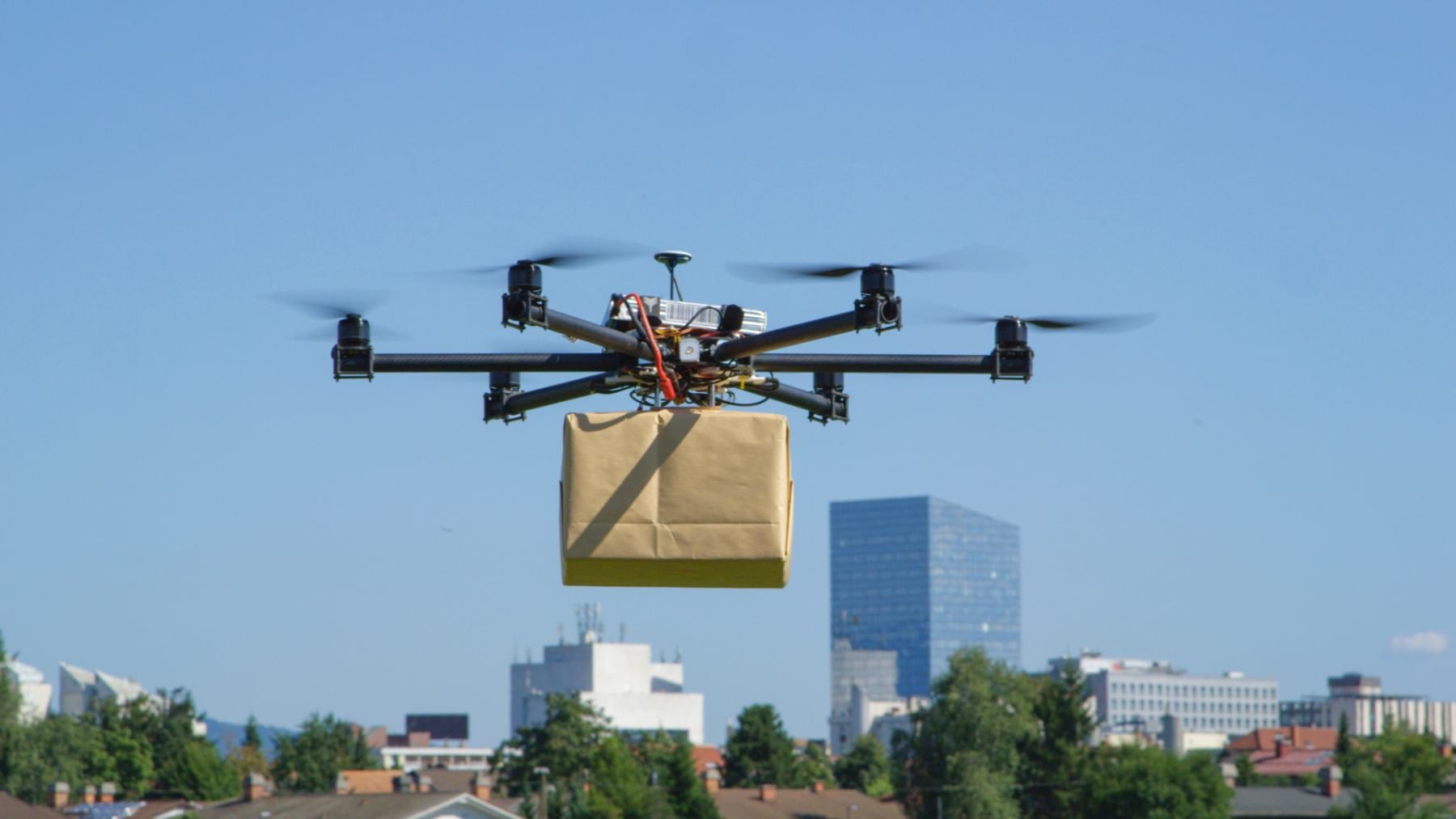
ECUAS Drones brings a target of five million daily flights to Brussels

The European drone industry has set itself a target of five million routine commercial flights per day in 2030, beyond the remote pilot's visual line of sight.
The proposal is being promoted by ECUAS Drones, the Spanish industry association, and relayed by JEDA (Joint European Drone Associations) to the European institutions, ahead of the European Drone Summit organised on 9 and 10 November in Brussels by the European Commission, with the Belgian Ministry of Transport and SESAR.
More than 300 participants are expected at Egmont Palace.
The figure rests on a shift in use. Operations beyond direct visual line of sight, known as BVLOS, allow an aircraft to fly without the pilot maintaining visual contact with it. Power line inspection, transport of medical supplies to isolated areas, fire surveillance: these missions are becoming recurring industrial services instead of isolated flights subject to specific authorisation.
Delivery follows the same trend, as illustrated by Prime Air's expansions in England, capped at 100 deliveries per day around Darlington.
The institutional reference remains the Drone Strategy 2.0, approved by Brussels in November 2022. It estimated the European market at EUR 14,500 million and 145,000 jobs in 2030. The Commission opened a public consultation this summer on its implementation.
Industry players are asking that this revision deliver faster authorisations and simpler cross-border procedures, not an additional layer of rules.
A European market estimated at between $5 billion and $7.6 billion in 2025
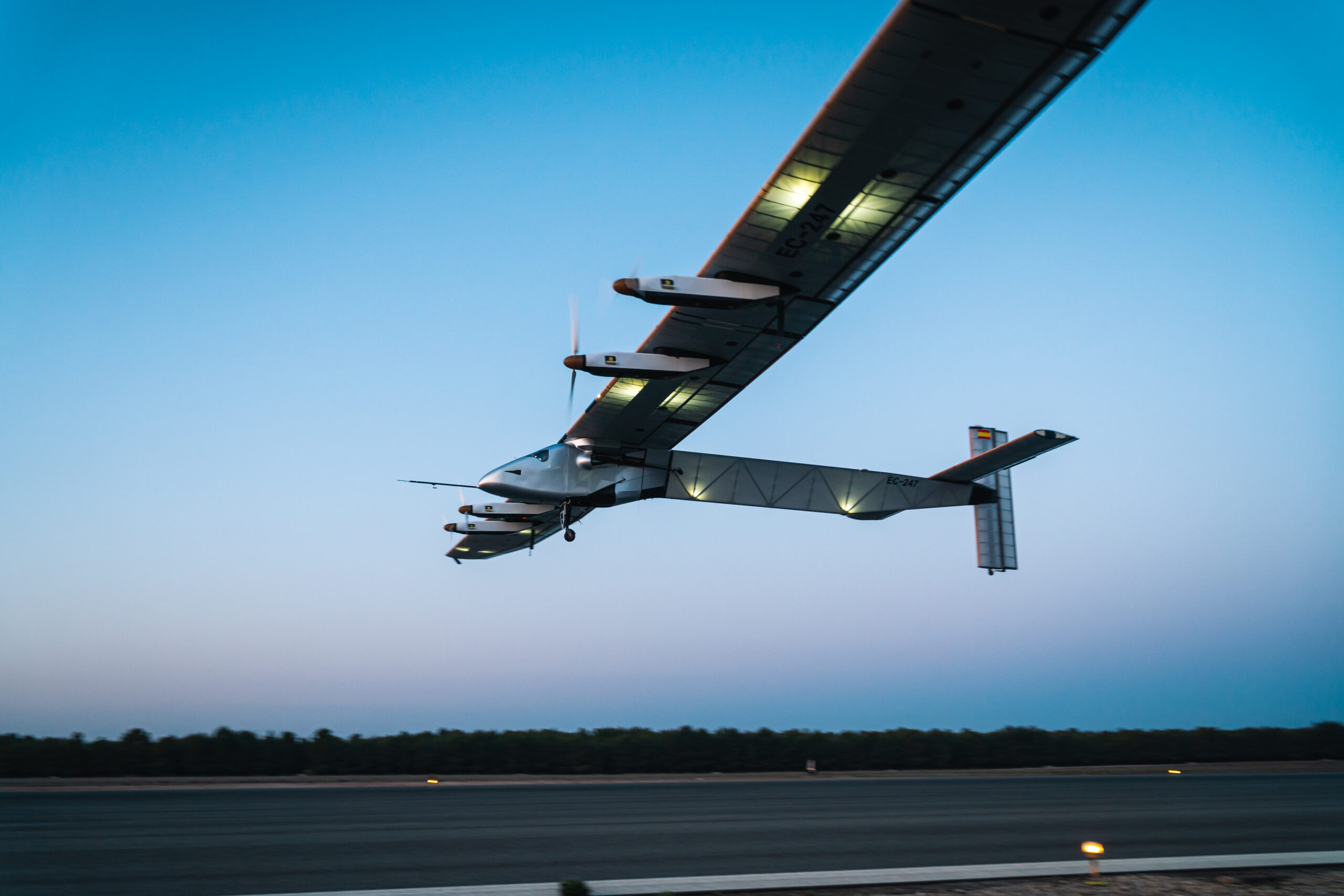
Forecasts diverge depending on the scope measured. Mordor Intelligence estimates the European commercial drone market at $7.58 billion in 2025, rising to $15.23 billion in 2031, with annual growth of 12.34%.
MarketsandMarkets uses a narrower scope: $5.00 billion in 2025, $7.98 billion in 2030, or 9.8% a year. MarketDataForecast puts the European market at $5.60 billion in 2025 and $40.25 billion in 2034, at 24.50% a year, a trajectory that reflects a broader definition including services.
Grand View Research values the European market, hardware, software and services combined, at $19.88 billion in 2025 and $40.52 billion in 2033, at 8.6% a year over 2026-2033.
Hardware remains the largest segment, while services are growing fastest. At global level, a consensus of forecasters puts growth at between 17% and 20% a year until 2030, for a market approaching $200 billion before 2035.
Europe still accounts for around 7% of the global market, with $5.6 billion in 2025 and $7 billion expected in 2026. More than 1.6 million operators are registered in the EASA Member States.
The Spanish national baseline shows the starting point: 150,332 drone operators in Spain at the end of 2025, a total up 26% in a year, with 30,620 new registrations during the year.
In the United States, the FAA counted 837,513 registered drones in November 2025, including 453,635 for commercial use, and 481,760 certified remote pilots. This US benchmark does not provide a regulatory comparison: the FAA's rules, Part 107 and Part 108 in preparation, do not apply in Europe.
Six priorities for turning the strategy into actual flights

Seven years after the European drone rules entered into force and three years after the launch of Strategy 2.0, large-scale commercial operations remain limited in Europe.
That is the assessment of JEDA and three other organisations, Alliance for New Mobility Europe, Drone Alliance Europe and Global UTM Association, in a document dated 15 October 2026.
They are asking that the six priorities sent to the Commission become the success indicators for European policy: number of flights and flight hours, deployment times, market penetration, regulatory harmonisation, and the ability of European companies to establish operations outside the continent.
The content is technical. The organisations call for deadlines on electronic conspicuity, reform of the Standardised European Rules of the Air (SERA) and common validation procedures for detect-and-avoid systems.
They want operating authorisations and U-space service provider certifications portable from one Member State to another, and an end to redundant national reassessments.
On the ground, industrialisation requires operators able to operate uncrewed fleets on site, as shown by the consolidation of CONDOR's automated drone activities around CONDOR Sky.
Current flight volume and the authorities' capacity remain unquantified
The 2030 target is not accompanied by any estimate of the current volume of daily commercial flights in Europe. The gap to be closed remains without a baseline, and the authorities' capacity to absorb five million flights per day is not settled by any industry document.
JEDA's six priorities cover airspace access, the single market, authorisations, BVLOS flights, accountability and funding. They describe operating conditions, not a binding timetable for national regulators.
The only dated event is the Brussels Summit on 9 and 10 November, where the proposal is to be taken to the European institutions. The revision of Strategy 2.0 has no announced completion date.
For an operator building a recurring flight programme, the target of five million daily flights therefore remains a growth benchmark, not an authorisation.
← Back to home · Search · Suggest a topic · Lire en français / Read in French