
Business — United States
Accu Components sees metric screws as a bottleneck for American drones
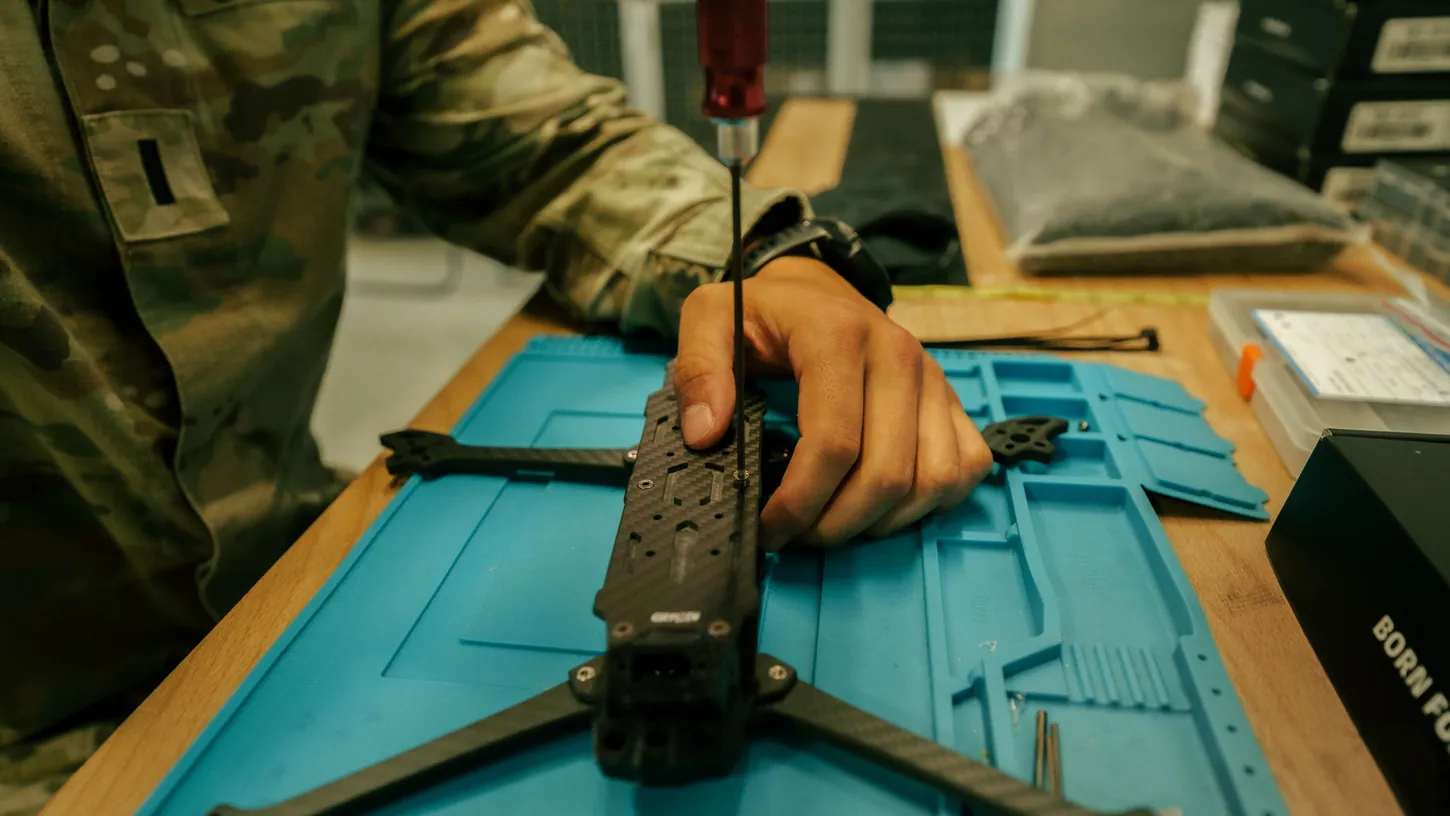
M2 to M5 screws that hold the assembled drone together
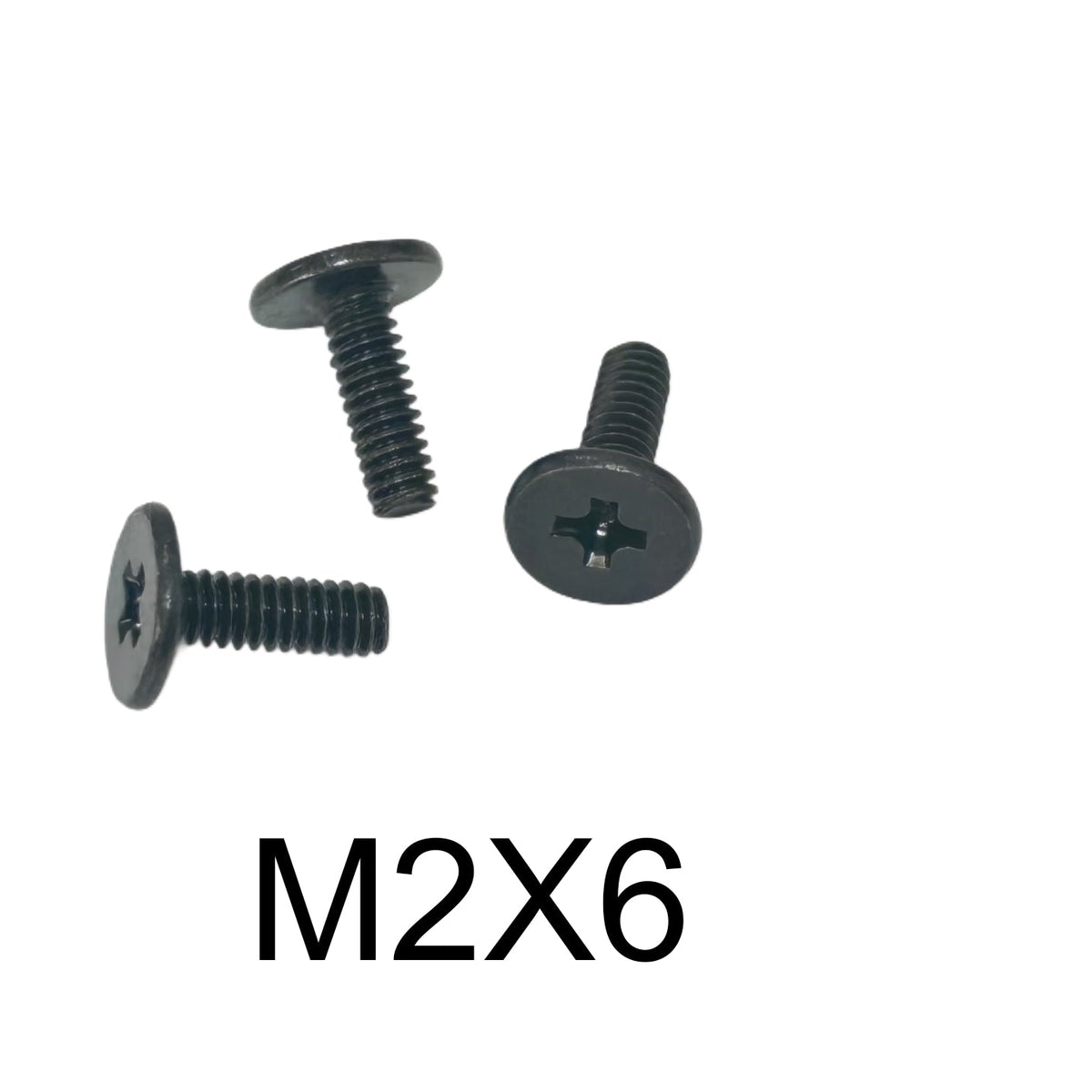
On a small drone, the motor mounts are secured with M2 and M3 screws, the frame with M4 and M5 bolts. This nomenclature comes from Patrick Faulkner, principal engineer at Accu Components, a British fasteners supplier that opened its first US warehouse in Indianapolis this year.
The part appears on no critical components list and costs little. Yet it determines the final assembly.
Accu sells the screws it describes. Its argument rests on its order book: sales to drone and uncrewed systems manufacturers more than tripled between the 2023 and 2025 financial years, according to the company.
Faulkner draws a formula from it: a missing screw stops a line just as a missing motor does. He names no manufacturer whose production was halted for lack of fasteners.
The sizes that keep coming up on FPV and mini-drones
The size families cited by Accu overlap with those in a fasteners guide published on 3 October 2026: M3 for 5- to 7-inch FPV frames, arms and 30.5 mm flight stacks; M2 for micro frames, 20 mm stacks and 1103 to 1404 motors; M1.2 to M1.4 on whoop motors, small propellers and canopies.
The drone screw size guide specifies that these correspondences are common patterns rather than rules.
Length matters more than diameter. A motor screw that is too long can touch the windings, and the guide points to checking with callipers rather than to a table per model.
No correspondence is given per drone manufacturer: sizes are described by type of part, not by machine.
Official lists do not include fasteners
On 22 December 2025, the FCC added drones produced abroad and their critical components to its Covered List. Its definition covers data links, communication systems, flight controllers, ground stations, navigation, sensors and cameras, batteries and motors.
Fasteners appear in none of these categories.
The FCC states that the 71 companies it has approved, including router and robot manufacturers, have committed to the tune of 4.4 billion dollars to produce in the United States.
By 25 August, the Pentagon had received 13,440 of the 22,320 drones in the first tranche of orders under its Drone Dominance Program, around 60%, and three of the eleven award-winning companies had delivered in full.
Inside Unmanned Systems attributes the delay to a shortage of compliant sensors, motors, batteries, chips, speed controllers and navigation systems; fasteners are not mentioned. Neros says the programme subsequently transferred 800 undelivered drones to it.
What is missing to judge, and the countermeasure proposed
Three elements would be missing to turn the alert into a documented problem: the name of a manufacturer whose line stopped, a price, and a delivery time. Accu provides neither a part reference nor a volume.
Its engineer's comment was sent to the press by the company's public relations agency on 16 November, and the second text published on the subject, dated 24 November, is a press release reproduced as it stands.
The argument remains that of a fasteners seller observing its own demand.
The countermeasure he proposes is a classic one: qualified stock near the lines, two or three approved suppliers in the United States or in allied countries, design around standard parts that several workshops can produce.
He cites Ukraine, which scaled up with many suppliers and without a single giant plant.
Ukrainian drones were almost entirely made up of Chinese parts in 2022; the Chinese share was around 38% in 2025, according to data from the Ukrainian Defence Industry Council and the Snake Island Institute reported by the Kyiv Post citing the New York Times.
In Europe, the parts question overlaps with that of financing the sector, which the European drone industry's dependence on subsidies documents elsewhere. The American debate on fasteners, however, says nothing about the stock available at European distributors or the actual lead times on an M2 or M3 reference.
← Back to home · Search · Suggest a topic · Lire en français / Read in French