
Regulation — ES
AESA grants a second SAIL III, this time to Cargo Drone Solutions
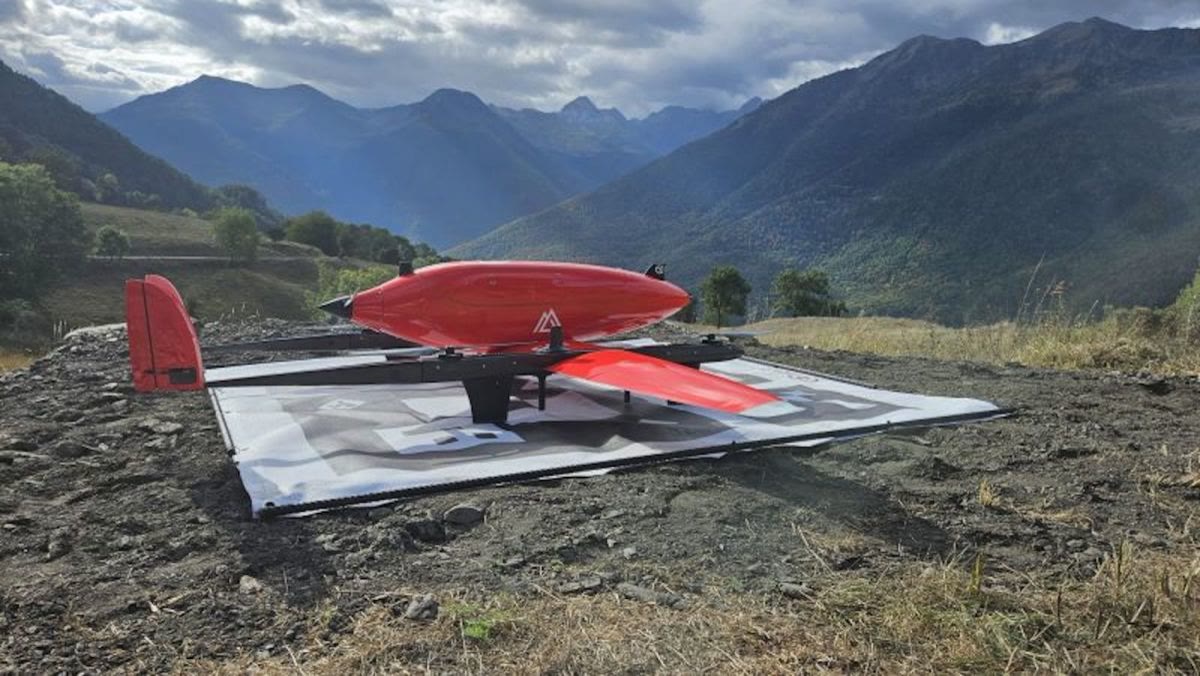
A second SAIL III authorisation in Spain
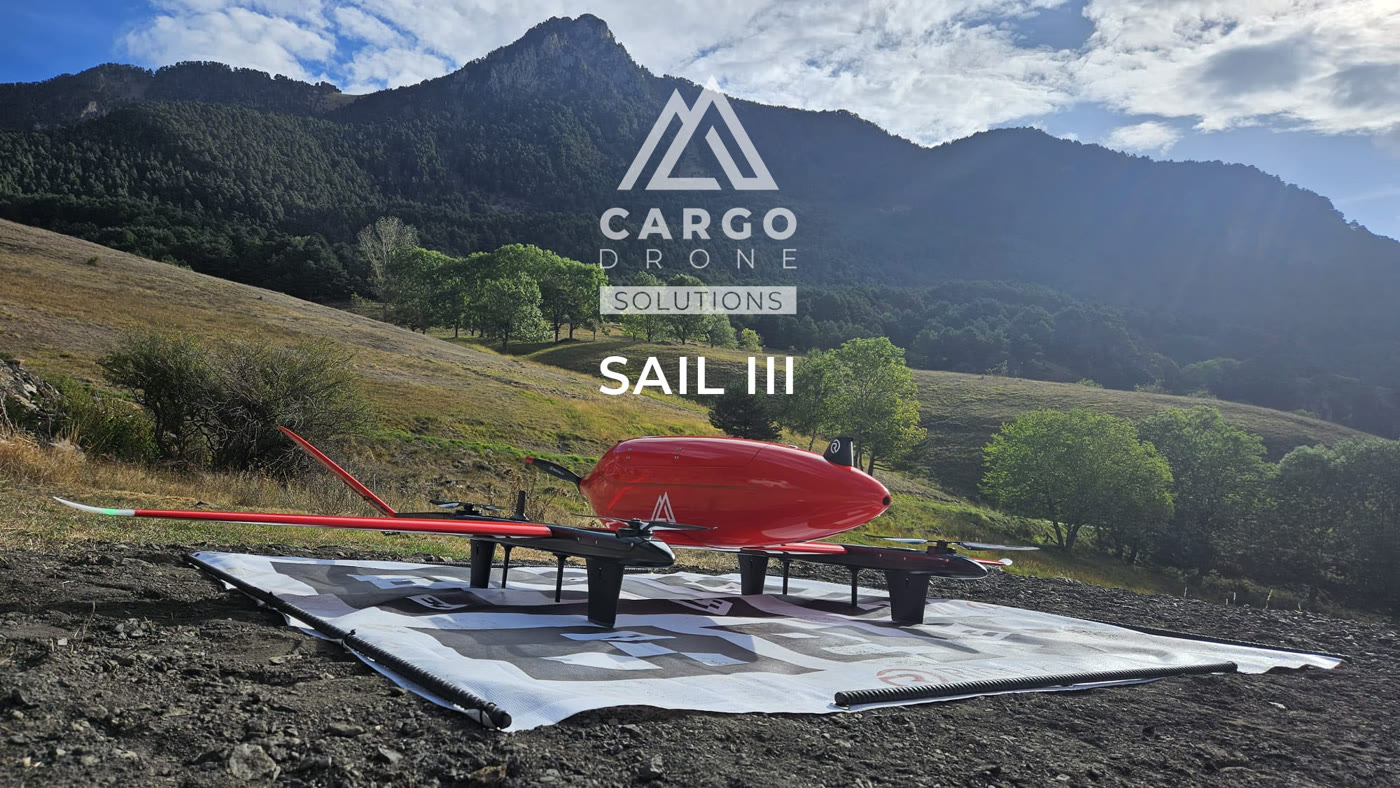
The Spanish State Agency for Air Safety (AESA) announced this week that it had granted an authorisation for cargo transport operations to Cargo Drone Solutions. The level retained is SAIL III, under Implementing Regulation (EU) 2019/947.
This is the second authorisation of this level issued in Spain, which puts the file in context: the country took five months to move from a first experience to a second.
The scope covered is broader than that of the first file. Operations take place beyond the remote pilot's visual line of sight and cover the transport of samples and medical equipment, including products liable to be classified as dangerous goods under the requirements applicable to this type of freight.
This is precisely what distinguishes this file from the previous one.
For a European provider, the interest lies not in the news itself but in the precedent. A SAIL III granted for real transport, with classified materials, gives a point of comparison to any equivalent application filed elsewhere in the Union.
National authorities are not bound by one another, but they read the same texts.
What an open-model authorisation changes
The particularity of the file lies in the form of the authorisation. Cargo Drone Solutions obtained it in open model, a scheme that does not lock the aircraft at the time of issue. The operator can adapt the type of device, vertical take-off aircraft or multirotor, to the operations it is targeting, without going through a new authorisation for each change of platform.
This is a difference of method rather than of risk level. An authorisation tied to a specific aircraft obliges the operator to resubmit an application as soon as it changes machine. An open-model authorisation shifts the requirement to procedures: it is the risk analysis, the operational limitations and the activity manual that frame the use, and the operator must demonstrate that any aircraft chosen fits within that framework.
The gain in flexibility comes with a documentary counterpart.
For the sector, this scheme is the one that makes a heterogeneous fleet operable. An operator that delivers samples in the city and equipment to an isolated site does not need the same aircraft, and cannot afford to file an application per model.
The first authorisation, and what it covered
The first Spanish SAIL III dates back to 30 June 2026. AESA had granted it to the operator CATUAV to operate the Eiger 3 from the French manufacturer RigiTech, under the same Regulation 2019/947.
The scope was narrower: transport and delivery of non-dangerous goods in a populated area, in beyond visual line of sight flight, in an urban environment.
Reading the two files side by side gives the trajectory. In June, it was about demonstrating that a drone could deliver an inert parcel over a city. In November, it is about transporting biological samples and medical equipment, with the packaging, traceability and safety constraints that go with it.
The leap is less about technology than about the nature of the freight.
Note that AESA does not publish, in the available material, the validity period of the new authorisation, the authorised volumes or the exact areas covered. These parameters appear in the operator's file, not in the announcement.
The industrial context of the file
Cargo Drone Solutions is based in Vielha, in the Val d'Aran. The company was the subject of a capital operation in October 2026: the Aggity group took 40% of its capital to strengthen its position in drones for civil and military use.
The SAIL III authorisation was already cited as an asset in this operation, which explains the sequence: the regulatory file preceded the financial announcement, and the commercial announcement follows.
For a European operator preparing its own application, three elements deserve to be retained. First, SAIL III level is no longer a rare object: two authorisations in five months in Spain, in a country with more than 150,000 registered operators.
Second, the nature of the freight weighs as much as the risk level: moving from an inert parcel to a biological sample changes the requirements, even at constant SAIL. Finally, the form of the authorisation matters: an open model avoids freezing the fleet, provided you have the procedures to justify it.
One unknown remains that applies to the whole of Europe: these authorisations are national. A Spanish SAIL III does not exempt you from a file in France, in Italy or in Germany, and the assessment criteria remain those of each authority.
The precedent serves as an argument, not as a pass.
← Back to home · Search · Suggest a topic · Lire en français / Read in French