
Business — International
Elroy Air signs a $70M agreement with Barq Group
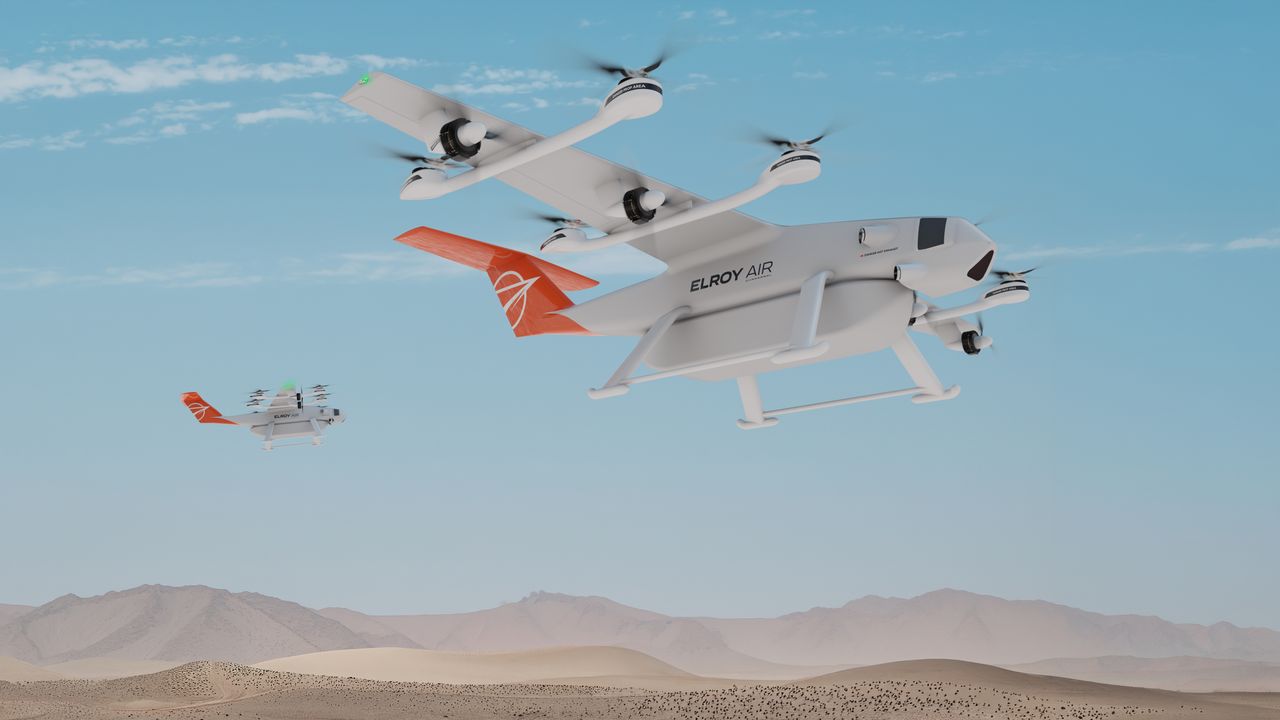
The contract announced on 16 November 2026 between Elroy Air and Barq Group covers 20 Chaparral cargo drones and an initial value of up to USD 70 million. Only five aircraft are firm orders at this stage.
The other fifteen are the subject of production slot reservations, backed by deposits.
A USD 10.25 million deposit for five firm aircraft
The initial deposit amounts to USD 10.25 million. Through this payment, Barq Group finances 50% of the price of each of the five firm aircraft, and additionally pays pre-delivery payments (PDPs) to hold the fifteen production slots, according to the terms detailed in the manufacturer's press release.
Deliveries are due to begin in 2027. The USD 70 million figure applies to the aircraft alone.
Production of the first 20 Chaparrals falls to Kratos Defense & Security Solutions, the exclusive US manufacturer of the aircraft, at its Sacramento site in California. Production start-up is announced for the end of 2026.
The contract comes with a separate warrant agreement: Barq Group can obtain up to 5 million Elroy Air warrants, at an exercise price of USD 12 per share, with milestones linked to the regulatory work carried out in the United Arab Emirates.
What the USD 70 million does not cover
The scope is narrow. The announced sum covers the aircraft only, excluding maintenance, crew training, ground infrastructure or spare parts, elements that neither party has publicly costed.
No revenue, no margin, no result and no year-on-year comparison appears in the documents circulated: the order book is the only financial data made public. For an operator looking for a benchmark in this market, the value of the contract says nothing about the operating cost per flight hour.
The fifteen reservations are not orders. The press release describes the first five aircraft as a binding commitment and leaves the following ones subject to the terms of the agreement. The amounts are expressed in dollars and no exchange-rate clause is mentioned, even though the customer is based in Abu Dhabi and the manufacturer in the United States.
The timetable stops at the year 2027, without a month. The flight authorisations required for operations in the Emirates are not specified, and the local regulatory framework applicable to autonomous freight remains to be established.
A larger project accompanies the contract: a USD 200 million joint venture aiming at a manufacturing and services plant in Abu Dhabi for the production and distribution of the Chaparral in the Middle East and North Africa.
This arrangement remains subject to definitive documentation and regulatory approvals. The purchase contract, however, is signed.
A cap of USD 3.5 million per aircraft, above the Canadian JC250
Divided across the 20 aircraft, the USD 70 million figure gives a cap of 3.5 million per unit. This figure marks an upper bound, since the last fifteen aircraft are not firm and the announced value includes the options.
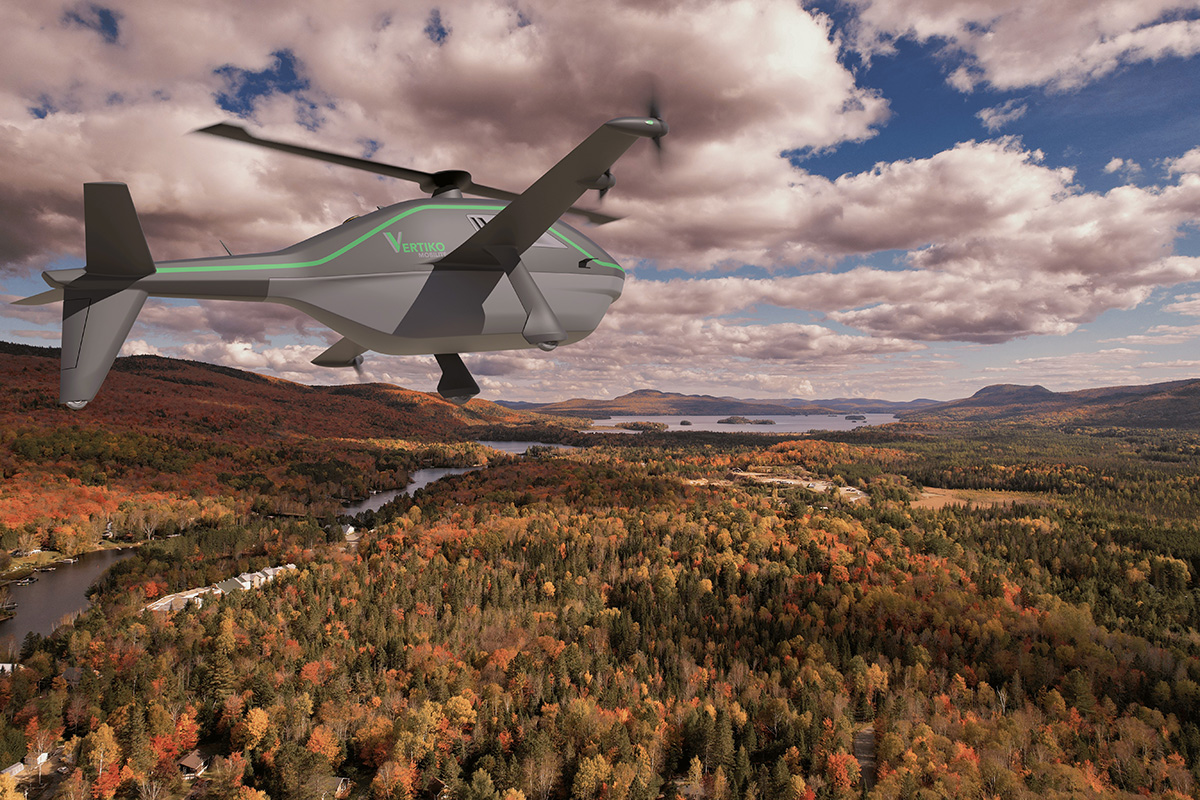
By way of comparison, the non-binding agreement between Canada's Jaunt and Quebec's Vertiko Mobilité covers 10 JC250s, valued at between USD 15 and 20 million, i.e. 1.5 to 2 million per machine according to the elements published on that file.
The two aircraft do not compete in the same category. The Chaparral carries more than 500 pounds, around 227 kilograms, over up to 450 miles, around 720 kilometres, and does without a designated runway thanks to vertical take-off.
The JC250 carries 250 to 325 pounds over a range of more than 200 miles.
The first is designed for isolated or contested sites, with hybrid-electric propulsion that avoids installing dedicated recharging infrastructure; the second is aimed first at supplying remote communities in Quebec.
The Barq Group contract adds to a series of autonomous freight files that remain, for the most part, purchase intentions. The USD 209 billion valuation projected for drone as a service by 2033 rests on market assumptions, not on signed order books, as the projections published on this segment show.
Financiers are closely following the soundness of these order books: the SPAC trust supposed to take Dronamics to the Nasdaq fell to USD 30 million before the merger, which gives a measure of the gaps between announcements and available cash.
Neither party has indicated a delivery month, an initial operating site or a cargo type for the five firm Chaparrals.
← Back to home · Search · Suggest a topic · Lire en français / Read in French