
Regulation — NL
Intruder drones: Netherlands studies right of intervention for critical sites
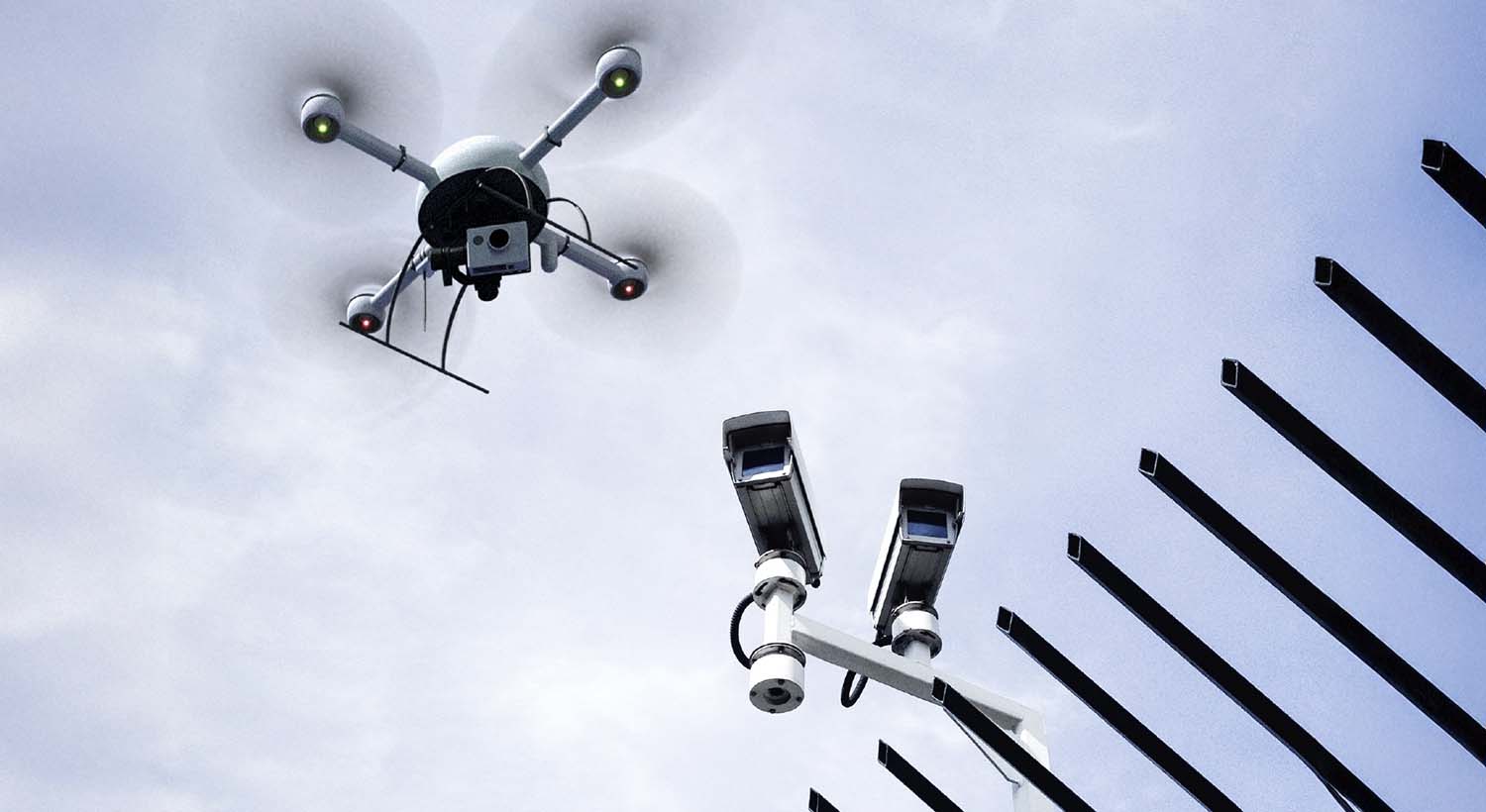
An open review, no power granted
The Dutch government will examine whether managers of critical infrastructure can intervene themselves against unauthorised drones. The recommendation comes from a Dutch resilience network coordinated by the Physical Living Environment Consultative Body (OFL), which brings together more than 50 organisations from the energy, telecommunications, transport, water management and defence sectors.
The Cabinet accepted this recommendation. It has not decided to grant the power in question.
Today, only the police and the armed forces are authorised to intervene when an unwanted drone threatens critical infrastructure or another sensitive site. The operators of these sites are often the first to detect suspicious activity.
They cannot act, even when the reaction time is measured in minutes.
The resilience network proposes examining the granting of additional powers in specific circumstances and under strict conditions. Such a change would require revisiting the principle that the state monopoly on the use of force cannot be shared.
As of 8 November 2026, no Dutch text sets out this sharing.
No numerical threshold set at this stage
The technical parameters of these interventions remain to be defined. The recommendation refers to specific circumstances and strict conditions, without their final form having been settled. Nothing currently indicates a flight altitude, maximum mass, drone class or distance from protected sites that would serve as a trigger.
The question of the means used also remains open. Electronic jamming, for example, cuts the link between the drone and its remote pilot. A device deprived of control does not stop, however: it continues on its trajectory and may fall onto a populated area or onto the facility that one was seeking to protect.
This risk hangs over any authorisation given to a private actor.
A national detection database, with a pilot project in Rotterdam before the end of 2026
The detection strand is advancing on a separate timetable. The government wants to create a national drone detection database, which will bring together information from different systems and different sites. A pilot project is due to start at the Port of Rotterdam before the end of 2026.
The objective covers the detection and assessment of unauthorised drone activity. The executive also wants to encourage joint investment in detection equipment, data sharing and standardisation, so that the organisations concerned have a more complete picture of the threats.
A national drone summit has been announced, intended to strengthen cooperation between public agencies and critical infrastructure managers. It is intended to exchange lessons learned and to address jointly the safe and innovative use of drones and the protection of strategic sites.
What could still shift the text
The distinction between a report and a confirmed incident weighs on what follows. In many cases, the origin of an observation remains uncertain: it is impossible to say whether it really was a drone, who was piloting it and whether the intent was hostile.
Investigations carried out elsewhere in Europe into alleged incidents have not always been substantiated, or have found another explanation. Better detection and better information sharing should help to separate a real threat from a legitimate operation or a mistake.
Liability in the event of a failed neutralisation is not settled. No apportionment has been settled between the operator that would act, the State that would authorise it to do so and the remote pilot whose aircraft would have been destroyed or diverted.
The debate on the exact scope of the powers granted, on the circumstances that would give rise to them and on the authorised means remains before the Cabinet. As long as no decision is taken, managers of sensitive sites have no option but to report and wait for law enforcement to intervene.
← Back to home · Search · Suggest a topic · Lire en français / Read in French