
Regulation — UK
Amazon obtains right from UK regulator to deliver to 8,000 households by drone
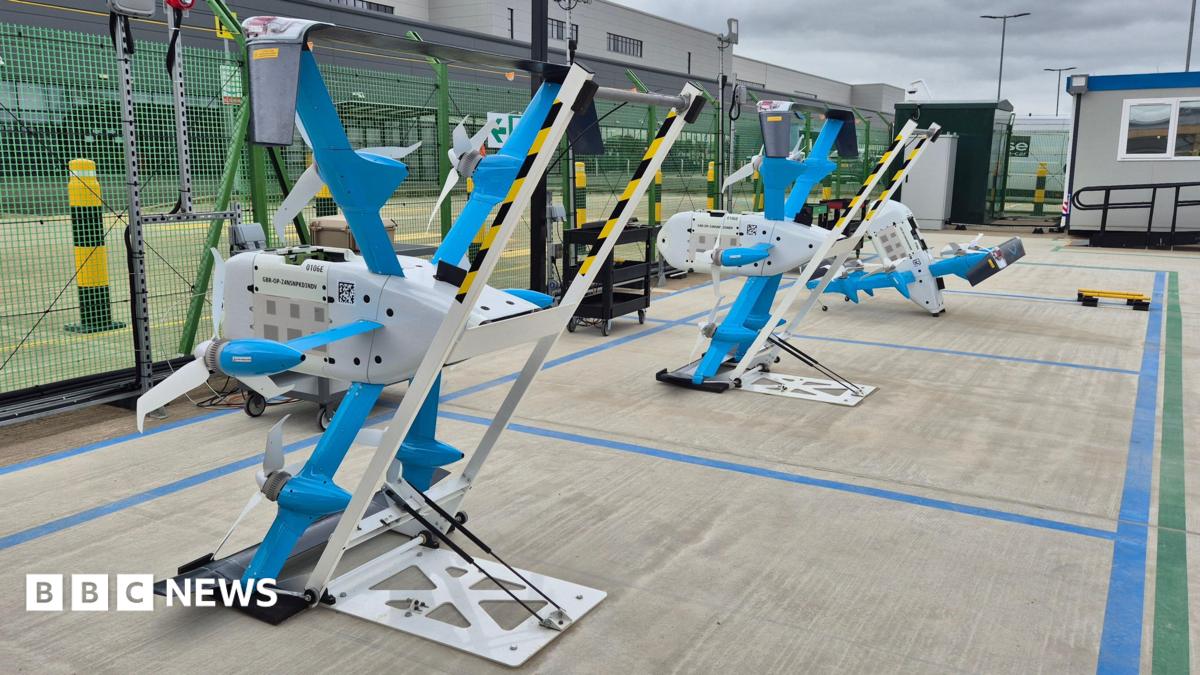
The scope of the authorisation, from the 12 km radius to 8,000 households
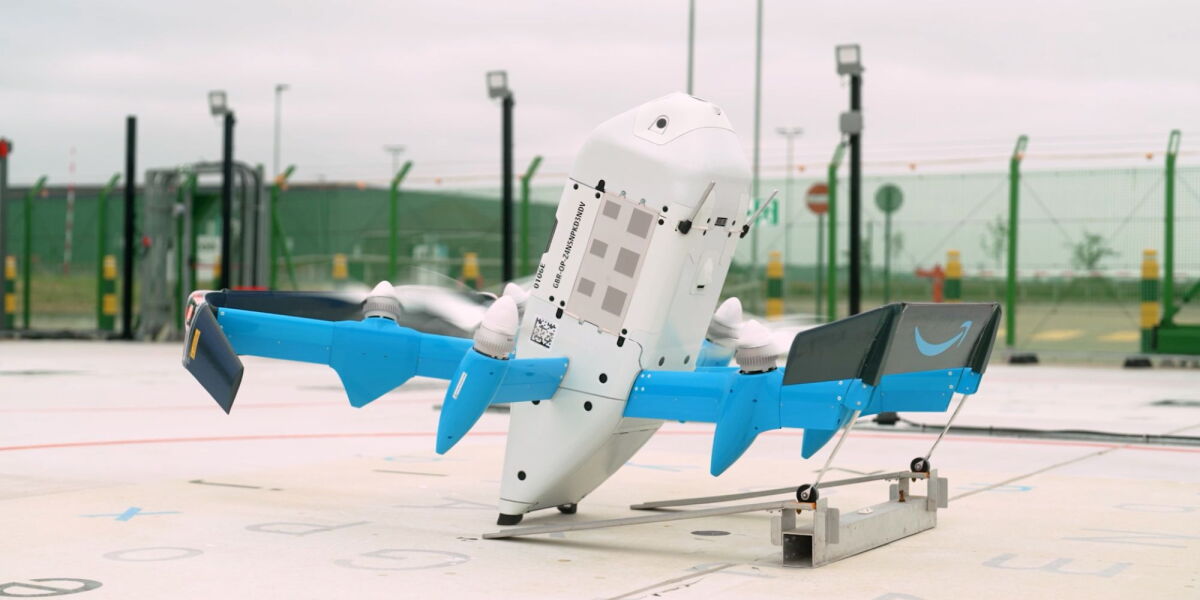
The authorisation covers Darlington, in the north-east of England, around Amazon's distribution centre. The MK30, Prime Air's electric drones, deliver parcels there within a radius of 7.5 miles (12 km) and carry out up to 100 deliveries a day.
Eligible items weigh less than 2.2 kg and fit in a large shoebox. The service is reserved for Amazon Prime members whose address has a garden, a yard or a driveway in the area served.
Amazon promises delivery in under two hours; deliveries have been recorded in under an hour on eligible items.
The change concerns overflight. Until 10 November, Prime Air operated beyond visual line of sight (BVLOS) under an authorisation from the CAA, in the less densely populated parts of Darlington. The SAIL 4 validation authorises flights over a wider area of the town and over more densely populated communities.
The number of eligible households rises from around 600 to around 8,000.
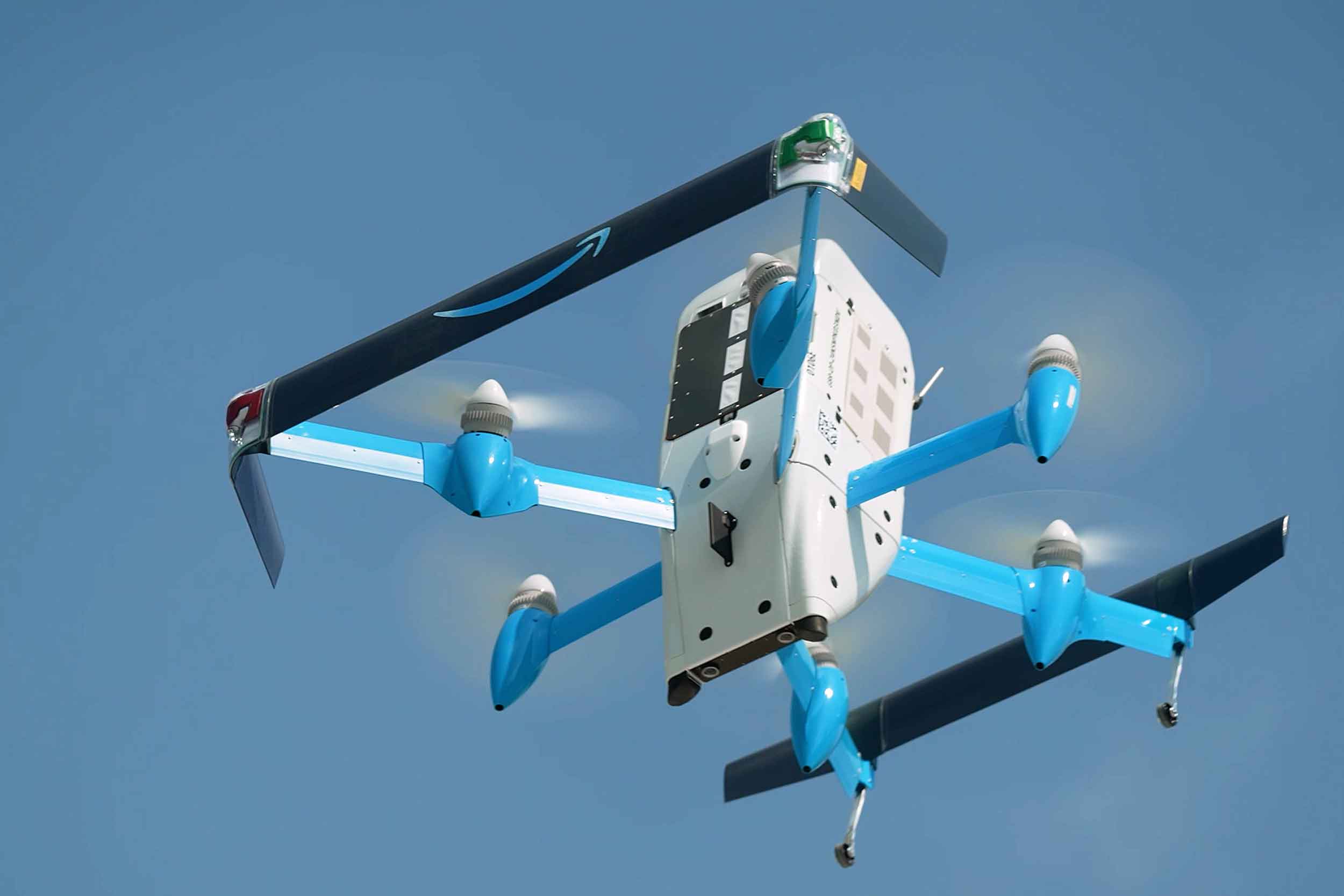
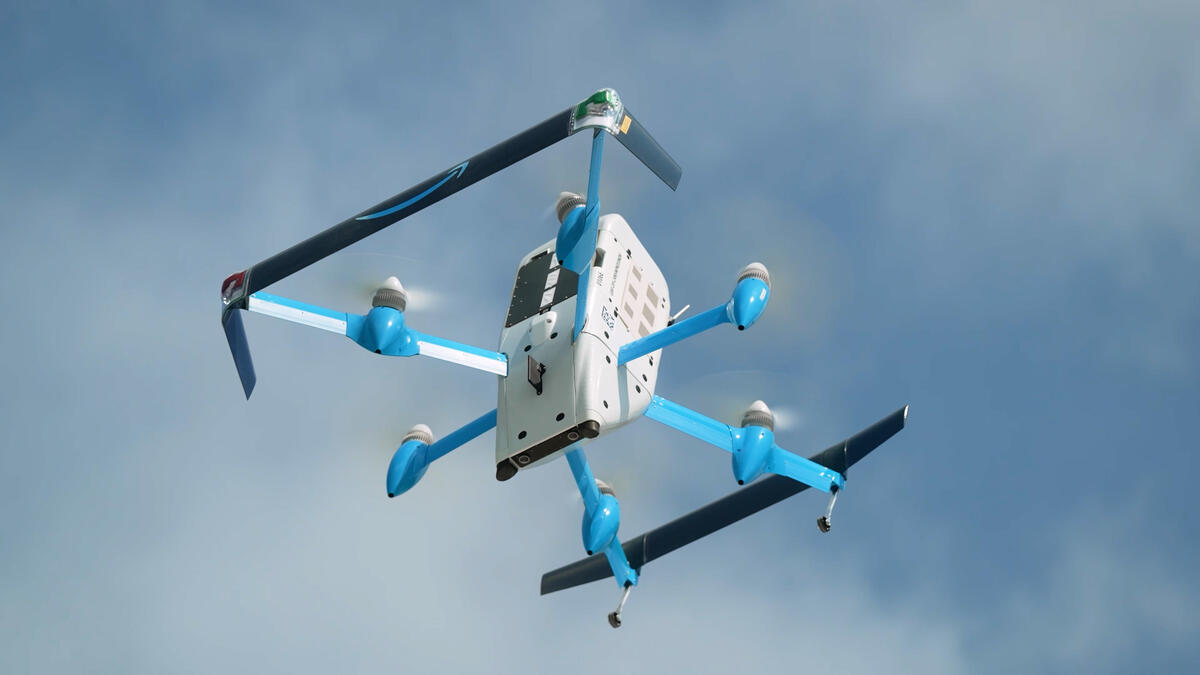
The aircraft concerned is the MK30, presented by Amazon as its most advanced model. It carries a detect-and-avoid system based on machine-learning models, which identifies other aircraft, people, animals and obstacles that are absent from satellite maps, down to washing lines and trampolines on landing.
The machine has six motors, a three-cell battery and a second flight-control system activated in the event of an anomaly, with automatic return to base or a controlled landing.
Immediate entry into force, verified on 10 November 2026
The announcement is dated 10 November 2026 and Amazon states that flights began the same day. The Darlington service opened at the start of 2026, with regular flights from May.
SAIL stands for Specific Assurance and Integrity Level. The British framework for the assessment of specific operational risk (SORA) defines this level. Level 4 corresponds to operations classified as medium to high risk and requires substantial evidence on the reliability of the aircraft, the safety of the operation and risk management.
Amazon and the CAA present this as a world first: no other drone system had been assessed at this level in the United Kingdom.
Two separate acts, an assessment in four parts
The approval consists of two acts: an Operating Authorisation and a Flightworthiness Validation. The CAA examined the operation, the aircraft, the organisation and the risk-management approach.
It is issued to Prime Air for its operation and for the MK30; it does not constitute a framework open to other operators.
An operator aiming for the same level goes through the SORA framework and must document the reliability of its aircraft, the safety of its operations and its handling of risk. The burden of proof covers the entire system, not the drone alone.
“Earning it took years of disciplined engineering and a commitment to safety from day one,” declares Theunis Scheepers, director of Prime Air Europe, who thanks the CAA for having worked alongside the company at every stage.
The July crash and the conditions still to be settled
The extension does not erase the July 2026 incident: a drone came down in a garden in Darlington and the Air Accidents Investigation Branch (AAIB) opened an investigation. No one was injured and Amazon stated that the drone “had reacted as expected”.
The SAIL 4 authorisation was granted four months later.
The announcements specify neither the flight corridors chosen for the urban area, nor the noise rules applicable to a ramp-up in activity, nor the consequences of a flight outside the authorised perimeter.
Sophie O'Sullivan, director of future safety and innovation at the CAA, sees in the extended authorisation “a reflection of the progress made as the aviation sector evolves and new technologies enter routine operations”.
Sharing low-altitude airspace with light aviation, helicopters and gliders remains to be settled as the number of autonomous aircraft increases.
Amazon links the operation to its British commitments: local jobs in drone operations, maintenance and ground handling, £40 billion of investment in the United Kingdom and a £300 million contribution to the Teesside economy in 2024.
← Back to home · Search · Suggest a topic · Lire en français / Read in French