
Incidents — UK
Drone crashes into a tower crane in Manchester
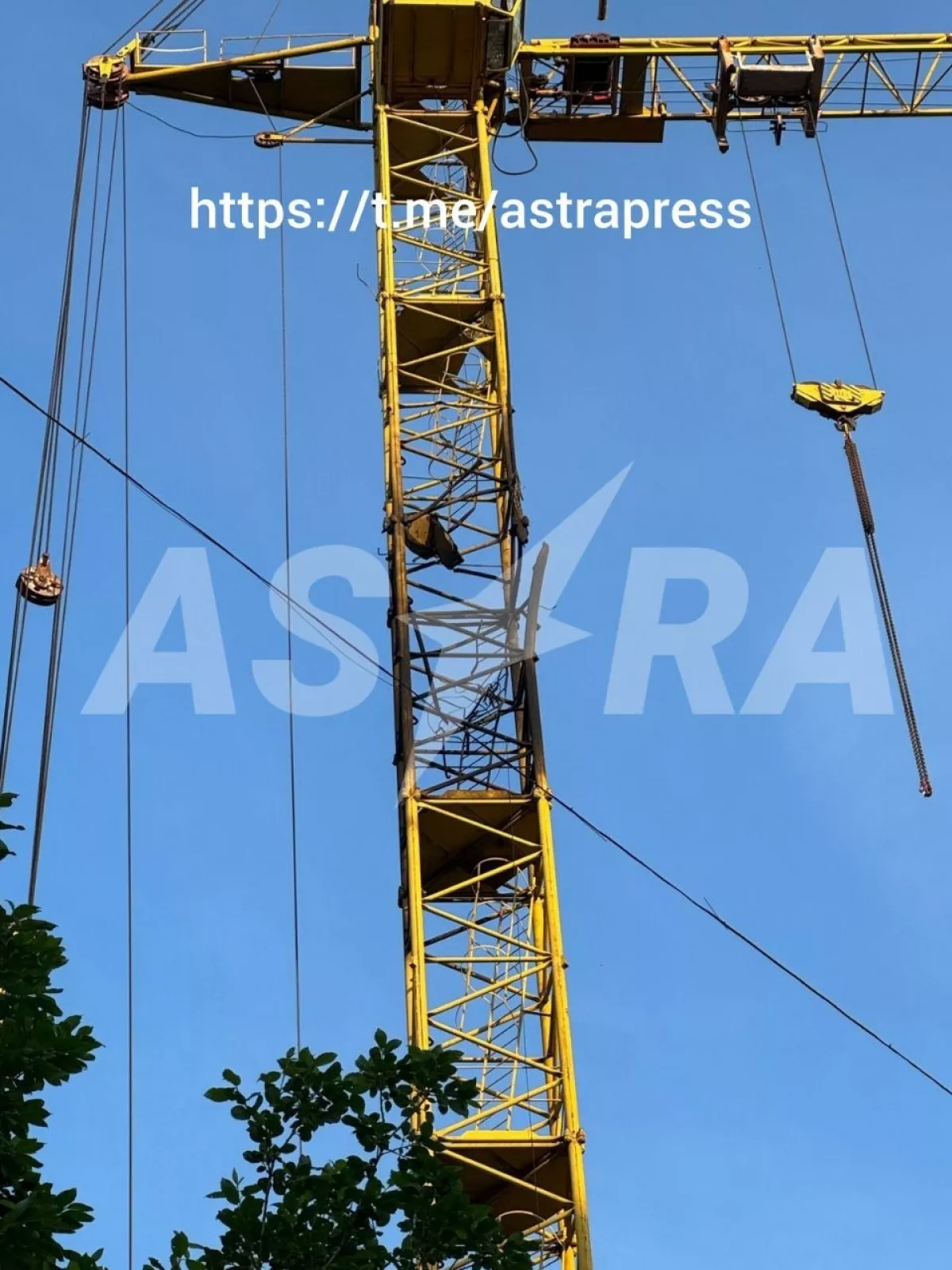
The incident and the unpublished data
A drone crashed onto the top of a tower crane overlooking a construction site in Cheetham Hill, in north Manchester. The Manchester Evening News reported the incident. The date was not made public, nor was the model of the aircraft, its operator or the flight data.
The fall occurred on the highest part of the crane, directly above the site. No information was released about any injuries or about damage other than to the aircraft.
The context of the flight remains unknown: nothing publicly indicates whether it was filming for the site, an inspection, a delivery or a recreational flight.
A tower crane occupies a singular position in a neighbourhood's airspace. Mast, jib and counter-jib rise above the roofs, and their geometry changes with the pace of the site. The volume to avoid therefore varies, unlike that of a building or a pylon.
Official classification remains to be established

The cause of the crash has not been established. No official classification of the event has been published, neither its exact nature nor its administrative categorisation. No published element describes a collision narrowly avoided or an accident that exposed people.
In the United Kingdom, drone flights remain governed by Regulation (EU) 2019/947 as retained in British law and by publications from the CAA. A flight over a built-up area does not fall under the most permissive conditions of the open category.
The operator must document the risk analysis for the area and, where these conditions are not met, obtain an authorisation in the specific category. No published information says under what framework the Cheetham Hill flight had been prepared.
Collisions with cranes documented elsewhere
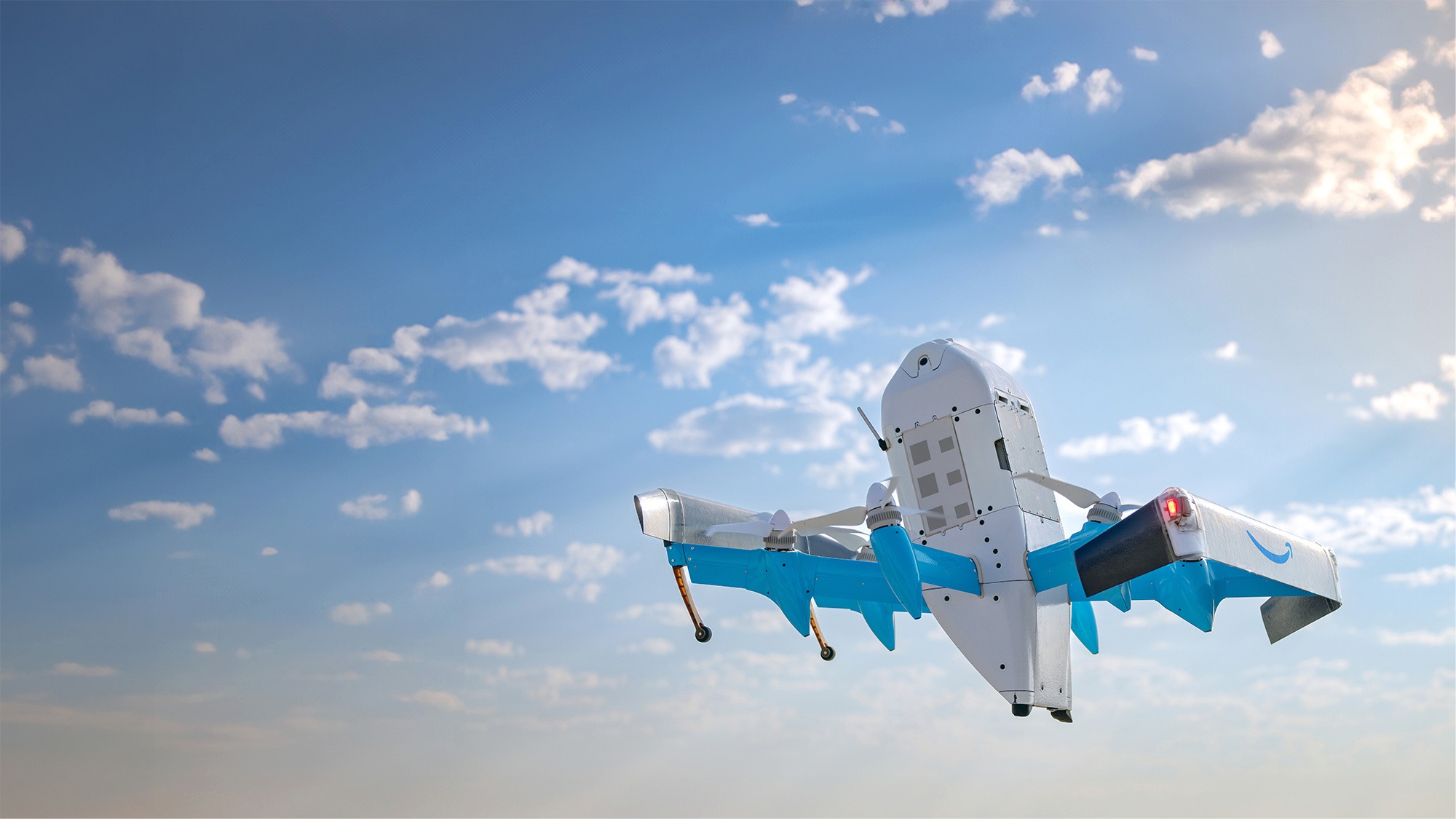
Encounters between drones and cranes are not isolated. In Arizona, two Amazon Prime Air MK30s struck a construction crane within minutes of each other in Tolleson in October, according to AVweb.
In November, an aircraft from the same series snagged on a cable in Waco, Texas. In early February 2026, an MK30 crashed into a residential building in Richardson, Texas: the city's fire service reported neither fire nor major structural damage, Amazon announced that it was investigating the cause and the FAA opened an investigation (AVweb, 9 February 2026).
In Russia, a drone struck a crane in a courtyard in Smolensk. Residents feared a collapse, Caliber.az reported. The mechanics of these collisions recur: a thin obstacle, difficult to perceive on a video feed, and a pilot who discovers the structure too late.
The South Korean army plans to acquire more than 20,000 low-cost drones by 2030. This year, a Remoeye reconnaissance drone fell in a park in Gimpo after a loss of link, among other accidents that have called operational reliability into question (Seoul Economic Daily, 10 November 2026).
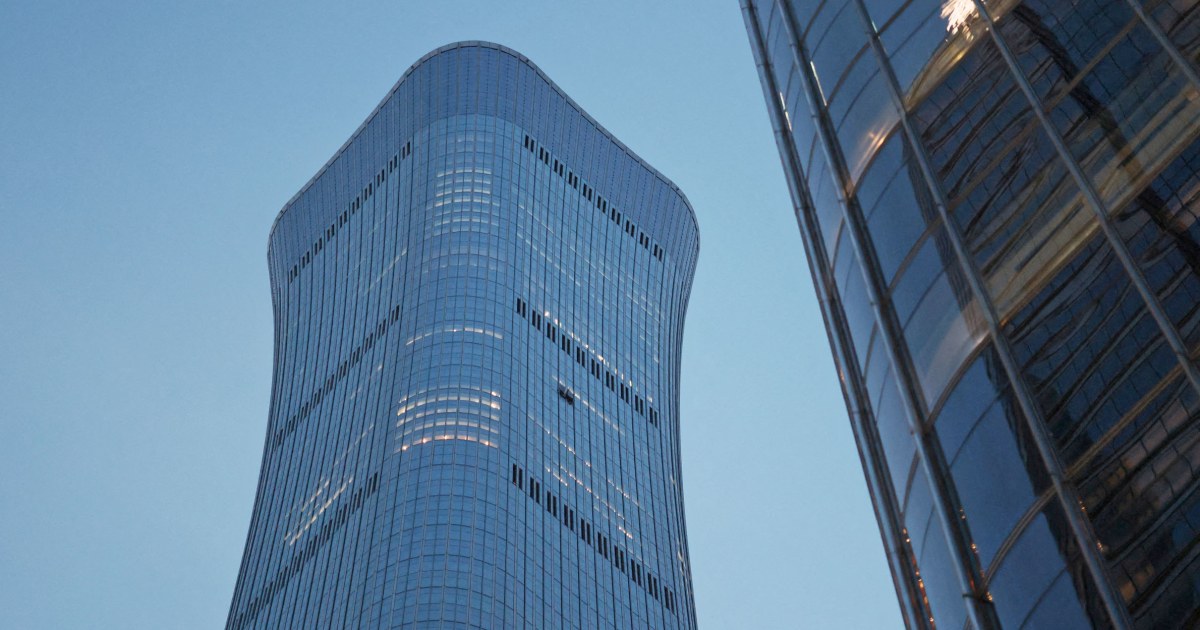
In Beijing, on 26 June 2026, a two-seat light aircraft the size of a car struck the CITIC Tower, 108 storeys and 528 metres high, killing the pilot and injuring 13 people on the ground (Reuters, dispatch of 26 June 2026, updated on 27 June).
The height of towers constrains any aircraft operating in a city.
Preparing a flight over a sensitive area
An active construction site is a moving area. Crane heights, jib orientations and load positions change from week to week, and a volume declared safe at the start of the site may no longer be so three months later.
The survey of vertical obstacles must be repeated at each phase.
The Tolleson and Waco episodes show two families of obstacles: the crane structure itself and the cables strung around it. Both are addressed by ground marking, a documented lateral distance and a briefing with the crane operator, who knows the planned movements and the periods when the jib will be stationary.
The take-off point matters as much as the trajectory. Taking off directly above the site reduces the distance to cover but removes the recovery margin in the event of a loss of link. The South Korean accidents documented this year are partly due to signal losses, a failure mode that leaves the aircraft without control over the final metres.
Administratively, the operator keeps a record of the risk analysis, the area coordinates and the exchanges with the construction company. These documents weigh in the examination of liability, which remains to be established case by case: the drone operator is accountable for preparing the flight, the company operating the crane is responsible for its own safety rules on the site.
In Cheetham Hill, the cause of the crash has not been established.
← Back to home · Search · Suggest a topic · Lire en français / Read in French