
Incidents — FR
Toulon: drone pilot arrested after a flight near the naval base
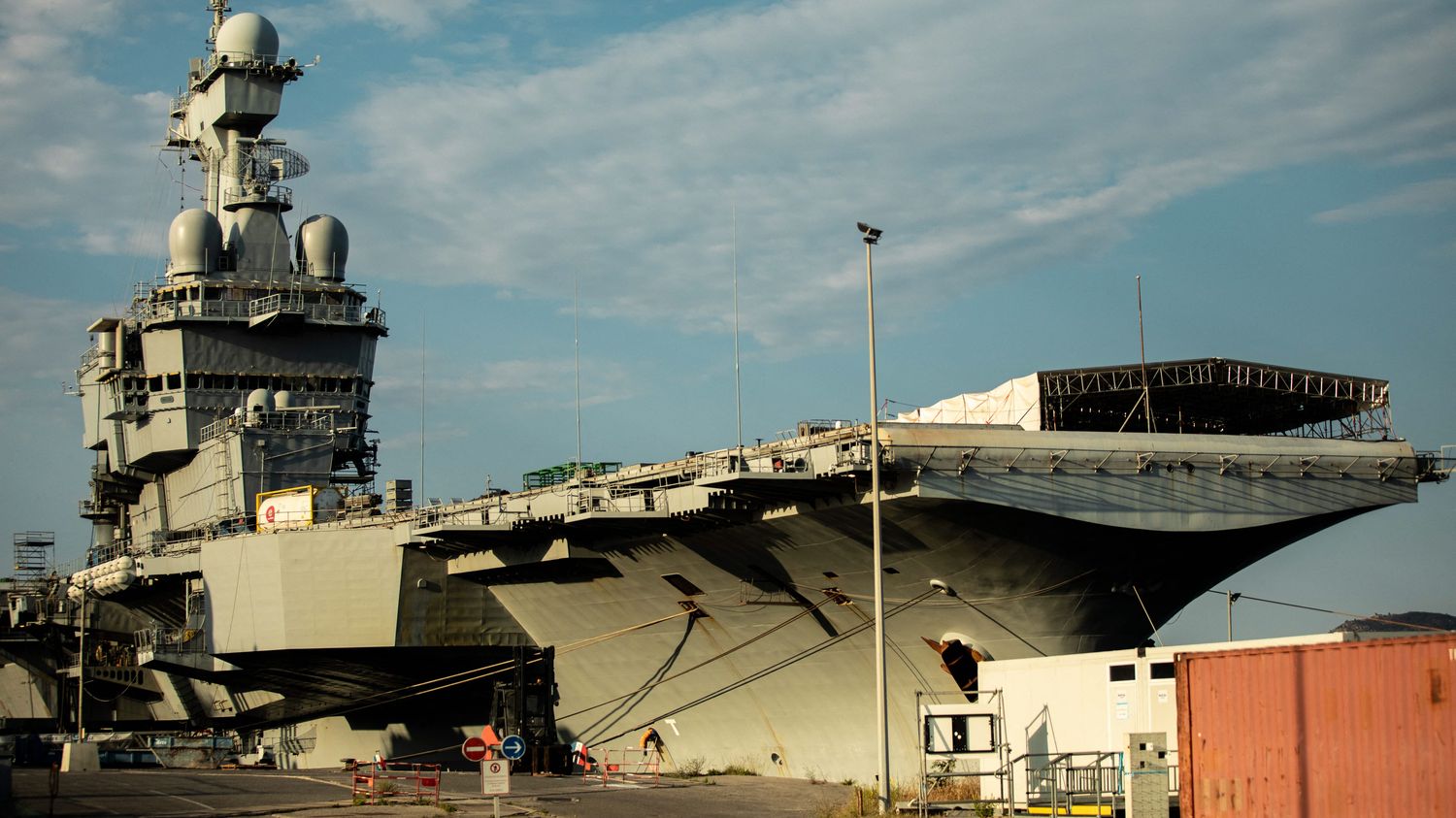
Remote pilot apprehended after overflight of the old town
On Wednesday 18 November 2026, a drone overflew the old town of Toulon. Its pilot was apprehended and the aircraft seized. The detection occurred in a no-fly zone near the naval base.
The flight characteristics were not made public: neither the altitude, nor the duration, nor the drone model. The investigation will have to establish whether the remote pilot knew the zone’s classification or was unaware of its existence.
No court decision has been made at this stage.
No-fly zone: what the classification changes for the pilot
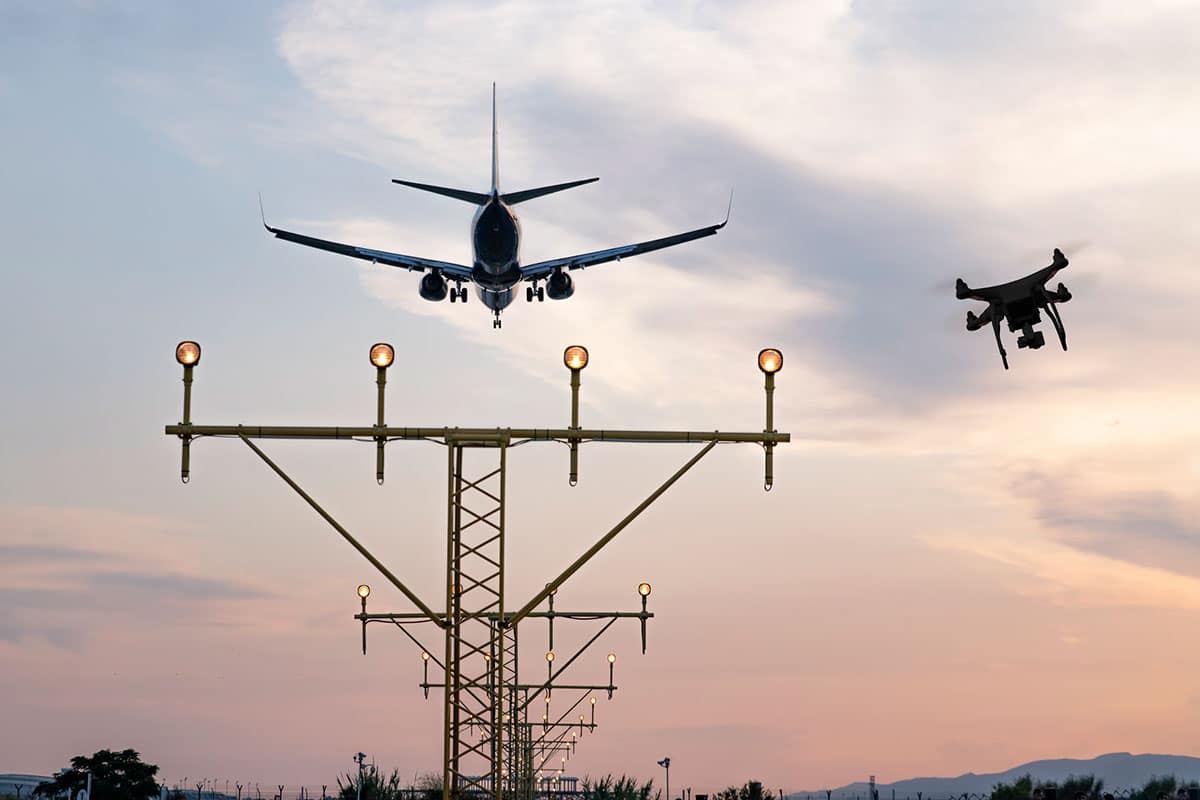
Overflying a no-fly zone has two distinct consequences. The first is material: the drone may be seized, as happened in Toulon. The second is judicial: the remote pilot must answer for the flight before the competent authority.
For a professional, the loss of the aircraft is added to the immobilisation of the mission in progress.
The military site bordering the old town is not an ordinary site. The Toulon naval base has existed since 1599 and today accounts for 70% of the French fleet. It is also the leading industrial site in the Var.
Some 24,000 people work there every day and 2,500 companies are under contract with it. Food purchases alone represent €17 million a year, 80% of which comes from the region and 50% from the department.
The old town adjoins this site. It was there that the drone was detected on 18 November, before its pilot was apprehended.
Other drone cases over sensitive sites
Drone overflights over Toulon’s military sites have already been documented. franceinfo reported detections over military sites during a joint inter-service exercise in the roadstead.
The response can also go through the public prosecutor’s office. At Genoa airport, the reporting of five drones led to the opening of an investigation, a pattern that shows detection quickly triggers proceedings beyond a simple check.
Elsewhere, the judicial response can be collective: ten remote pilots were prosecuted in the United Kingdom for a flight in a restricted zone in Leicester.
The scale of an incident cannot be inferred from its account. A study by Embry-Riddle Aeronautical University examines near-collisions between drones and aircraft and offers an objective reading of these events.
It does not characterise the aircraft involved in a given case. Nothing in the public elements of the Toulon flight allows one to assert that the aircraft encountered another aircraft.
Preparing a mission near a military site
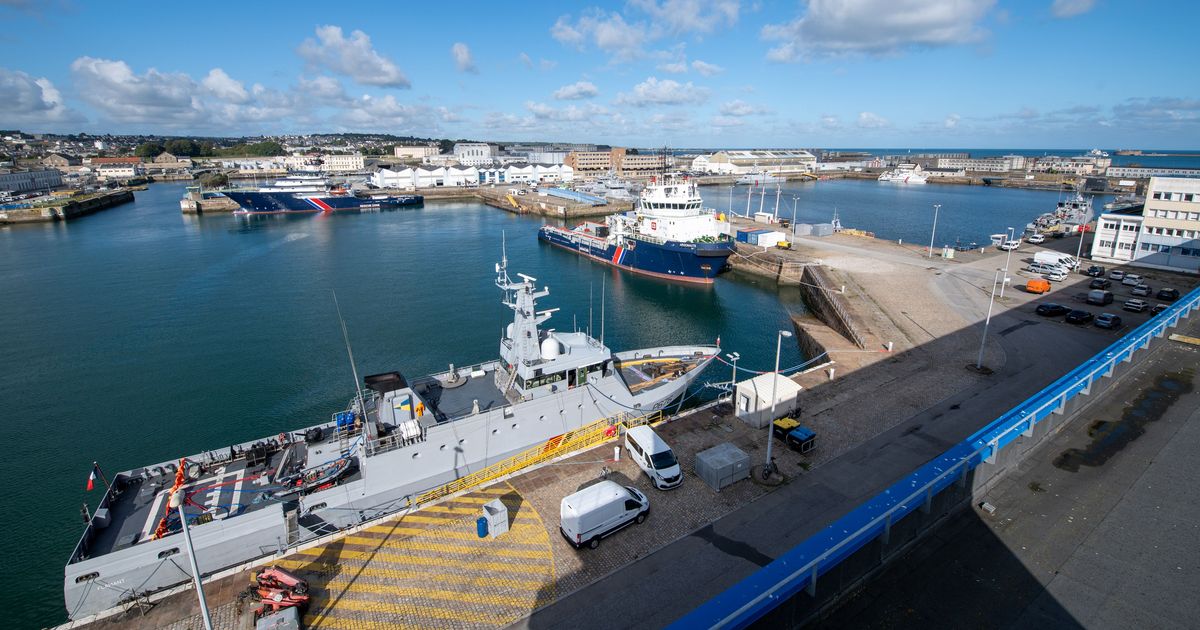
Sensitive perimeters are not limited to the Toulon roadstead. The Cherbourg naval base, the country’s third largest after Toulon and Brest, covers 115 hectares on land and 145 hectares at sea.
More than 1,500 people work there every day, for a management unit of around 200 people, including about forty civilians.
The French Navy celebrates its 400th anniversary in 2026, and the Normandy site remains a textbook case for gauging the ground footprint of a base: ICI Cotentin details its organisation.
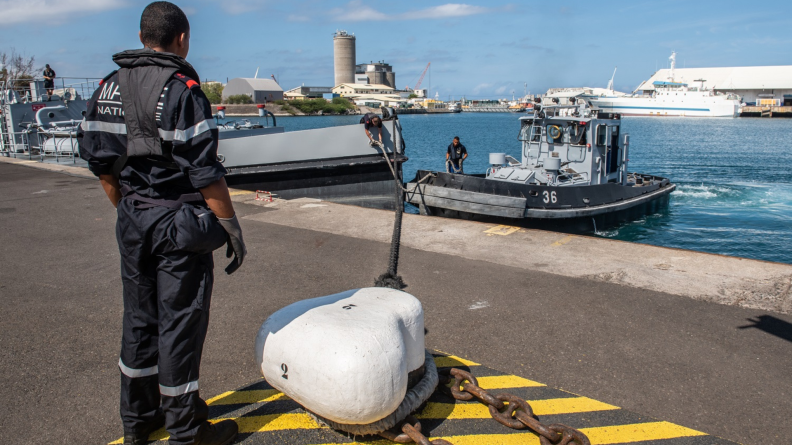
Other sites are smaller in scale without being less constrained. In Réunion, the Port des Galets brings together more than 300 military personnel and nearly 100 local civilian workers.
For an operator, preparation begins with the classification of the zone, checked before take-off and documented in the mission file. A no-fly zone is not entered because the mission is short or the aircraft light.
Seizure of the drone and prosecutions remain the direct consequence of an unauthorised flight, as in Toulon on 18 November 2026.
← Back to home · Search · Suggest a topic · Lire en français / Read in French