
Incidents — International
Springhill: first prosecutions for a drug drop by drone
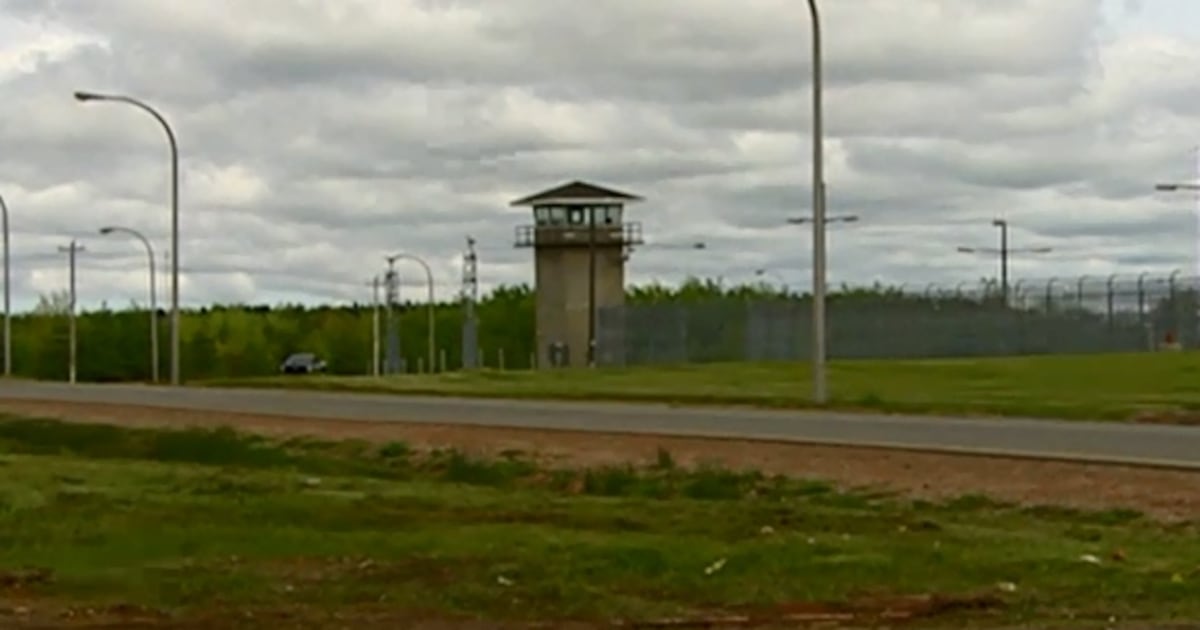
A delivery drone that crosses the wall and drops a parcel
The chain has three steps. A remote pilot takes up position within visual range of the facility, the aircraft takes off with a load suspended under its frame, flies over the perimeter walls and releases the package at the agreed spot.
The drone comes back, or stays on the ground.
At Springhill Institution in Nova Scotia, this scenario produced charges, a first for the facility. CTV News reports the laying of charges in an article by Bill Dicks, published on 10 November 2026 at 18:53 Eastern time.
The outlet specifies neither the exact nature of the charges, nor the quantity of the substance involved, nor the identity of those prosecuted. The established fact stops at the filing of charges in a drone drop case.
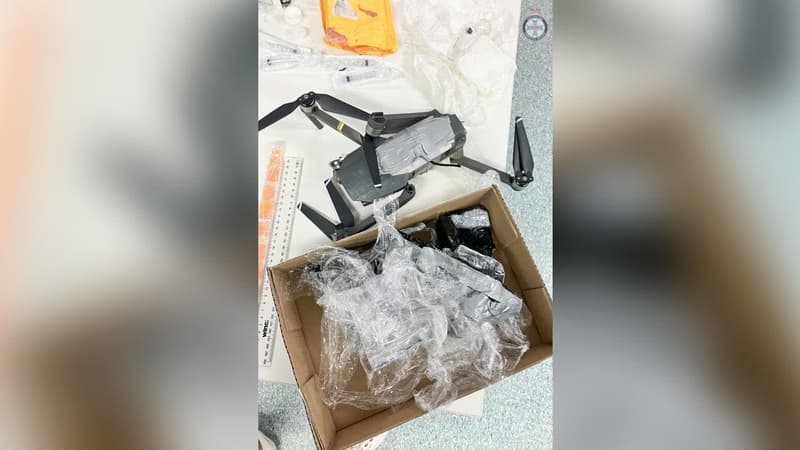
The Australian precedent shows the scale of the payload. On 17 May, officers of the Queensland corrective services intercepted a drone above the Townsville Correctional Centre. The package contained methamphetamine, GBL, a large quantity of prescription medicines, syringes, a glass pipe, a mobile phone and a SIM card.
The payload's value is estimated at more than one million dollars. A 47-year-old man was charged on 24 August 2026 with five counts of supplying dangerous drugs into a correctional facility, plus drug trafficking, possession of a prohibited item in a correctional setting, supplying a medicine and drone-related offences.
He was due to appear on 25 August before the Townsville Magistrates Court.
The figures in the case files, and their blind spots
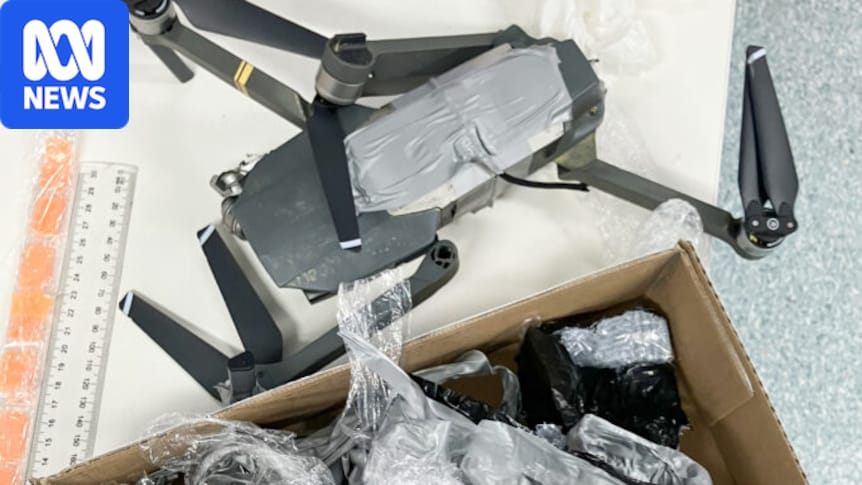
Court files give amounts, rarely technical specifications. In Cooma, in southern New South Wales, the green sock suspended under the drone contained methamphetamine, cannabis, tobacco, superglue and a phone.
The combined value inside the prison was estimated at about 130,000 dollars at the bail hearing. The aircraft was also carrying a drone case, a radio controller, a phone and SIM cards, found in a red Audi parked nearby, according to police.
In the United States, the federal proceedings show the industrial scale: a 17-count indictment, unsealed on a Wednesday, describes the use of six drones for at least 38 drops at ten federal prisons, from Atlanta to Mississippi, starting in September 2023.
None of these sources gives the drone's model, its maximum payload, its endurance or its drop altitude. Only one document gives a height: in Graham County, Arizona, the aircraft was flying over a property at about 25 feet, nearly eight metres, along a power line, when a local resident hit it with a .410-calibre rifle.
The damage was assessed at about 3,000 dollars, including equipment and lost data.
After the lost drones, the prosecutions
The previous generation of these cases ended with abandoned equipment. In 2022, officers at the Townsville complex found a crashed drone with drugs and tobacco on board; a man was prosecuted in 2023.
On 5 September, officers at Goulburn Supermax, in New South Wales, recovered from a roof phones, SIM cards and Allen keys dropped from outside.
In Cooma, the case moved on to the people involved. Two men were charged: Edmond Alija, 31, presented as the remote pilot, pinned to the ground by correctional officers before his arrest, and Simon Mihajlovski, 38, arrested nearby.
Both are prosecuted for flying a drone in prohibited airspace, for attempting to deliver an item to an inmate and for supplying drugs. Mihajlovski, owner of the aircraft according to his defence, was granted bail under strict conditions, including a ban on contacting his co-accused, and will appear before Cooma Local Court in November.
Alija, who did not apply for release, returns to court in October.
Springhill joins this series with one major difference: Nova Scotia had never prosecuted on this basis. The drone question is leaving the register of the security incident for that of criminal evidence.
What is missing to judge Springhill
The Canadian file remains thin. No public element says how many flights are alleged, what equipment was seized, or on what date the next hearing is set. The criminal framework applicable to a drone drop in Canada does not appear in the source consulted.
Other jurisdictions have codified the response. In New York, a first drone-flying offence falls under §10-126 of the city administrative code: a class A misdemeanour, a fine of 250 to 1,000 dollars, up to 90 days' imprisonment and possible seizure of the aircraft.
Flying in a park adds a violation of rule 1 RCNY § 1-05(r)(2), punishable by 1,000 dollars and 90 days. In Arizona, the aircraft is legally an aircraft: shooting it down falls under 18 U.S.
Code § 32, and the FAA holds exclusive authority over navigable airspace, including above private property. The East Sanchez Road resident faces criminal damage charges, the file having been referred to the Graham County attorney, according to the Gila Herald, in an edition dated 5 November 2026.
For a professional operator, the consequence is direct: flying over or near a prison perimeter is no longer handled only in terms of airspace compliance, but in terms of evidence usable by a criminal court.
Height, payload and image-capture limits, however, remain set by each country's local rules, and the Springhill case does not specify them.
← Back to home · Search · Suggest a topic · Lire en français / Read in French