
Reviews — ES
Spain tests advanced drone technologies for EUROCONTROL in Ribeira Sacra
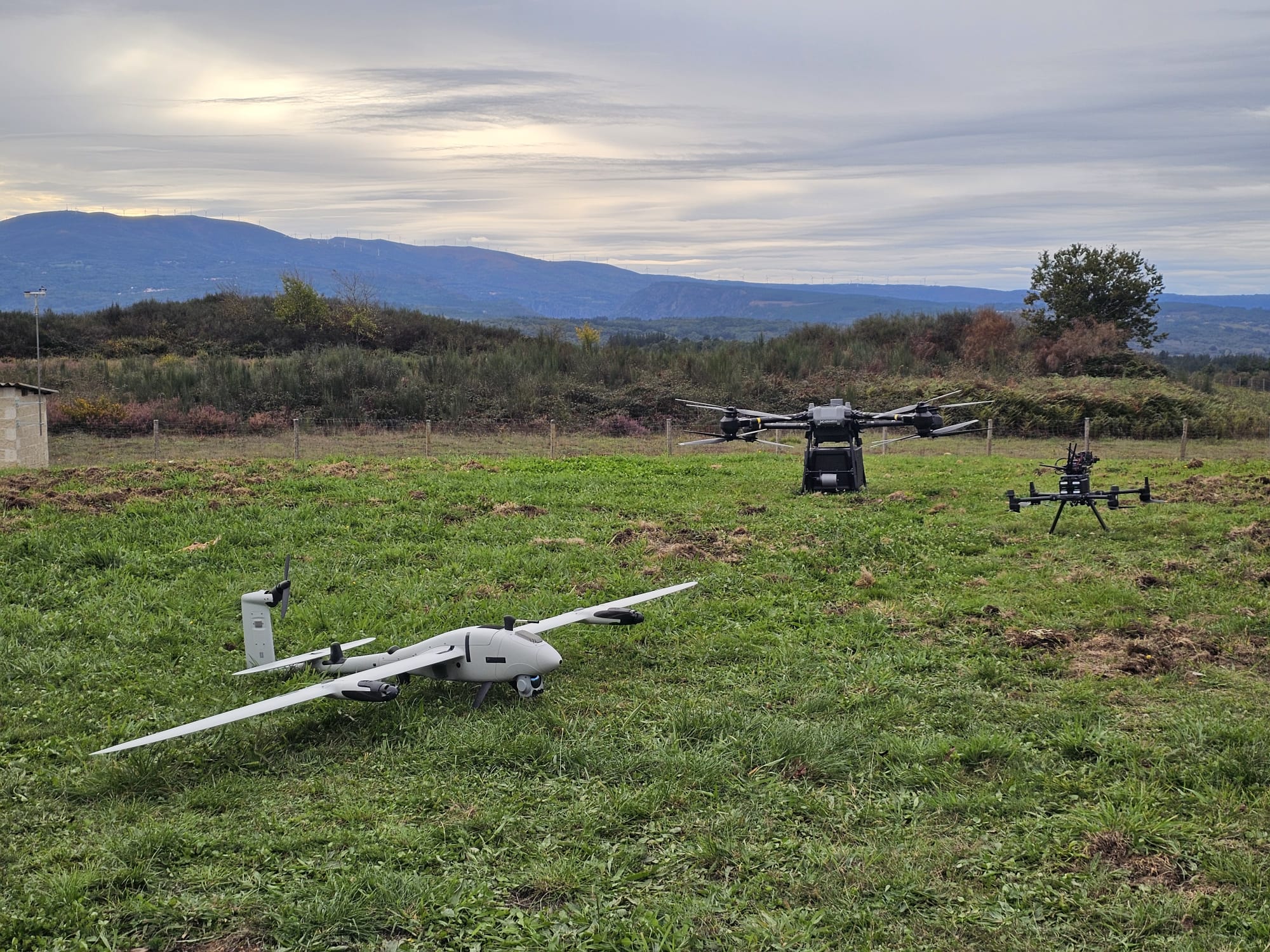
Three days of flights across several scenarios
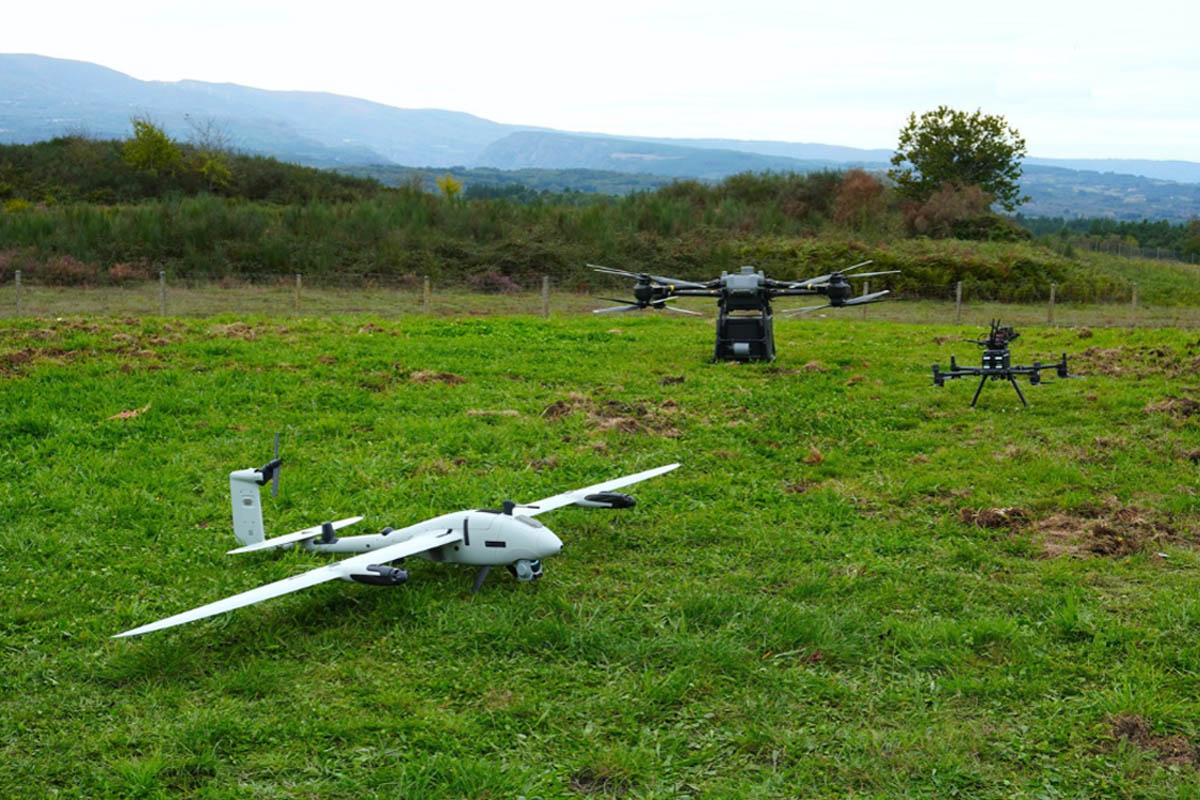
Spain's National Aviation Safety Agency (AESA) and Ineco coordinated EUROCONTROL's e-Conspicuity/GNSS flight campaign in Ribeira Sacra, Galicia. The announcement was published on 22 October 2026 by the Spanish agency. The operation, supported by EASA and EUSPA, aims to test and validate technologies that must support the safe development of advanced drone operations in Europe.
The trials lasted three days. The participating operators and entities carried out flights across different scenarios in order to gather data on the behaviour of two families of technologies: electronic visibility, known as e-Conspicuity, and navigation aid systems relying on GNSS signals. The flights combined drones and manned aviation, which is the point of the exercise: the aim is to verify that each user can be identified by the other.
Electronic visibility refers to an aircraft's ability to signal its presence electronically to other airspace users. GNSS provides the position. Both building blocks are directly relevant to beyond visual line of sight operations and the management of non-cooperative traffic, two prerequisites for the wider roll-out of professional flights in controlled airspace.
A segregated airspace volume granted for innovation
The campaign produced a first in Spain: authorisation for a temporarily segregated airspace volume (TSA, Temporary Segregated Airspace) issued for an innovation purpose, in the form of a regulatory sandbox. The request was submitted by Spain's Directorate General of Civil Aviation (DGAC).
On the ground, the exercise brought together EUROCONTROL, national drone operators, Spanish State security forces and bodies, and aviation sector entities. This composition therefore mixes the European commissioning body, professional drone pilots and State services likely to use drones or monitor airspace.
The choice of site matters. Ribeira Sacra is a rural area in southern Galicia, where flights take place near light aviation and leisure activities. AESA presents the campaign as reinforcing Spanish territory as a reference environment for experimenting with advanced operations, underpinned by cooperation between administrations, industry and European bodies.
ESCAI, a project focused on air services in rural areas
The campaign falls under the ESCAI project, led by Ineco. The acronym stands for a space for innovative commercial air services, born from an internal innovation call at the Spanish public engineering firm. Ineco presents this Ribeira Sacra campaign as the project's last.
Previous phases covered logistics, agriculture, infrastructure inspection and emergency response. The project has also produced a digital platform designed to connect local organisations and companies with professional drone operators. The Galician campaign, for its part, focused on technological capabilities, in an environment described as an open-air laboratory for coexistence between drones and manned aircraft.
The timing of this sequence is consistent with the pace of European work on drone integration. Flight campaigns of this kind feed technical work without creating any obligation in themselves: they produce measurements, not rules.
Technical results and a timetable not published
AESA and Ineco state that data were collected. No measurement results have been made public: neither detection rate, nor range, nor comparative performance of the onboard e-Conspicuity or GNSS equipment. The exact number of flights carried out and the details of the scenarios are not documented in the published communications.
No deployment deadline is put forward either. The two organisations do not specify how these data will be used, nor whether they will feed work by EASA, EUROCONTROL or national authorities. Ineco announces the end of the ESCAI project without indicating any follow-up.
It therefore remains to establish what the flights demonstrated. For a professional operator, the practical question is whether e-Conspicuity will become equipment required on board, and from when. The answer does not appear in any of the publications available to date.
← Back to home · Search · Suggest a topic · Lire en français / Read in French