
Incidents — IT
Genoa: a light aircraft could explain the drone alert that closed the airport
The 20:10 alert and two hours of runway closure
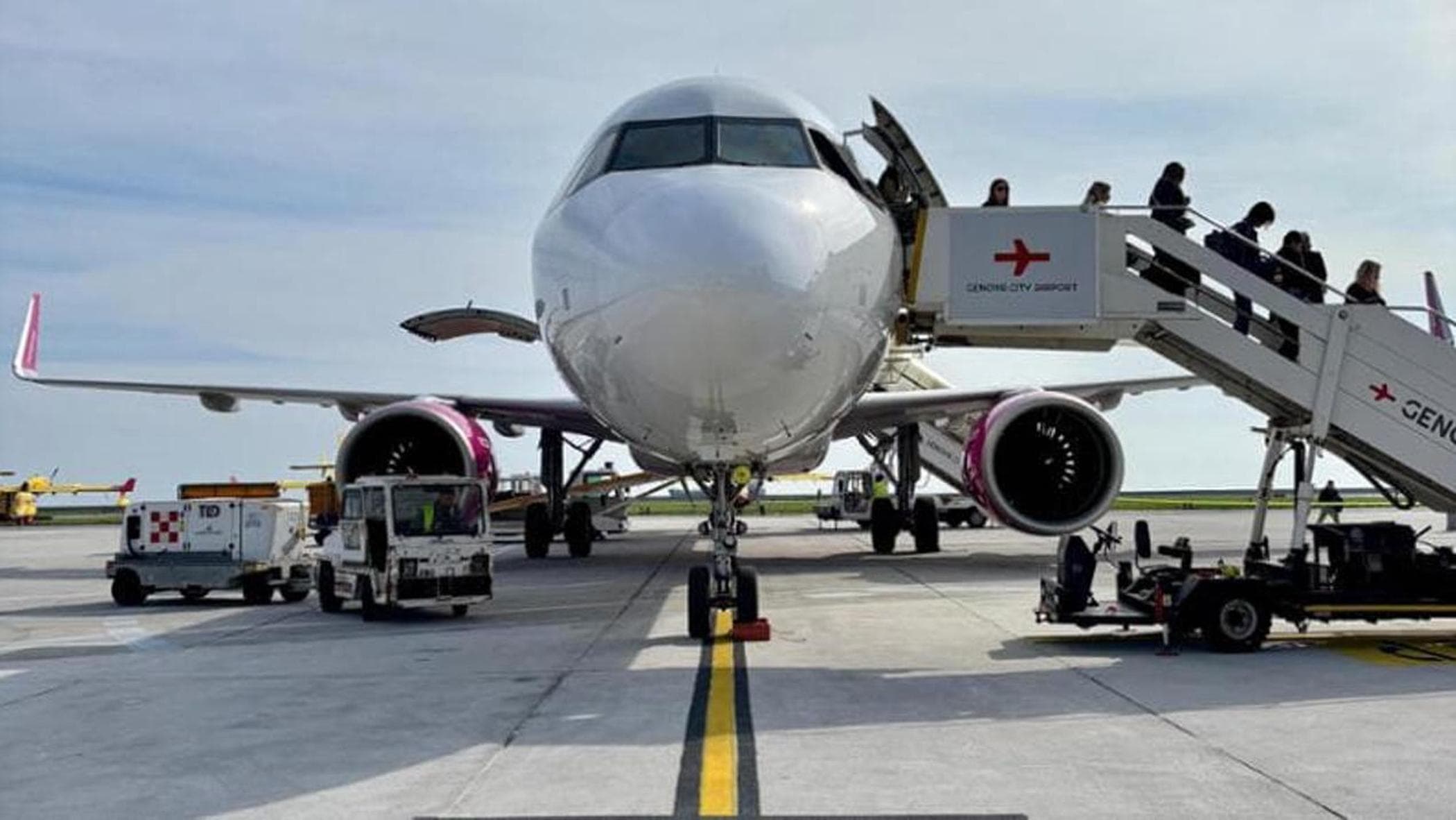
Genoa's Cristoforo Colombo airport suspended its traffic on Thursday 19 November 2026, from 20:10 until a little after 22:00. A no-fly zone was established over the airspace surrounding the runways, then lifted after verification.
An Ita Airways flight to Rome Fiumicino remained stuck on the tarmac without authorisation to take off, its passengers disembarked and then taken back on board.
Descriptions of the objects differ from one source to another. The ANSA agency mentions three luminous objects seen at around 20:20 above the port area, heading towards the basin adjacent to the runway, seen from the control tower and absent from radar.
La Repubblica cites five drones, three west and two east of the runway, with a report transmitted by the tower at 20:30. Il Post broke the story in Italy on Thursday 19 November 2026.
A light aircraft passed two minutes before the closure
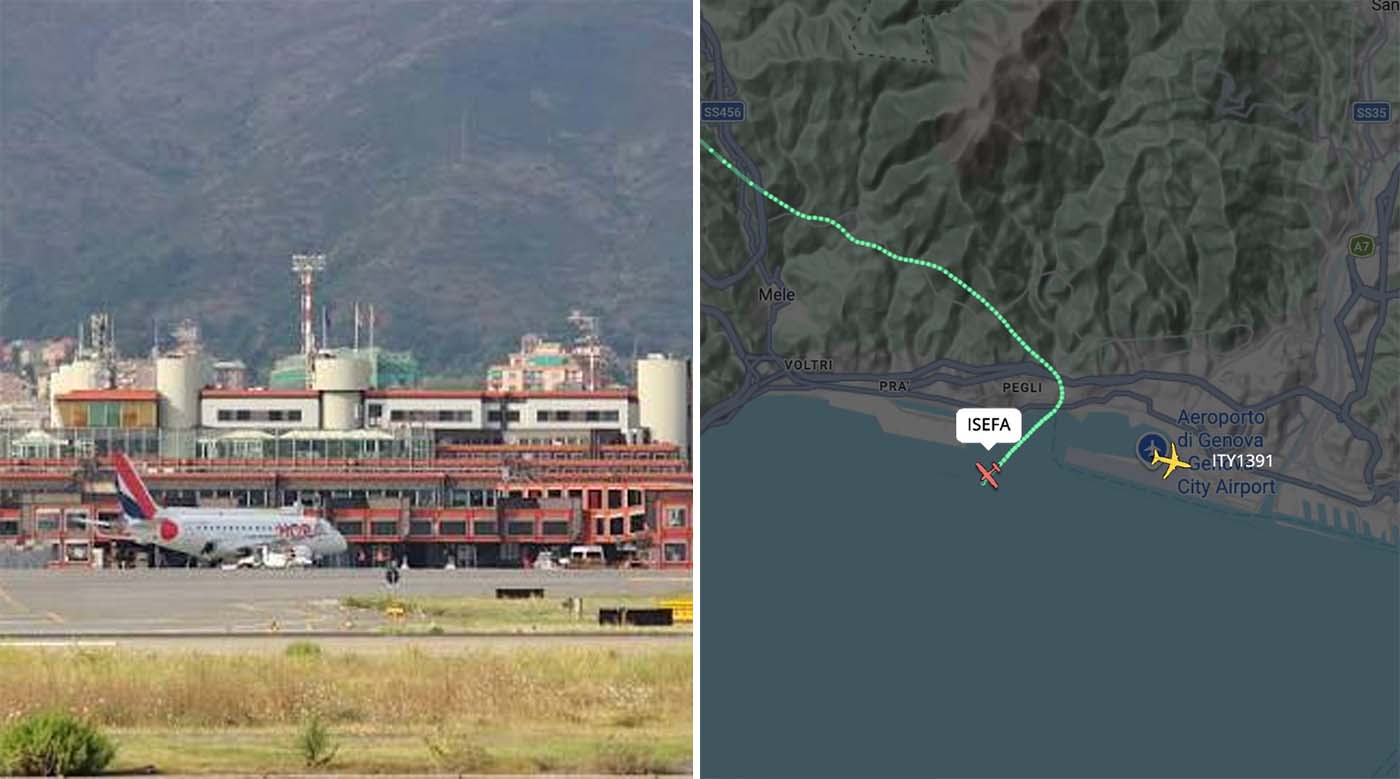
On 21 November 2026, the OSINT researcher Take That, Clouds published on X a FlightRadar screenshot showing a light aircraft that had flown along the airport two minutes before the closure. He then reconstructed, using the open-source tool Sitrec, what the aircraft could have looked like from the control tower: its lights could have resembled those of a drone.
At the time of the report, the aircraft was already several miles from the airport.
The researcher speaks of a case of mistaken identity, without settling the question. His demonstration does not establish that the aircraft was the cause of the alert: the exact time, trajectory and position of the reported objects remain to be verified independently.
The detail of the visual reconstruction from the control tower is published by the Dutch media outlet that relayed the analysis.
An investigation by the public prosecutor's office for endangering aviation safety
The public prosecutor's office in Genoa has opened an investigation. The offence under examination is the violation of Enac rules on the safety of air navigation, according to the account of the Italian investigation.
The border police, the Digos and the port authority are taking part in the investigations. The magistrates, coordinated by chief prosecutor Nicola Piacente and deputy prosecutor Federico Manotti, are awaiting their report. No drone or remote pilot has been identified at this stage, and one of the hypotheses under consideration is a flight that deviated from its authorised trajectory.
The criminal classification concerns the endangerment of safety, not the nature of the aircraft. It therefore says nothing, in itself, about the presence of a drone above the port.
The case is linked to the reports of five drones in Genoa and the opening of the investigation, with the exact count still disputed between three luminous objects and five drones depending on the news outlet.
European comparisons and preparation of a sensitive area
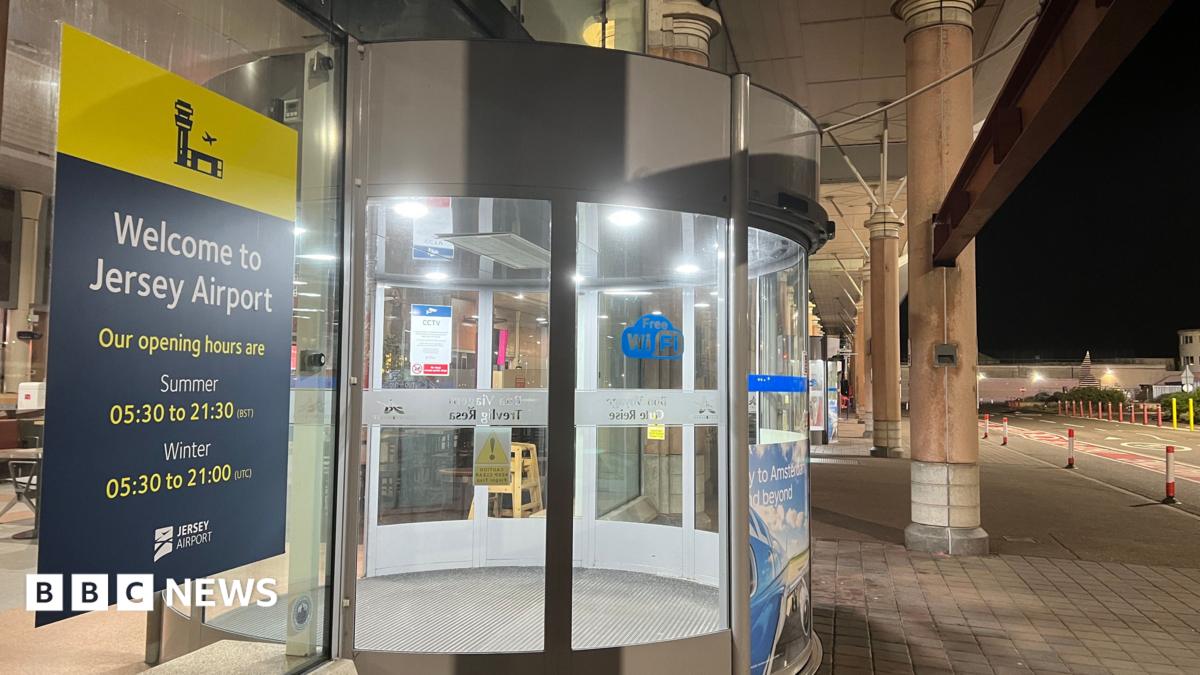
Jersey Airport experienced two consecutive evenings of disruption, on 31 October and 1 November 2026. The island's police estimated that “two or three” drones had entered the restricted airspace on Saturday evening, with no link to terrorism.
Chief Minister Lyndon Farnham announced work with the British authorities on enhanced detection and counter-drone measures, and Loganair accommodated passengers on cancelled Southampton-Jersey flights before bringing in additional aircraft from Scotland, as recounted in the account of the two nights of disruption in Jersey.
The financial cost of an unconfirmed alert can be heavy. In 2024, the investigation into drones reported at RAF Lakenheath cost British taxpayers more than £600,000, without any drone being confirmed, an episode comparable to the Lakenheath alert explained by three light aircraft.
For a professional remote pilot, the lesson lies in corroboration. A luminous object seen from a tower and absent from radar is not enough to identify a drone, nor to identify a pilot.
Declared flights, logbooks and telemetry traces are the most direct defence if an intrusion is reported near an area where the aircraft was operating legally. The reverse also applies: a real intrusion can be dismissed too quickly if detection is limited to visual testimony.
In Genoa, the public prosecutor's investigation continues without any drone or operator identified.
← Back to home · Search · Suggest a topic · Lire en français / Read in French