
Incidents — FR
Caen: court examines legal basis for prefecture's drones
The applicable rule and the status of the litigation
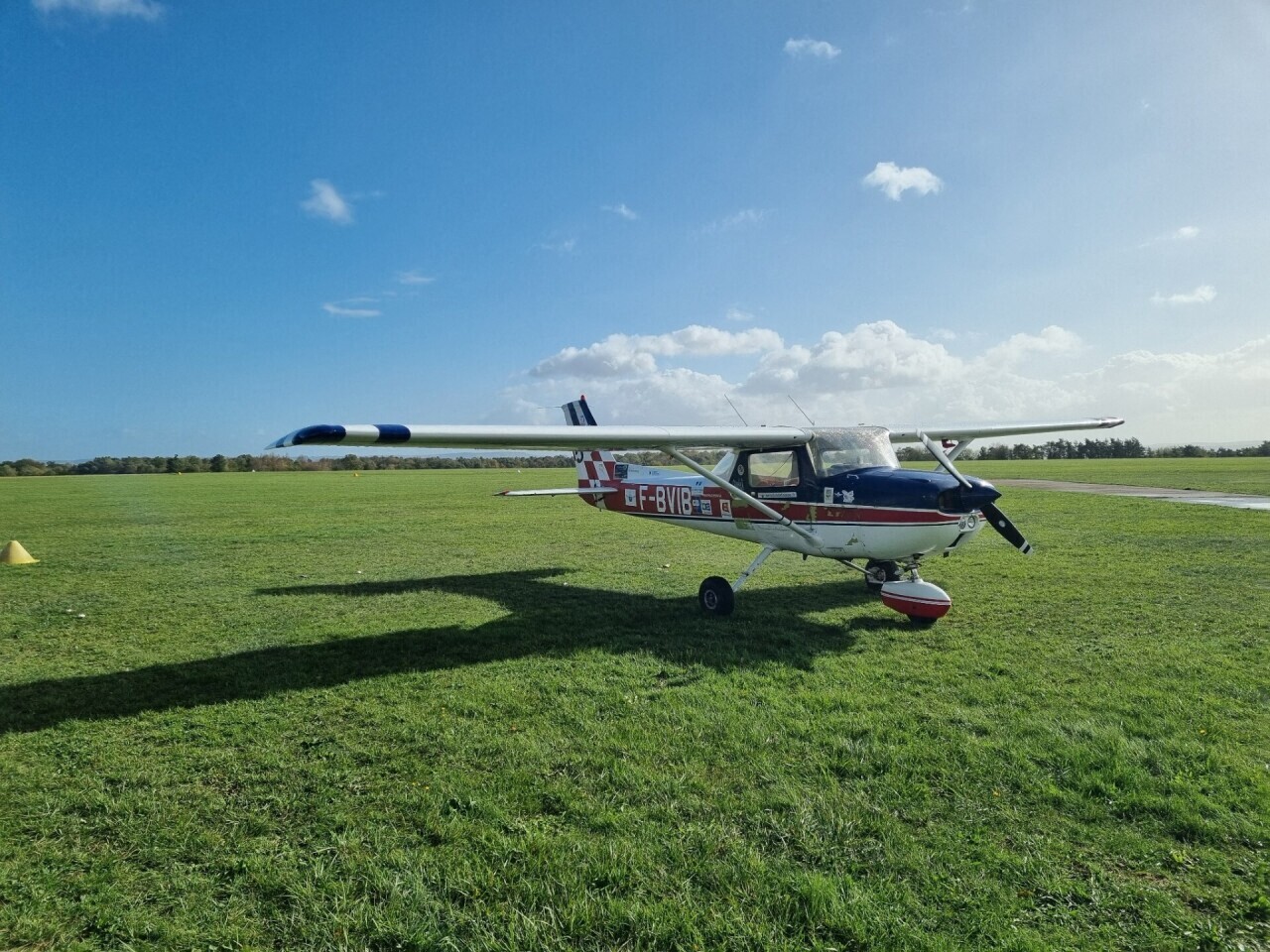
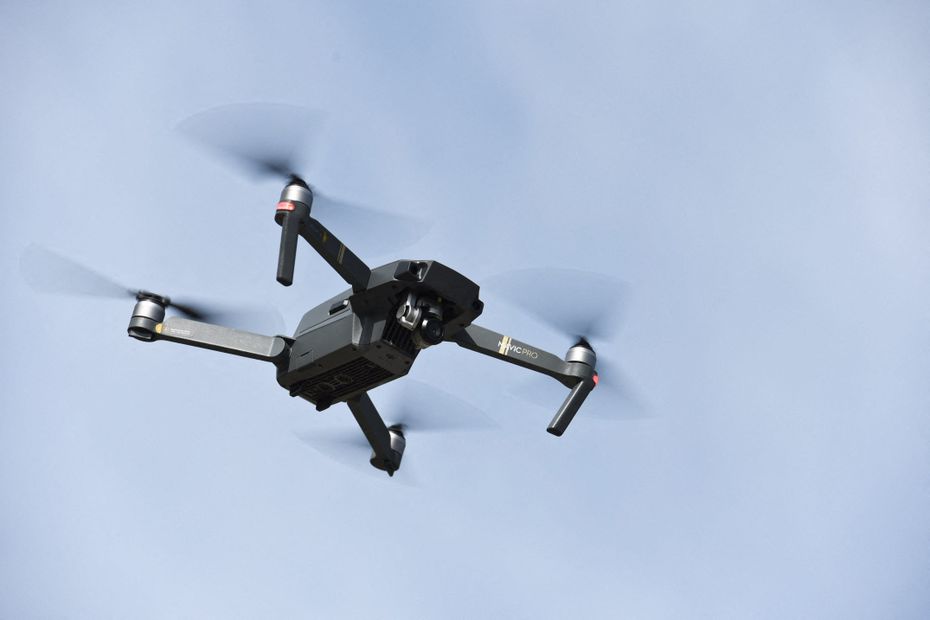
Image capture by an unmanned aircraft on behalf of the police or the gendarmerie is subject to a legal regime already in force. The public rapporteur reminded the hearing of this: the use of drones is “very codified by law”, and the Constitutional Council has attached interpretative reservations to this regime.
An authorisation holds only if the scheme is strictly necessary and suited to the situation, and if the prefect has verified that a less intrusive means was not available. Privacy is the checkpoint.
The framework is not draft legislation: it applies, and it is its application that is being challenged in Caen. Three associations – the association for the defence of constitutional freedoms, the Syndicat des avocats de France and the Syndicat de la magistrature – are seeking the annulment of two prefectural orders adopted for the mobilisations of 18 September 2025.
The hearing was held on 19 November 2026. No decision has been given at this stage, and the lawfulness of the prefectural scheme remains to be established.
What the two orders authorised
The first text covered the Porte de Bretagne roundabout, on the edge of Caen and Bretteville-sur-Odon, at the start of the A84, between 5am and noon. The second targeted Caen city centre between 7am and midnight.
The prefecture had adopted them in anticipation of blockades and a picnic; a week earlier, the “Bloquons tout” movement had blocked the ring road at the Calix viaduct and at La Vallée sèche, in Mondeville.
The first applications by the three associations were filed as early as 31 October 2025, less than two weeks after the mobilisation of 18 September, as detailed in the record of the two contested orders.
The mechanism was renewed a year later. On 1 October 2026, the prefecture authorised the police to film the surroundings of lycées from 7am to 7pm, while several schools in Caen were blockaded.
Five unions (CGT, CFDT, FO, FSU, Solidaires) asked the prefect in an open letter to end these flights over and around schools.
The configuration recalls that of the police drones authorised over lycées in Tours, where the prefectural authorisation had followed the same pattern.
The test applied by the public rapporteur
On admissibility, the public rapporteur rejected the prefecture’s defence, which described the applications as “inadmissible and unfounded”: the three associations have a national scope of action and standing to bring proceedings.
On the merits, he noted that no document in the file establishes that the police could not deploy other, less intrusive means, or use the CCTV cameras already installed, since the zoning adopted was not incompatible with the disturbances observed the previous week.
He recommends the annulment of the two orders. This opinion does not bind the judicial panel, which alone remains to decide the fate of the authorisations, in litigation where the justification for the use of drones by a public authority is at the centre of the debate.
What remains open in the jurisdiction
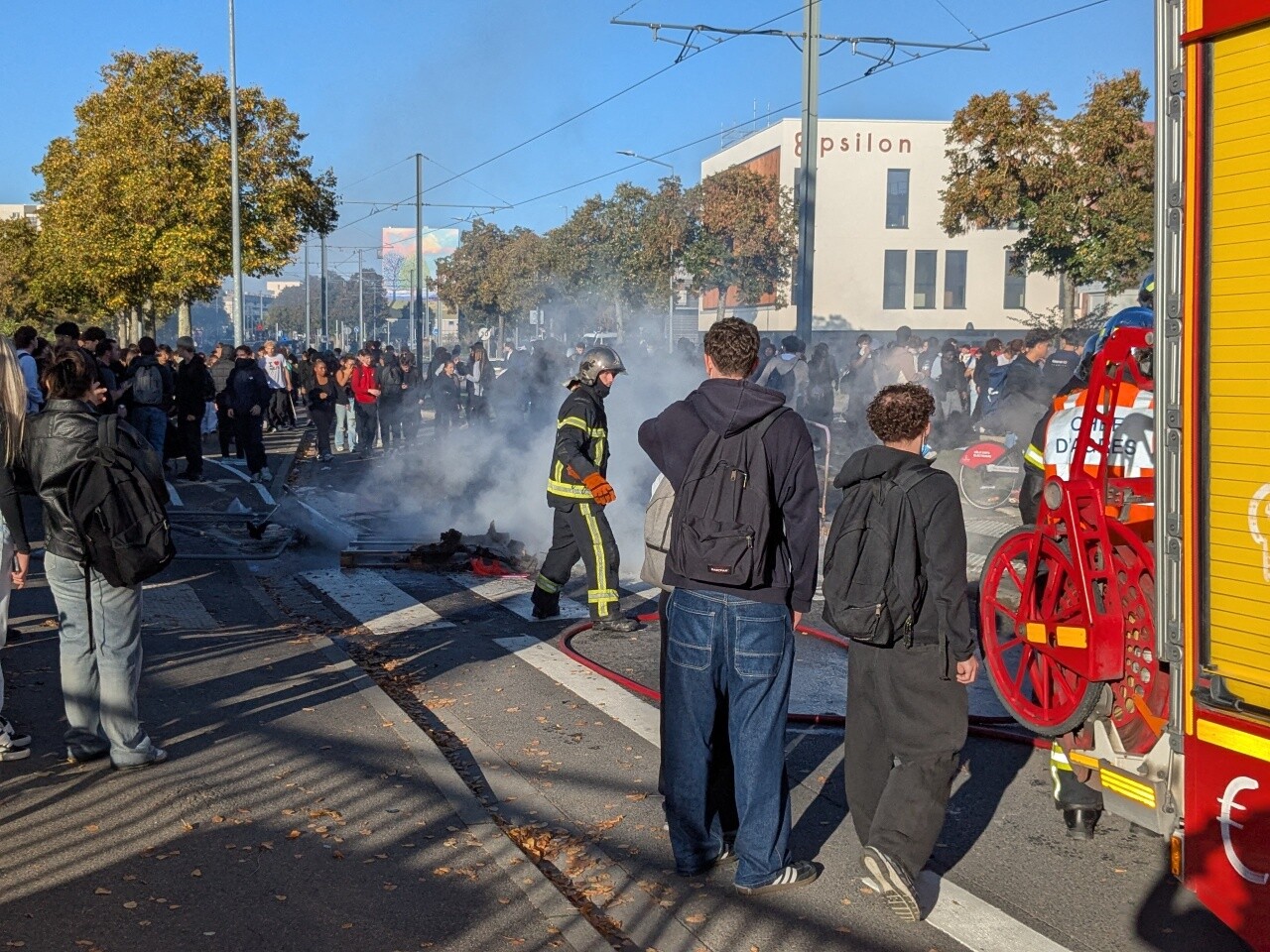
The decision has not been given. The events that followed the hearing recall what these authorisations regulate: on 17 October 2026, mortar fire rang out on Place Saint-Sauveur around 5.15pm, protesters faced the security forces around 6.45pm near the prefecture, and 200 to 300 people reportedly entered the municipal police car park.
Other uses exist in the same department. At around 2.40am on the night of 25 to 26 April 2026, guards at Ifs prison, near Caen, spotted a drone positioned about 30 metres above the prison.
Overflying closed facilities has already led to convictions, in particular in the case of the drone deliveries tried in Saint-Malo.
The prefect has also authorised, until 15 November 2026, image capture by the gendarmerie over the aerodromes of Deauville, Saint-Pierre-des-Ifs near Lisieux and Monts-d’Éraines near Falaise.
Deauville aerodrome covers 222 hectares; the LFRG platform, in the commune of Saint-Gatien-des-Bois, handled 65,664 passengers in 2023 and has a 4,000 m² terminal inaugurated on 17 May 2024.
The association Vigie Liberté, which sought their suspension, had its application rejected by an order of the interim relief judge of 20 August 2026, since made public.
Calvados covers 5,535 km² and 526 communes, with 709,441 inhabitants in 2023, or around 128 inhabitants per square kilometre. In a territory of this density, each authorisation is read on the scale of a perimeter and a time slot, which the two Caen orders describe precisely.
← Back to home · Search · Suggest a topic · Lire en français / Read in French