
Incidents — FR
Béziers: a couple sentenced for a drug delivery by drone into prison
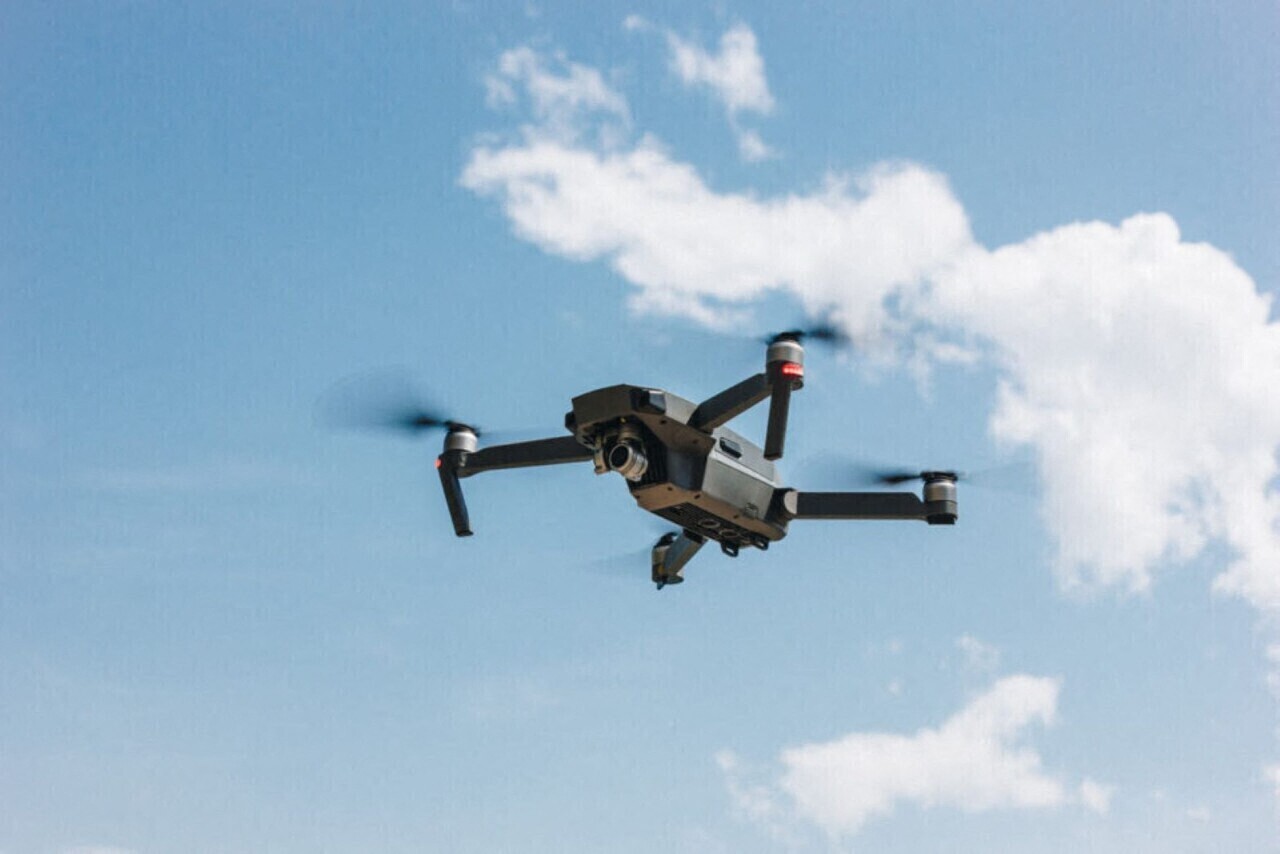
The sentences handed down on 30 October in Béziers
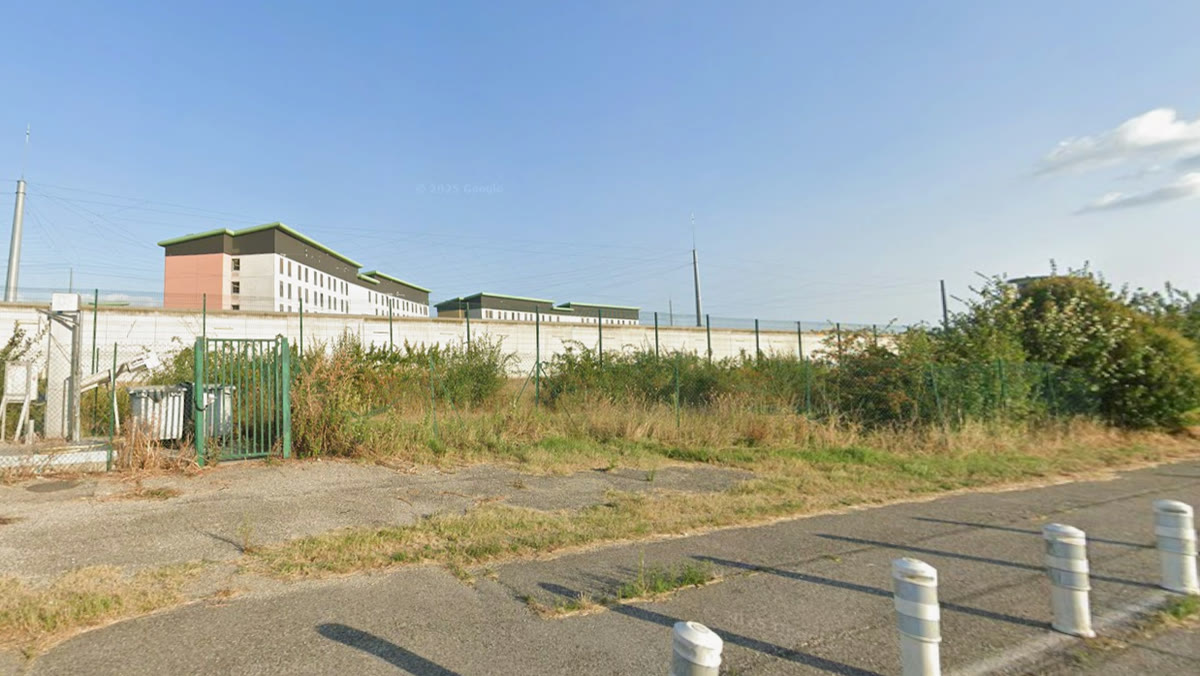
The public prosecutor of Béziers, Arnaud Faugère, set out the details of the two decisions on 3 November 2026. The driver of the vehicle was tried on Friday 30 October 2026 in an immediate appearance hearing and sentenced to fifteen months' imprisonment with a committal warrant.
The passenger appeared the same day under the prior admission of guilt procedure for complicity in the attempted illicit introduction of an object to a detainee. She was sentenced to six months' imprisonment, suspended, and to a ban on appearing in the vicinity of the Béziers prison for three years.
The exact charge retained against the driver was not specified in the information released by the prosecutor's office. His criminal record, however, is documented: the 18-year-old man had been sentenced on 8 April 2026 by the Aix-en-Provence criminal court to one year and three months' imprisonment, six months of which suspended with probation, for the irregular introduction of an object to a detainee and for the transport and possession of narcotics.
Both decisions of 30 October were handed down at first instance; nothing in the published information indicates that an appeal has been lodged.
An attempt retained, a delivery that did not take place
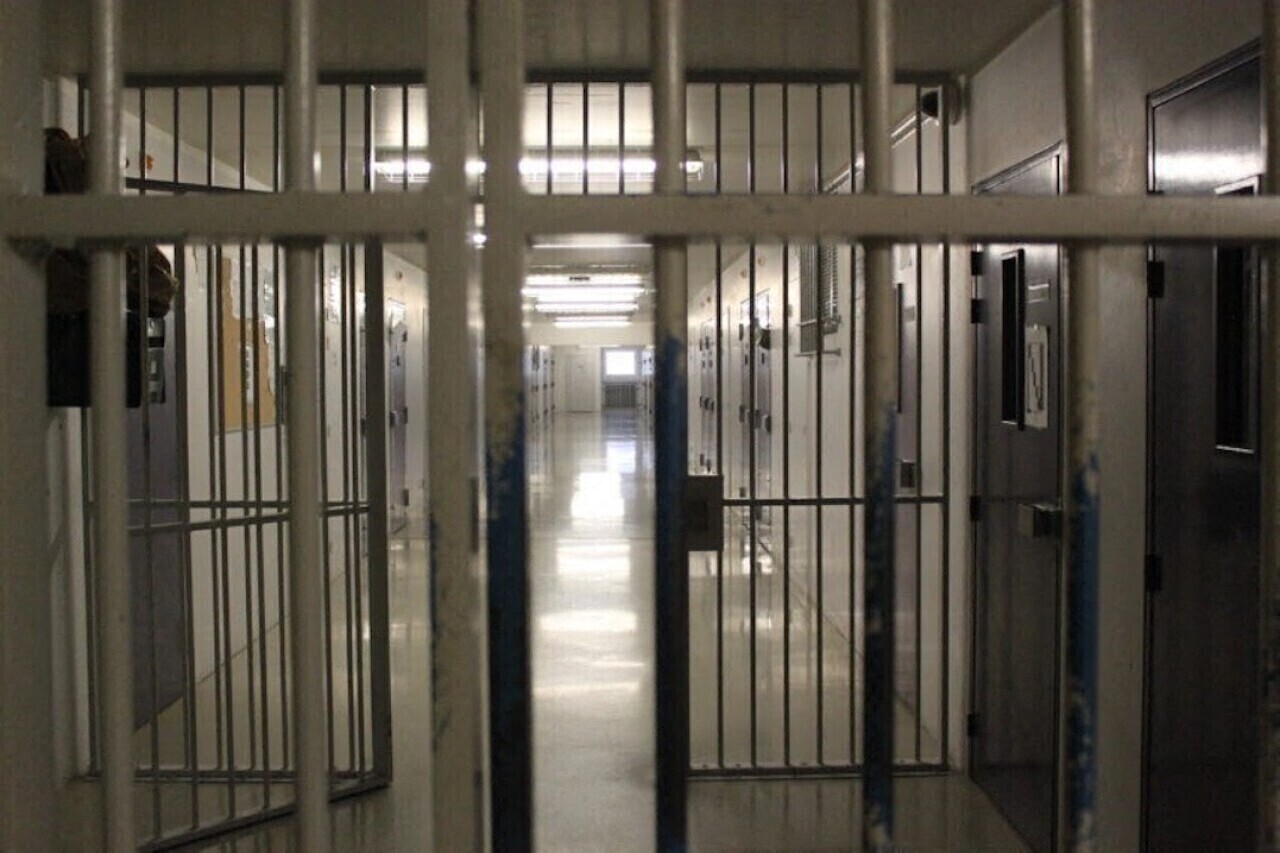
The events date back to the night of 27 to 28 October 2026. Police officers in Béziers were conducting an operation in the vicinity of the Gasquinoy prison. The vehicle was stopped on an isolated rural road, in the immediate vicinity of the establishment.
One of the occupants was carrying a drone and a parcel whose packaging matched that usually used for projections or illicit deliveries into detention. Opening the package led to the seizure of 97.25 grams of cannabis and 29.10 grams of cocaine.
The investigation established the division of roles: the passenger was driving her accomplice to the location, and the latter was to collect the drone in order to carry out the delivery. What is retained is therefore the preparation, not the outcome.
No information released establishes that a flight took place that night, nor that the parcel reached the detention area. The drone was in the vehicle at the time of the stop.
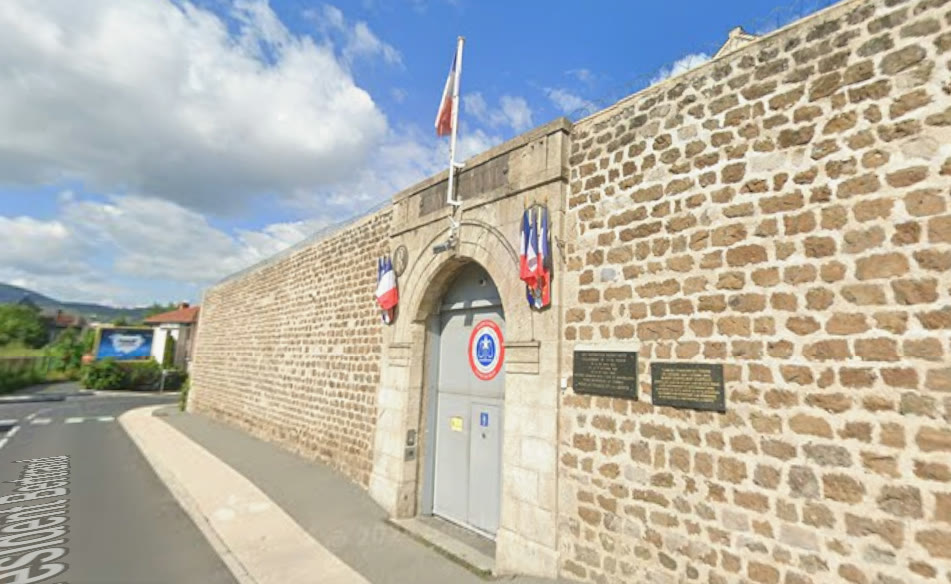
Other cases present a different configuration. In Le Puy-en-Velay, a local resident alerted the police on the night of 29 to 30 August 2026 after seeing a drone heading towards the remand prison on boulevard du Président-Bertrand.
The drone found in the boot of the Twingo had an empty battery and no SIM card, which left open the question of whether a flight had actually taken place. The two defendants, from Saint-Priest, were sentenced to twelve months' imprisonment with two months' probationary supervision for one, and to eighteen months, twelve of them suspended, for the other.
Prosecutions that do not depend on the parcel arriving
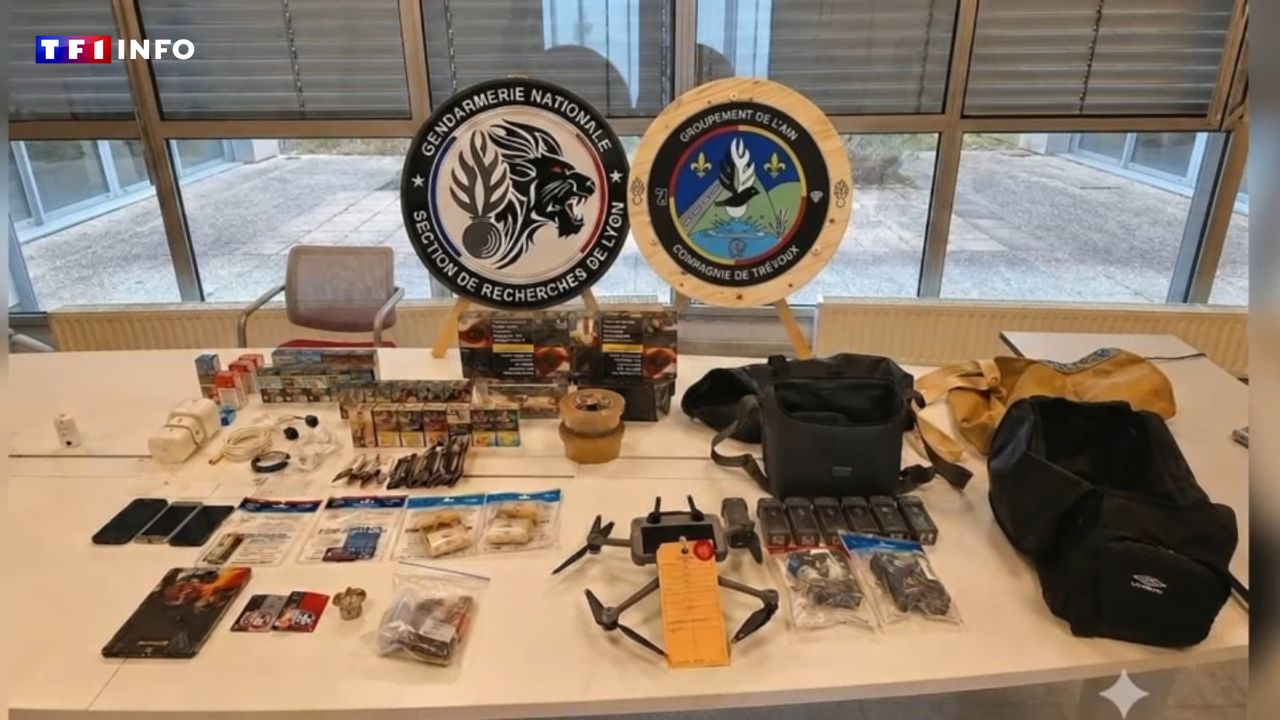
In Draguignan, three people were arrested on the night of 29 July 2026 after several drones were reported flying over the remand prison. The police seized drones, narcotics, telephones and the equipment used to prepare the parcels.
Tried on 31 July in an immediate appearance hearing, the man received two years' imprisonment and the woman one year; both were taken into custody. The 17-year-old minor was remanded in custody pending his trial.
In Valence, on the night of 11 to 12 September 2026, it was the remand prison itself that contacted the police about a drone flight. A check on a vehicle parked near the establishment led to the arrest of two women and a man aged 24, 26 and 42, who had come from Grenoble and were carrying telephone cables, rolling papers and cannabis resin.
They admitted being at the scene to deliver goods to detainees.
The scale of the phenomenon is apparent in a case in Villefranche-sur-Saône, where more than 1,800 deliveries were recorded in less than two months according to TF1 Info. The cases cited share one point: a report of a flight is enough to trigger a police operation, a vehicle check and a search.
What the decision changes for a professional remote pilot
An operator flying near a prison, for a roof inspection, a survey or a film shoot, enters the same perimeter of checks as the cases judged here. The trigger is not the nature of the mission, but the presence of a drone and a vehicle in the vicinity of a prison perimeter.
Checking no-fly zones before take-off remains the first barrier, and it also applies to automated flight plans prepared remotely.
The detection means available to establishments and the exact penalty regime applicable to unauthorised flights remain to be clarified. The published cases document arrests and convictions, not the detection tools or the gradation of penalties according to the nature of the flight.
A remote pilot whose aircraft is found near a prison with no connection to the detention finds himself in a situation where the burden of explanation falls on him.
The ban on appearing in the vicinity of the Béziers prison runs, for its part, for three years against the convicted passenger.
← Back to home · Search · Suggest a topic · Lire en français / Read in French