
Incidents — UK
At RAF Lakenheath, three light aircraft explain the drone alert
On 13 November 2026, at around 16:30 GMT, the RAF Lakenheath base in Suffolk responded to suspected drone activity. The US Air Force said its security forces had responded to reports of unauthorised activity and that no personnel, aircraft or infrastructure had been affected.
The 13 November alert and the American response
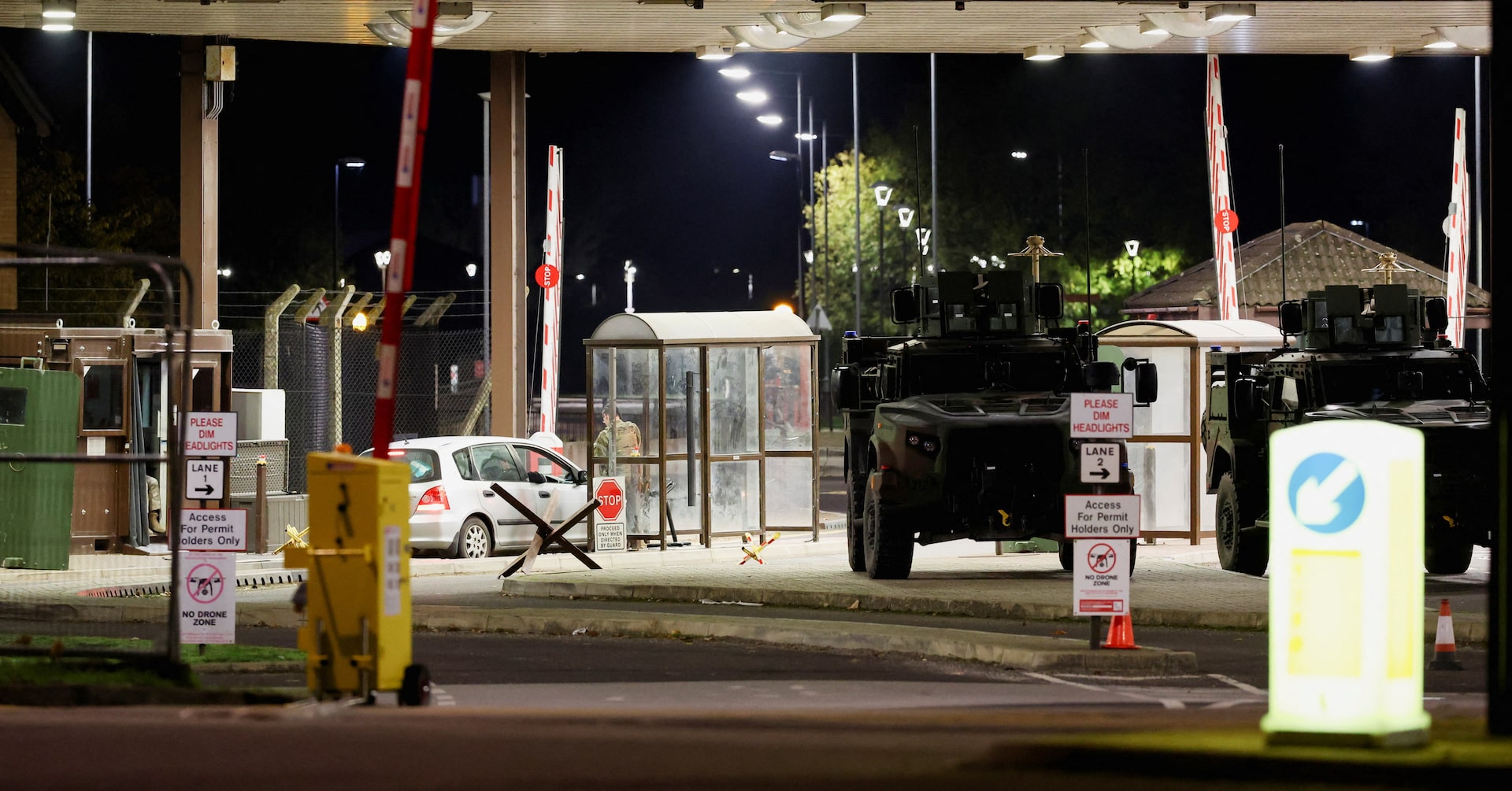
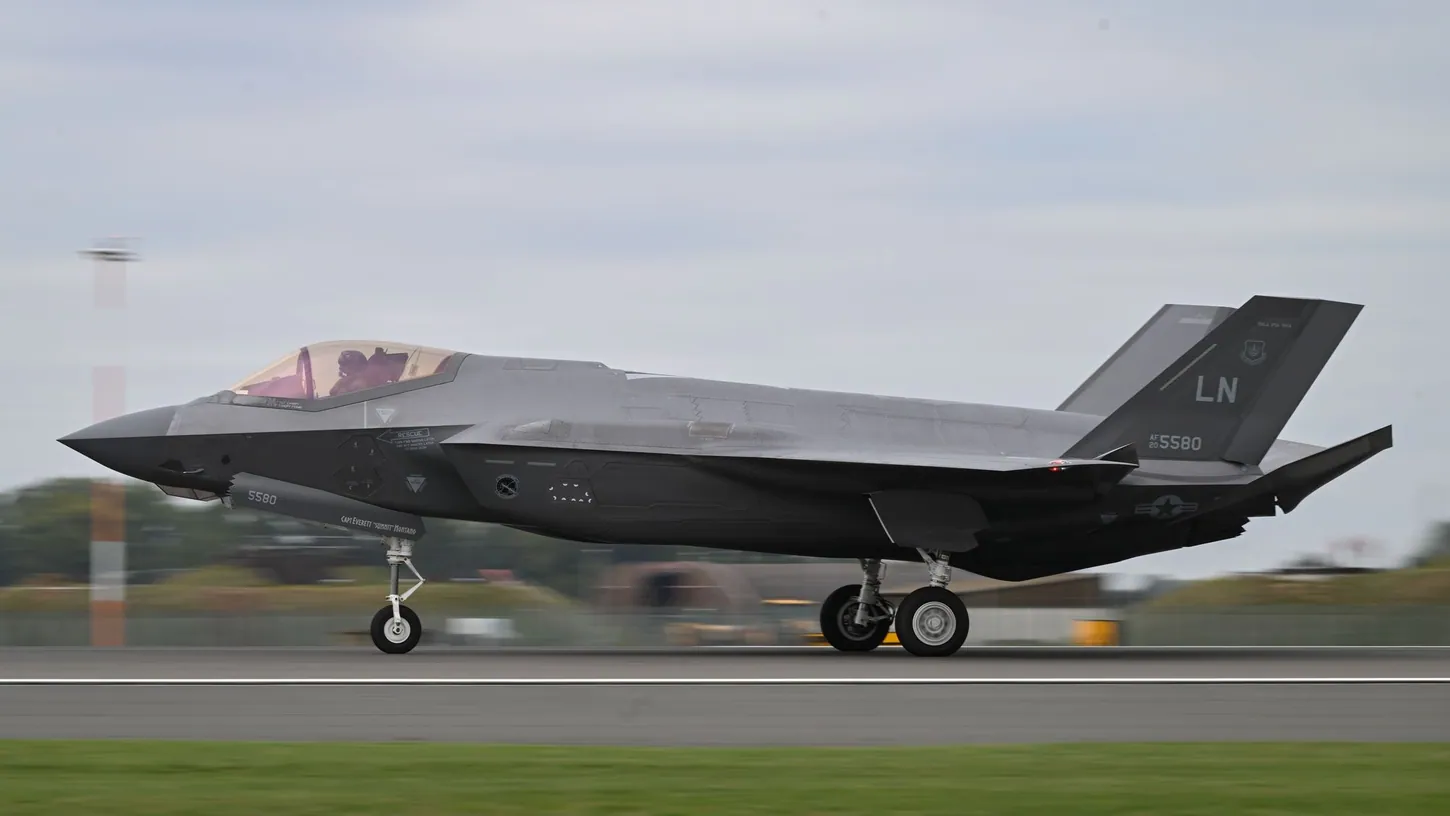
The base hosts F-35As of the 48th Fighter Wing and US Air Force personnel. Civilians working within the perimeter wrote on Facebook that they could not leave the buildings during the alert.
The Conservative MP for West Suffolk, Nick Timothy, said he had been informed by base authorities that there was no threat to the public.
The US Air Force statement was issued on 13 November 2026 at 20:47 UTC, then updated the same day, according to Reuters' account of the events.
The British Ministry of Defence said that US Air Force security forces had responded to the reports and that the situation had been resolved. It said it was working with the Americans to establish the facts.
The USAF had previously called on social media for people living near its bases to report any drone activity.
Three Cirrus SR20s, only one transponder
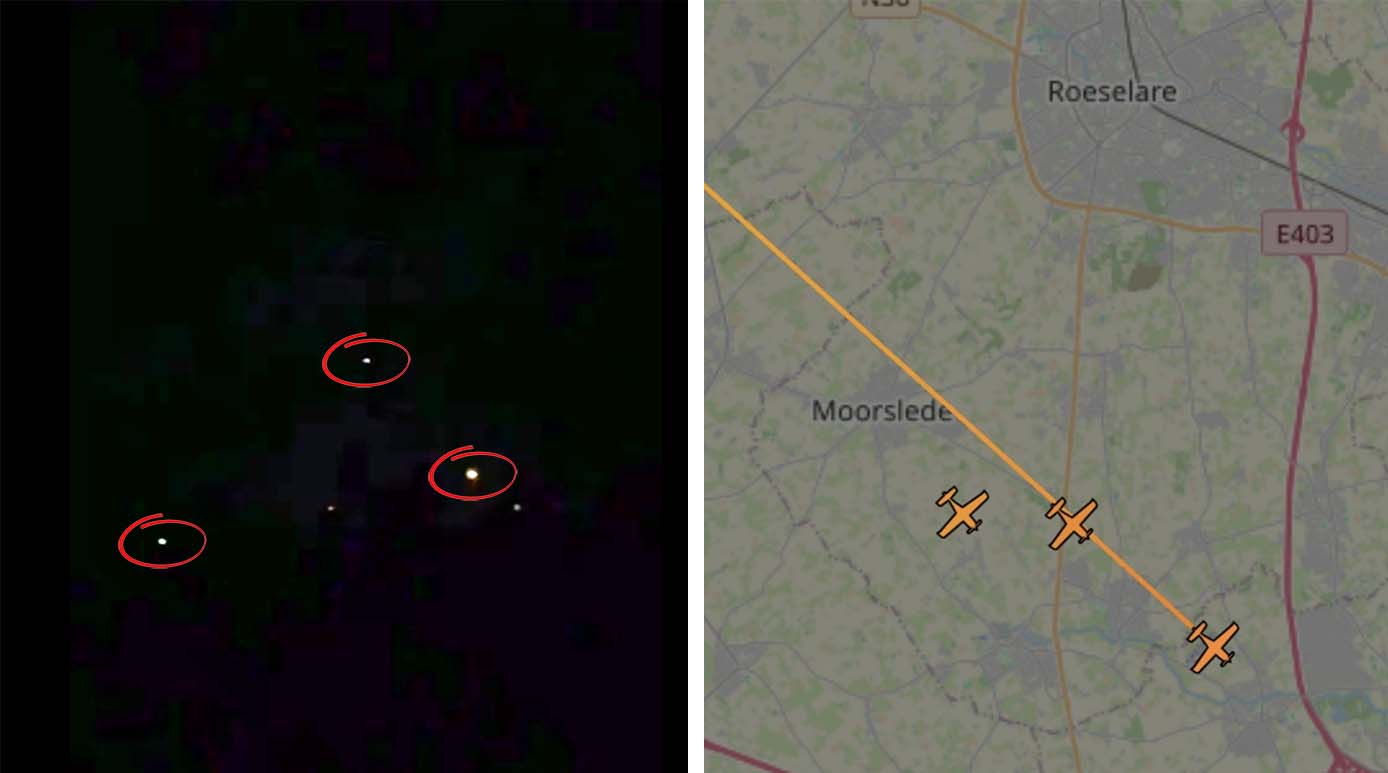
Sam Rutherford, a former British Army pilot, says he flew one of the three Cirrus SR20s that crossed Norfolk on 13 November. The formation was being ferried from Scotland to Belgium, before continuing to a flying school in India.
He told the BBC: “It was definitely us”. The timing, location and number of aircraft matched the reports, according to his account reported by AviNews.
The three aircraft took off from Stornoway, in the Outer Hebrides, then crossed The Wash before entering Norfolk airspace. Accounts differ on altitude: about 6,000 ft (1,800 m) according to one, 9,000 ft (2,750 m) according to another.
The USAF did not comment on the pilot's statements.
A video taken at Gayton, a Norfolk village about 37 km north of Lakenheath, shows three flashing lights moving in a triangle at dusk. The online user @TakeThatClouds geolocated the footage and the BBC verified the location, without confirming the date or time it was recorded.
Flight-tracking sites showed only one aircraft of the same model and registration in the area at the same time.
Only one of the three Cirrus had its transponder switched on, which the pilot presents as common practice in close formation. The other two therefore did not appear on public trackers. This type of discrepancy between the number of visible aircraft and the actual number complicates identification, as during the flight disruption in Jersey.
What the procedure establishes, what remains open
The US Air Force statement does not say what its security forces saw. It refers to “suspected unauthorised drone activity” and does not confirm that drones were identified.
The British Ministry of Defence said it was working to establish the facts. No sensor used during the initial alert was named publicly, and no procedural correction was announced.
The question of detection means and any adjustments under consideration therefore remains without a public answer. The pilot's explanation provides a body of corroborating evidence, without official validation from the USAF.
Two days later, on 15 November, videos showing three aircraft over Chișinău revived speculation about drones. Moldova's civil aviation authority said they were three Cirrus SR20s arriving from the Czech Republic.
The three aircraft landed without incident at Chișinău International Airport.
The authority also said the aircraft had had difficulty receiving GPS signals while waiting to land, which led controllers to guide them. The same type of confusion between a light aircraft and a drone had therefore occurred again within three days, more than 2,000 km apart.
The runway closure caused by drones at Leipzig/Halle is a reminder that airports handle these reports with burdensome procedures.
What this means for drone operators
For professional remote pilots, the episode is a reminder that the credibility of restrictions around aerodromes depends on the ability to distinguish a drone from a light aircraft.
An alert based on lights, a number of aircraft or a partial tracking trail can trigger a security response without any drone being confirmed. In 2024, an investigation into reports at RAF Lakenheath cost British taxpayers more than £600,000, without any drone being confirmed.
The precedent weighs on how aerodrome operators and law enforcement subsequently justify restricted zones and checks. The RAF deployment to Jersey after drone incursions shows that the military response can be rapid, even when identification remains uncertain.
The USAF did not comment on Sam Rutherford's statements, and no procedural correction was announced publicly.
← Back to home · Search · Suggest a topic · Lire en français / Read in French