
Incidents — Canada
953 drone deliveries in five years in a Quebec prison network
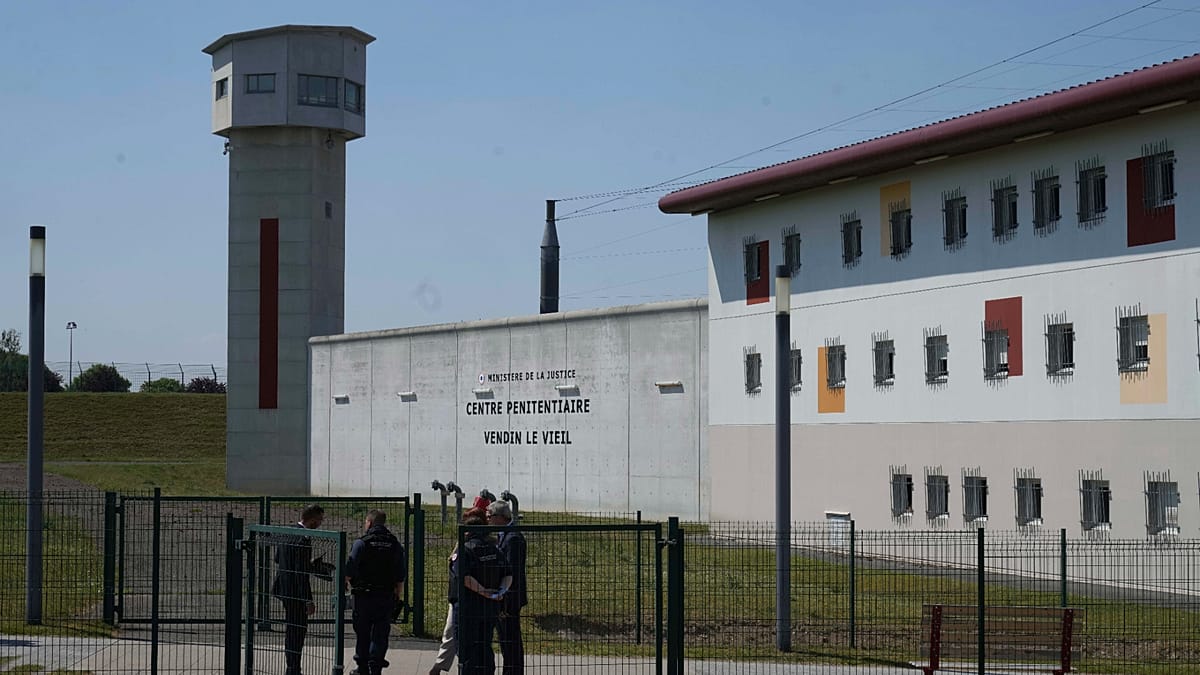
Just under two hundred parcels spotted per year

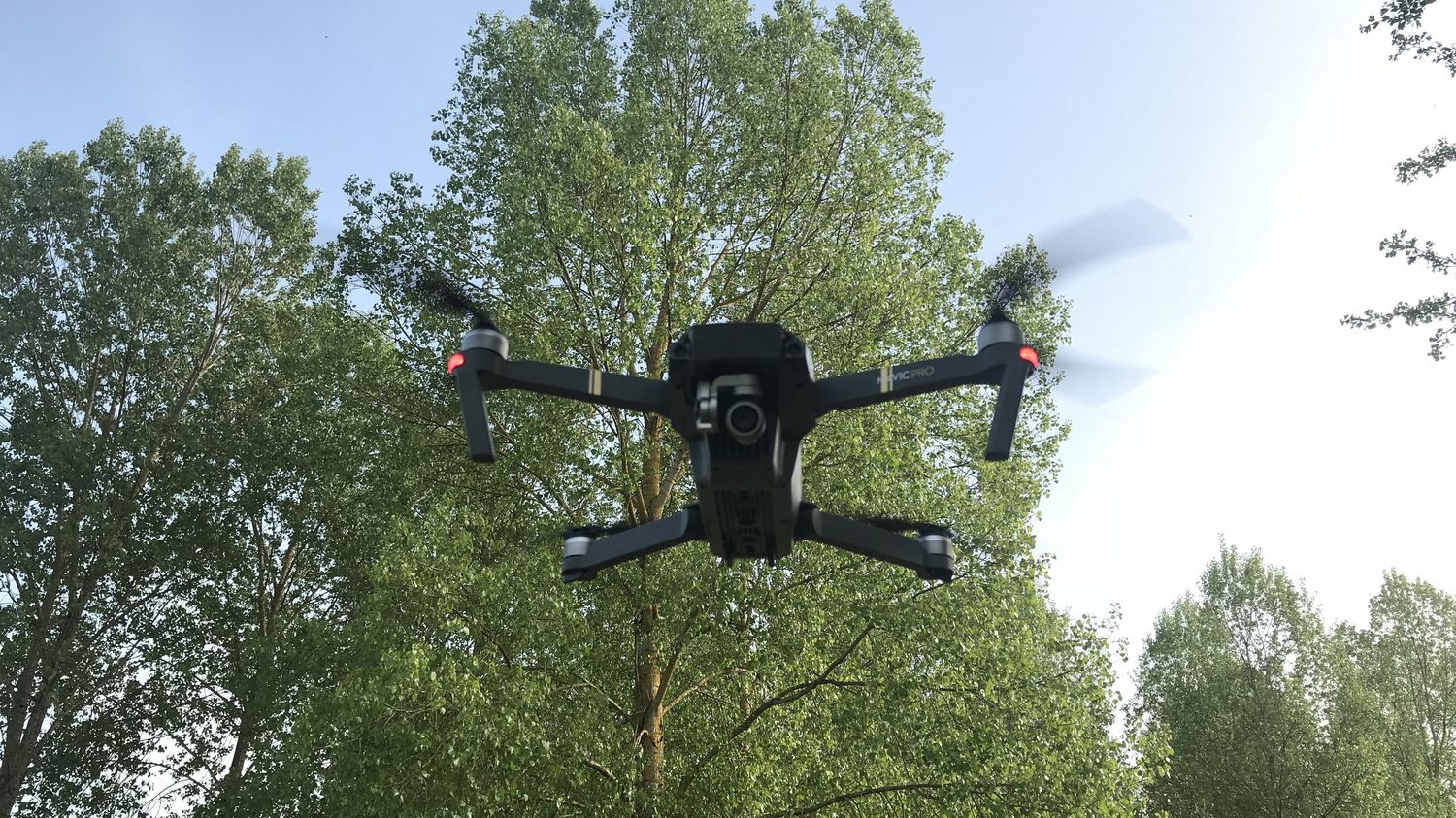
The assessment covers five years. In eastern Quebec, 953 parcels were detected in the prison network, just under two hundred a year. The count covers parcels spotted, not deliveries that succeeded.
An intercepted parcel is still an attempted delivery: the figure measures drone pilots' activity as much as the vigilance of the facilities.
Applied to a single facility, the same total would give around thirty parcels a year. This calculation assumes half a dozen sites in the area, which the overall figure does not break down.
The annual average erases differences between facilities. A prison overflown from a neighbouring park does not come under the same pressure as an isolated site, and the aggregate total says nothing about the weeks when flights are concentrated.
The area covered extends across several regions in the east of the province. The sites there are far apart from one another, and a drone flight is counted in kilometres: each facility forms its own target, with its own counter.
A regional total aggregates local situations with little connection between them.
The count also depends on how a parcel is found. A bag dropped in the yard is spotted by a patrol or a camera; dropped at night in a blind spot, it may not be discovered until the next day, or never.
The 953 units form a floor, not an exhaustive measure of the traffic. The figure does not say how many attempts failed without leaving a trace, nor how many flights were seen without the bag being found.
In Villefranche-sur-Saône, 1,826 deliveries in 51 days
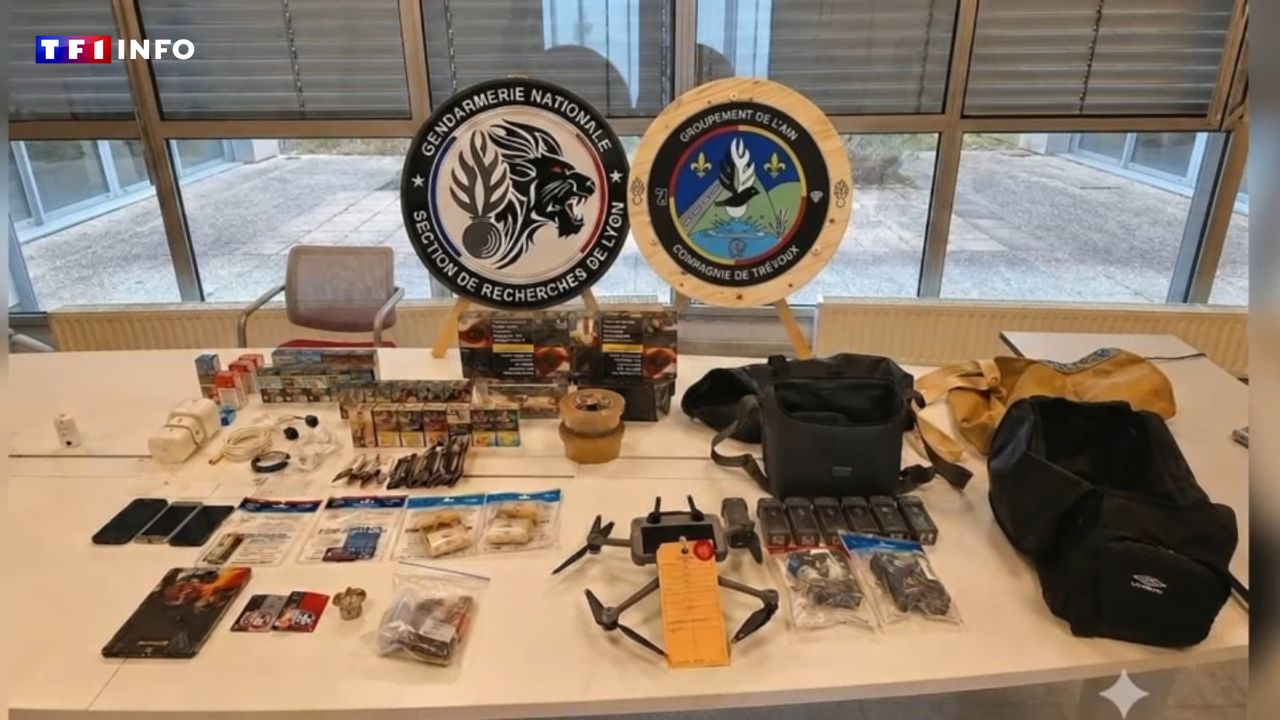
Villefranche-sur-Saône prison recorded 1,826 deliveries in 51 days, or around 36 per day. The two series are not comparable: neither the size of the facilities, nor the observation period, nor the counting method are identical.
The gap nevertheless gives an order of magnitude. What remains diffuse in Quebec appears concentrated at a single French site, over a short period.
Fifty-one days against five years: the ratio between the two durations, around thirty-five, explains part of the difference. It leaves the rest open, and the arithmetic is brutal. A single day at Villefranche-sur-Saône, with its 36 deliveries, exceeds the annual total attributed to an average Quebec facility.
No duration effect produces that gap.
Such a rate assumes several flights per night, and doubtless several drone pilots. The facility is overflown almost daily during the seven weeks of observation. The Quebec total, spread over five years and half a dozen sites, describes lower and much more dispersed pressure.
Fixed nets or detection: the responses diverge
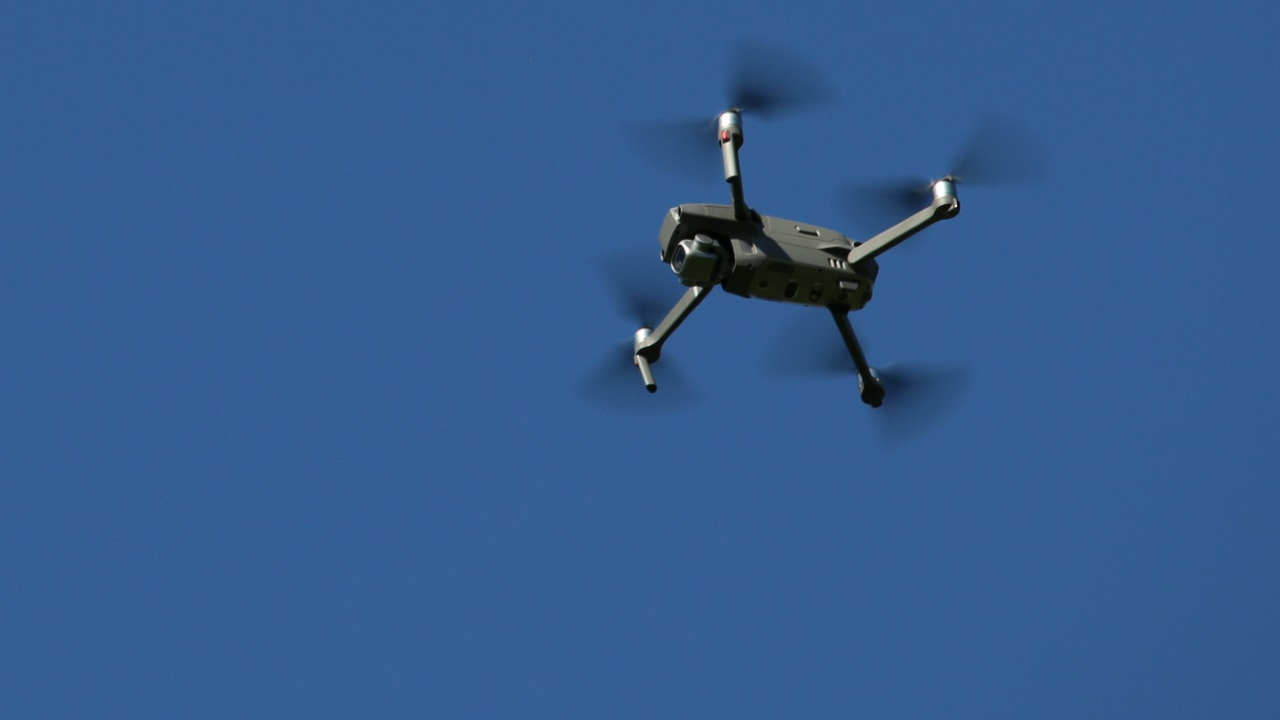
Responses diverge on either side of the Atlantic. Some rely on fixed nets installed above the yards, others on flight detection. A net stops a parcel; detection reports it.
The two systems do not produce the same type of trace, and the published figure depends on which one is installed.
A net leaves a dated interception, with a drop point and a parcel to seize. Detection leaves a report, sometimes with nothing to collect if the pilot dropped too high or too far from the target.
A net stretched above a yard also increases the number of parcels found without anyone knowing whether attempts have increased.
Counting parcels found over five years in Quebec and deliveries recorded over seven weeks in France amounts to adding two different things: a stock of seizures on one side, a flow of events on the other.
The comparison establishes a scale. It says nothing about the effectiveness of the systems deployed on either side.
← Back to home · Search · Suggest a topic · Lire en français / Read in French