
Software & services — EU
Percepto launches Axion, an AI platform independent of drones and sensors
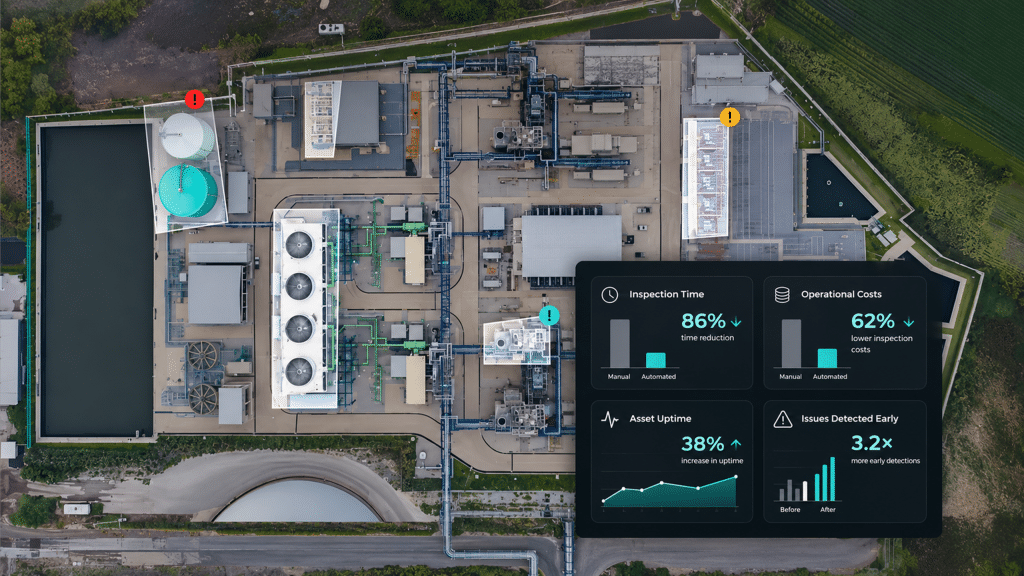
Axion aggregates inspection data without imposing proprietary hardware
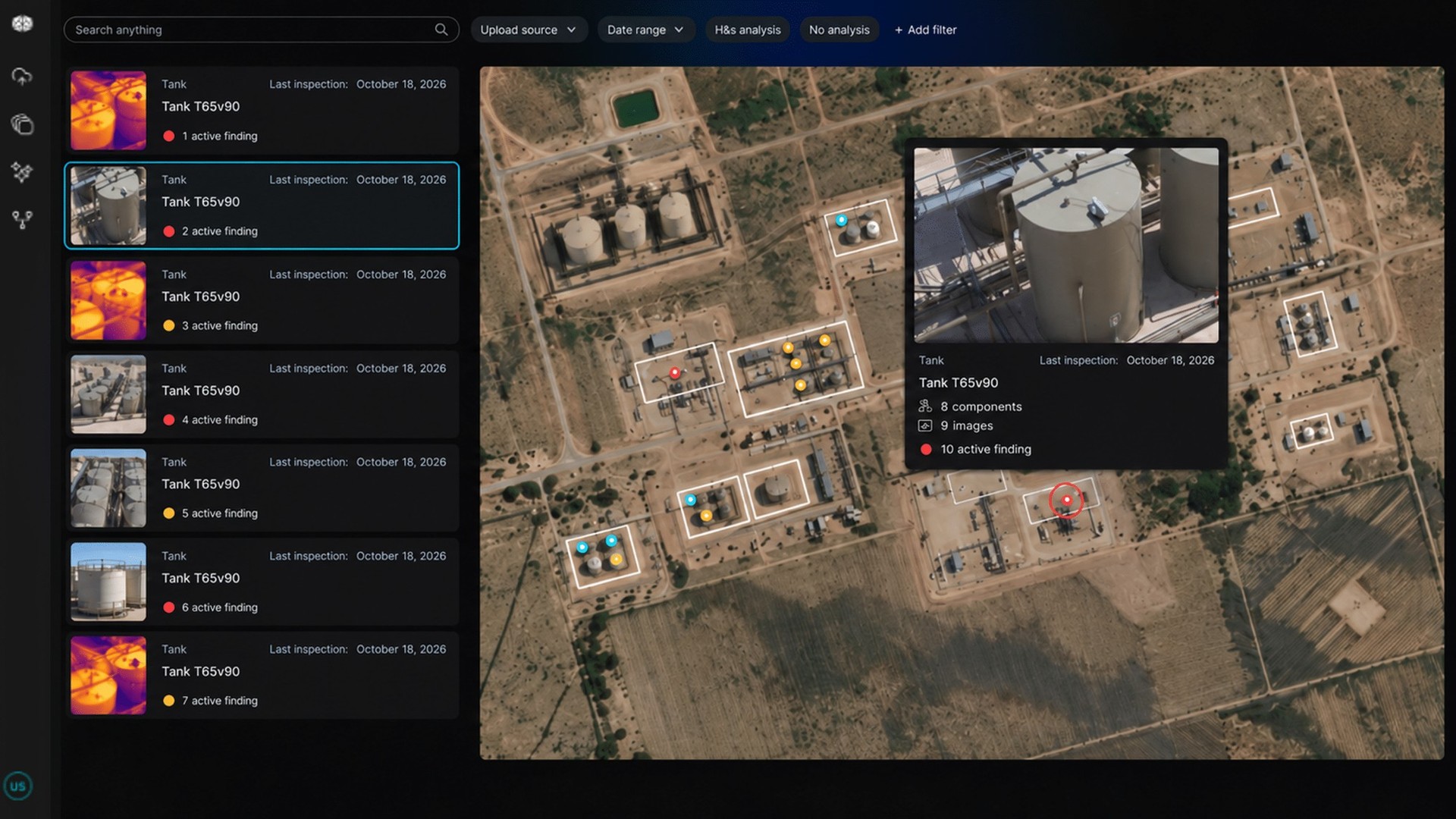
Axion ingests images and measurements from drones, fixed or mobile sensors (LIDAR, RGB, thermal, OGI), and organises them by asset. The platform then applies more than 160 specialised AI models, trained on more than 100,000 hours of real autonomous inspection data collected over more than ten years by Percepto. The aim is to turn this raw data into contextualised alerts: imminent corrosion, thermal anomaly, gas leak, etc. The models cover defect detection on pipelines, power towers, solar panels and wind turbines. The operator does not have to change fleet or standardise its sensors to use the tool. Percepto claims that analysis time for a dataset can fall from several hours to a few minutes thanks to automation.
Terms of use: SaaS, existing data and heterogeneous fleet integration
Axion is marketed from launch as software as a service (SaaS). Percepto says the platform can start with inspection data already collected by the operator: "From day one, a team can bring the inspection data it already has and see which assets require priority attention" (Julien Bellanger, CEO). No specific pricing model has been disclosed. The platform accepts data from existing or new fleets, third-party sensors and other collection channels. Supported formats include JPEG images, LIDAR point clouds in LAS format and CSV measurement files. Segments covered include oil and gas upstream, power transmission and distribution, downstream and renewables. The management team has been renewed with Julien Bellanger (CEO), Kurt Nantkes (CRO) and Amir Khoshniyati (CMO). Bellanger was previously a vice-president at Percepto; Nantkes comes from DroneDeploy and Khoshniyati from Intel's drone division.
Stated or observed limitations

Percepto does not specify the full list of third-party drones and sensors supported at launch. The press release refers to "existing or new fleets" and "third-party sensors" without naming models or manufacturers. Operators with DJI, Skydio or Freefly drones do not know whether they will be compatible without testing. The pricing model remains unknown, which prevents comparison of the cost with an integrated hardware+software solution. The platform relies on AI models trained mainly on North American scenarios. Percepto is based in Austin, Texas, and has an FAA waiver for BVLOS flights. Adaptation to European infrastructure and regulations is not mentioned. Differences in the design of power pylons or pipeline composition in Europe could reduce the accuracy of the models. Finally, the platform does not replace hardware: it makes it more useful, but the operator must still have compatible drones and sensors.
What type of operation Axion is relevant for
Axion primarily targets operators of power networks, oil and gas facilities and heavy industrial sites. Multi-brand fleets are common there, and the volume of inspection data often exceeds manual analysis capacity. A pipeline operator can generate several terabytes of data per month during aerial inspections. The tool is designed for teams that want to centralise data interpretation without being locked into a proprietary ecosystem. Operators that have already invested in drones (DJI, Skydio, Freefly, etc.) and various sensors can potentially integrate Axion without buying new hardware. The platform is also suited to operators seeking to automate monitoring of ageing assets, as Percepto describes: "drone and sensor programmes generate huge volumes of data, but reviewing them and deciding what to do remains a major bottleneck". Axion does not solve the collection problem, but the interpretation and prioritisation problem. Alerts are sent directly to field teams, which can plan interventions without going through a manual analysis phase.
← Back to home · Search · Suggest a topic · Lire en français / Read in French