
Regulation — EU
France authorizes critical operators to jam and shoot down drones
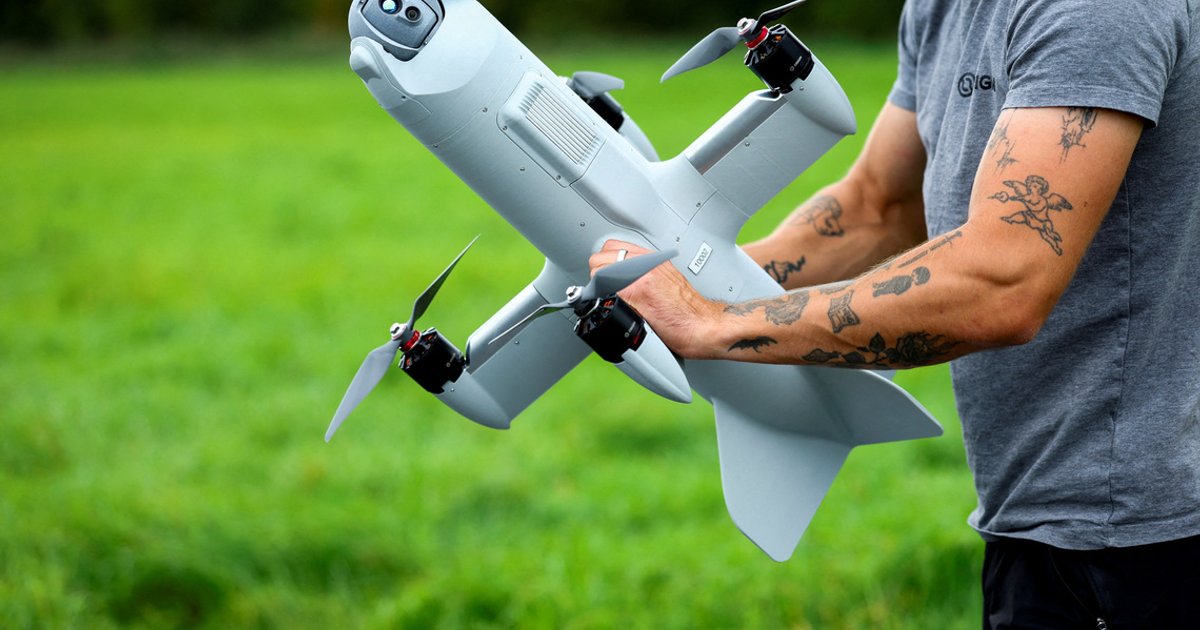
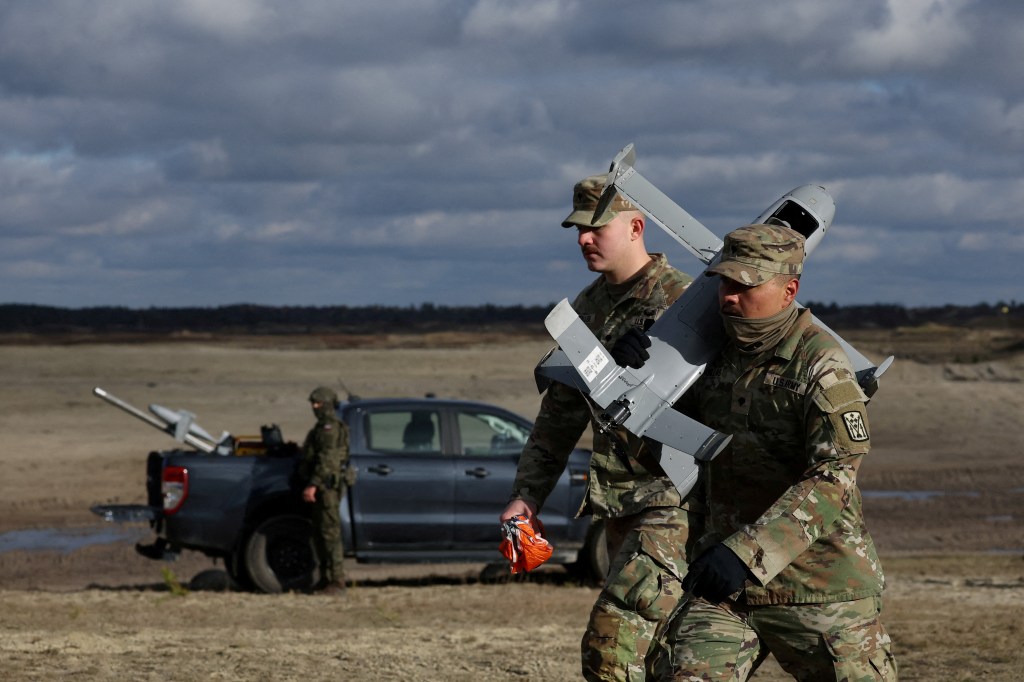
At Brétigny-sur-Orge, electronic jammers and interceptor drones are being tested to detect and then neutralise intruder drones.
The site, a former flight-test centre south of Paris, hosts trials of counter-drone systems. Potential customers are no longer only governments, police and armed forces. Private companies and public entities operating critical infrastructure want to strengthen their defences. Some utility companies are seeking authorisation to shoot down drones themselves. From Paris to Berlin, governments are taking note. The fear concerns a hybrid attack or a drone capable of depriving millions of people of electricity, as has frequently happened in Ukraine after Russian strikes.
French law opens the way for detection, jamming and shoot-down
The French Parliament adopted in August a law authorising approved critical infrastructure operators and their subcontractors to detect, jam and shoot down drones near designated sites. The legislation responds to a wave of incursions over critical and military sites, including flights over the Île Longue nuclear submarine base, near Brest, in December 2025.
Paris wants to equip by 2027 an expanded list of sensitive sites deemed of vital importance, according to a senior French official involved in the plans. The official spoke on condition of anonymity because the details are not public. “We were defenceless against the drone threat,” he said. The government wants to give critical infrastructure operators such as EDF and SNCF a catalogue of approved systems, ranging from electronic jammers to interceptor drones, depending on environments and situations.
Systematic Paris-Region, which runs the government test programme at Brétigny-sur-Orge, confirms important elements of the plan. The evaluations launched this summer catalogued three system integrators and 17 counter-drone systems. The evaluations are continuing and work is under way to speed up purchases among these solutions. The Ministry of Defence says the law adopted in August will strengthen capabilities to counter the threat, while specifying that it can speak only about critical infrastructure under its authority. EDF and SNCF did not comment.
From helicopters and power substations to counter-drone systems
Infrastructure operators already have surveillance resources. In Poland, the public transmission operator PSE patrols part of its high-voltage network of around 16,500 km by helicopter. It is preparing more powerful aircraft to protect an undersea electricity link to Sweden.
Counter-drone systems add to these resources without replacing them. The French catalogue must adapt to different environments and situations, from electronic jamming to drone interception. No compatibility with helicopter patrols or supervision of power substations is documented. The migration consists mainly of transferring to private operators capabilities hitherto reserved for the army, the police or the armed forces.
A catalogue of 17 systems, with no public performance data
The published figures stop at the catalogue: three integrators and 17 counter-drone systems. The programme must cover different environments and situations, with electronic jammers and interceptor drones. The public information does not specify, system by system, the range, interception ceiling, price or availability date. The expanded list of sensitive sites must be equipped by 2027, but the equipment delivery schedule is not detailed.
French law does not by itself settle the question of use. Approaches vary widely in Europe and legal uncertainties remain, particularly over which authority has the right to order a response to a drone threat. Shooting down a drone can injure or kill people on the ground or damage property, which raises questions of liability and accountability for companies.
Liability, price and field feedback remain to be established
Interviews with more than 30 executives, officials and drone specialists show that technology to detect and shoot down drones is maturing faster than the rules on who is authorised to use it. Kristian Ruby, secretary-general of the European energy association Eurelectric, considers that a heating outage this winter due to hybrid attacks is a theoretical possibility that is becoming practical.
For an operator, three elements are still missing to judge a system: price, availability and feedback from use. Performance per device, safety conditions and liability in the event of a crash are not specified. The right to order a response remains uncertain in several European countries. France is moving forward with a catalogue and a 2027 deadline. EDF and SNCF did not comment.
← Back to home · Search · Suggest a topic · Lire en français / Read in French