
Regulation — UK
CAA opens the dossier on delivery and inspection drone noise
A guidance document with no regulatory force
The document is called CAP3304, Managing Noise from Emerging Aviation Technology. The Civil Aviation Authority (CAA), the British civil aviation authority which has taken back its own drone rules since Brexit, published it on 12 October 2026. It runs to 134 pages. It identifies gaps in existing acoustic standards and recommends a method for building a national drone noise policy. The text is not a regulation and creates no applicable obligation. It serves as a basis for the Department for Transport's work on this policy. The CAA presents it as a guidance document, available at caa.co.uk/cap3304.
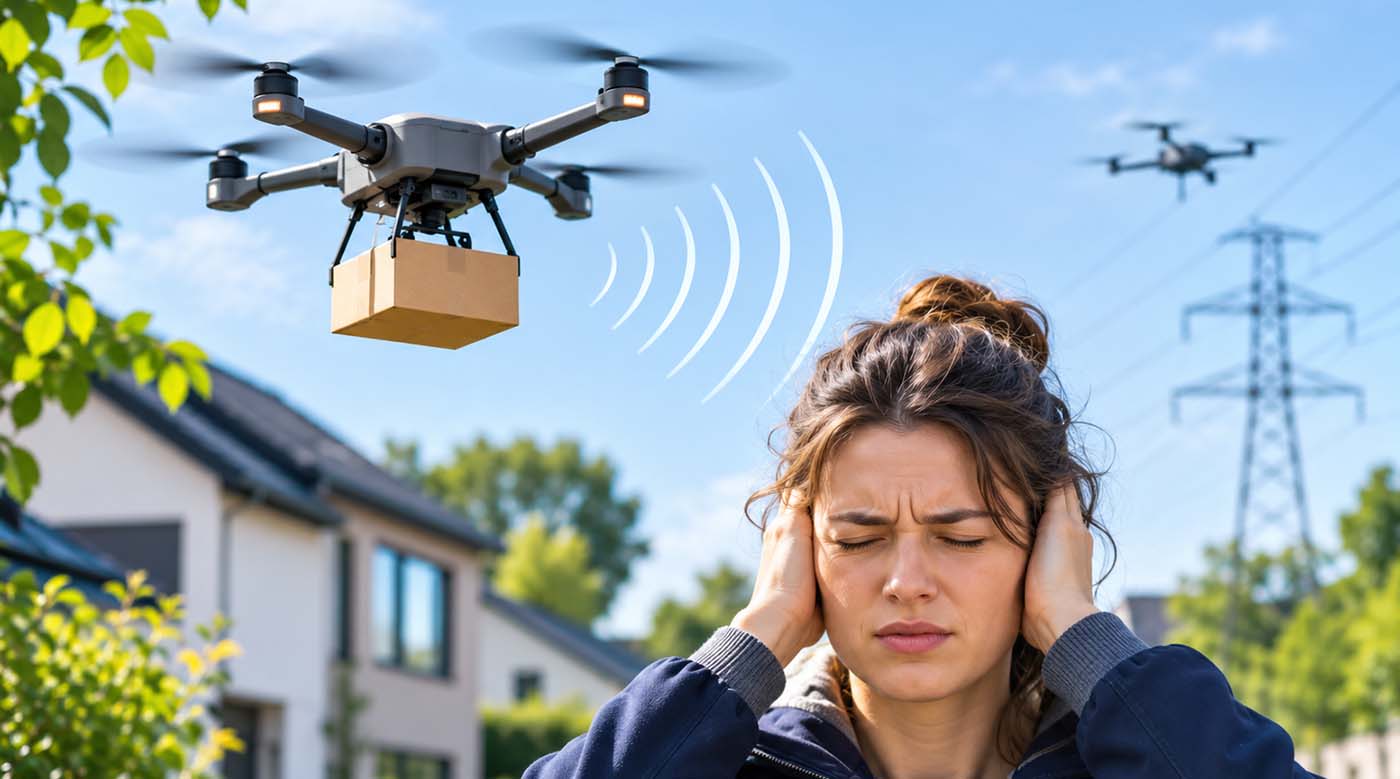
Drones and electric vertical take-off and landing aircraft (eVTOL) can produce noise exposure patterns different from conventional aviation. Aircraft and helicopters fly higher and follow established routes. Drones operate close to the ground, take off and land vertically, hover and are deployed across dispersed areas. Their frequency of use can be much higher. The CAA does not propose numerical limits at this stage: field data must be collected during trials and initial commercial operations.
Assessment principles with no numerical threshold
The report sets neither height, mass, class nor distance, and does not adopt a decibel ceiling. The CAA recommends proportionate assessments, common data requirements and interim measurement methods. Trials and initial deployments must provide the acoustic measurements, flight data and residents' feedback needed for the next stage.
The report addresses cumulative exposure. A single flight may be quiet. Dozens or hundreds of flights in the same area can produce significant annoyance. Around distribution centres and hubs, assessment must therefore cover cumulative exposure over time. The report uses inspections as an example: a drone quieter than a helicopter can generate higher overall exposure if its use multiplies, because drone inspection is cheaper. For deliveries, noise moves from airports to residential neighbourhoods, streets and delivery points. The CAA considers that planning around airports does not respond to this shift.
Decibels are not enough. Multirotor drones produce tonal and modulated sounds. Research cited in the report indicates that these psychoacoustic characteristics can make the noise perceived as more annoying than another source at the same level. The CAA suggests adding sound quality indicators to the standard LAeq and SEL measurements. The duration of sound events is also part of the assessment.
A timetable with no implementation date
No implementation date is announced. No public consultation is scheduled. No delegated act or implementing text is mentioned. The CAA recommends a gradual approach: an initial national drone noise policy, reviewable as operational evidence improves, informed by trials and initial deployments.
The timetable depends on data collection and decisions by the Department for Transport. The report sets no deadline for possible regulation and describes no enforcement mechanism. The CAA states that management measures could include restrictions on hours, number of flights or activity in sensitive areas if other levers are insufficient. These levers remain recommendations.
No decision on noise threshold or measurement method
The report decides neither the noise threshold nor the measurement method. It recommends early engagement with communities, information on flight locations and times, identification of the responsible party and a consistent complaints mechanism. These elements may change the final content of a policy.
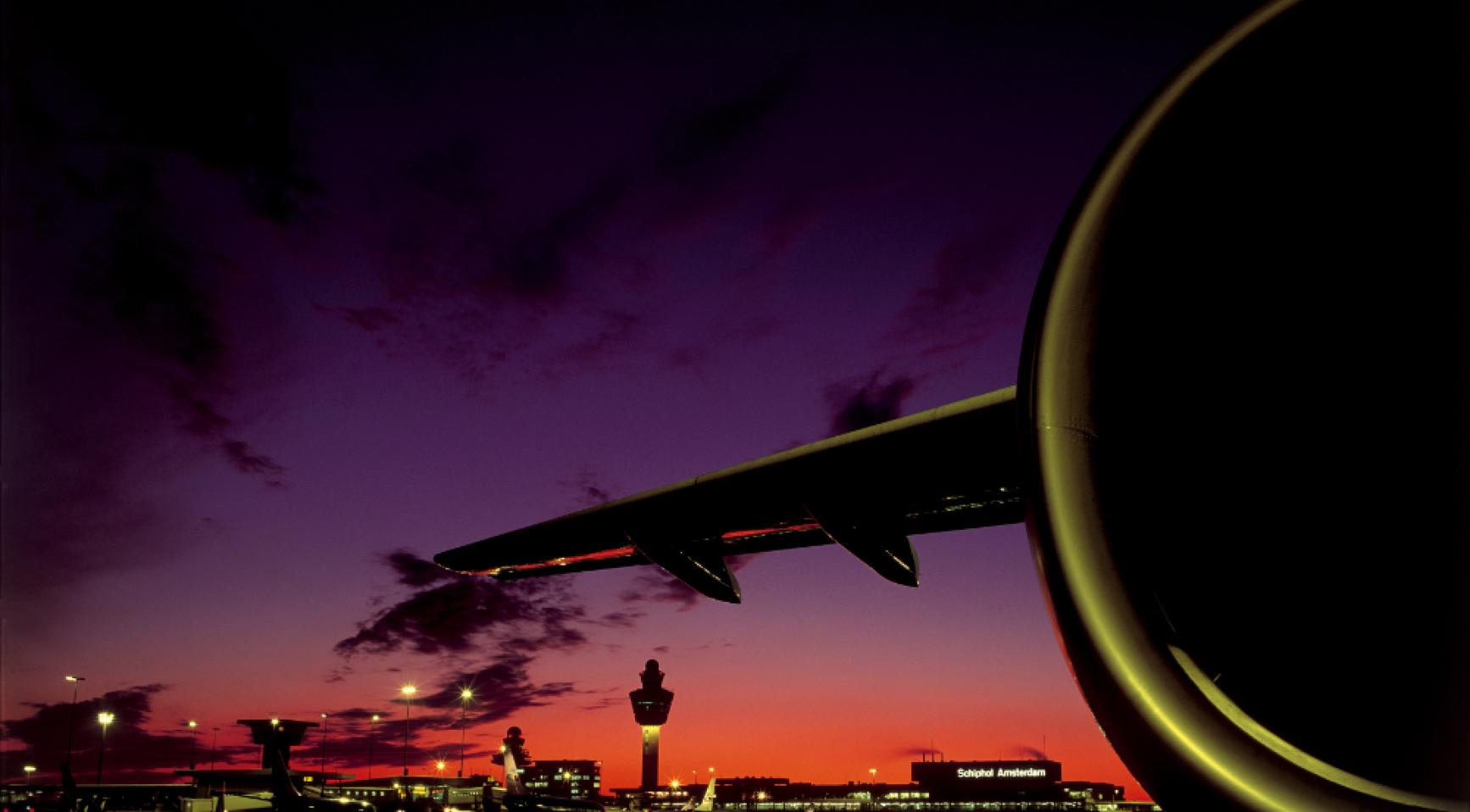
Ed Weston, head of research and environmental advice at the CAA, says that a clear and proportionate approach to noise can protect communities, give operators greater certainty and support the responsible development of these services. The report notes that the challenges described are not unique to the United Kingdom. In the Netherlands, Schiphol exceeded its noise limits three times between November 2023 and the end of October 2024, by 7 to nearly 22 per cent, without sanction, according to NL Times. In the United States, Wing and Walmart named Denver and Seattle for a drone delivery expansion in 2027.
← Back to home · Search · Suggest a topic · Lire en français / Read in French