
Incidents — FR
Two convicted for a drone delivery to Argentan prison
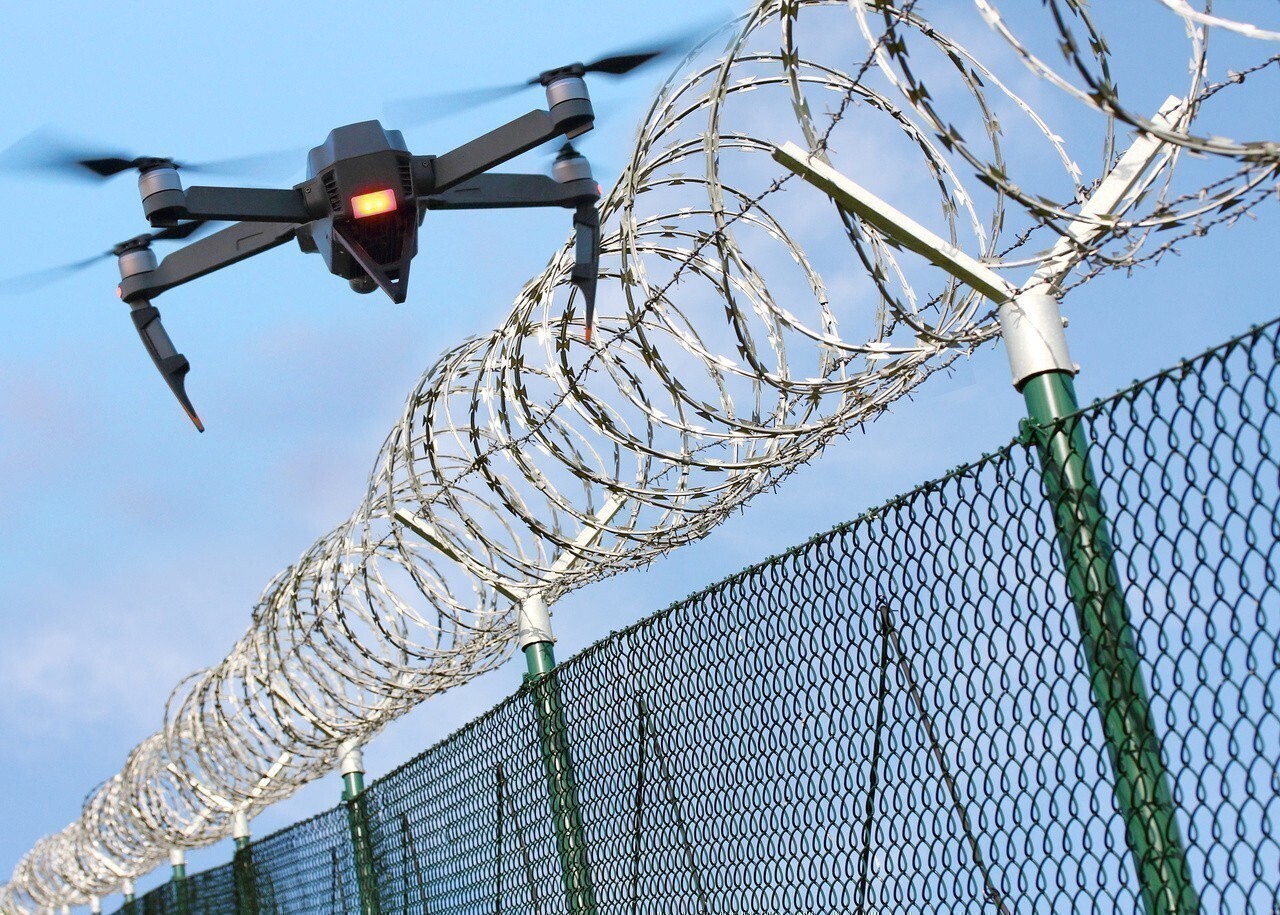
The conviction after being caught in the act in Argentan
Two people were convicted after being arrested in the act during a drone delivery to Argentan prison. The date of the hearing was not disclosed, nor was the exact court. The charge retained concerns the use of a drone to deliver a parcel to a prison establishment, a prohibited overflight. The sentence handed down was not made public. The fate of the seized equipment, drone and parcel, is not detailed.
The reported decision is a conviction, not a mere implication. It becomes final only after appeal routes have been exhausted. A first-instance conviction may be appealed; the two convicted people therefore have that possibility, unless stated otherwise. The file does not say whether they intend to exercise that remedy.
The established facts and the questions left open
The judges found that the drone was used to deliver to an inmate. The interception took place in the act, during the operation. This point matters: the prosecution is not based on a report after the event, but on surveillance that caught the flight and the delivery. The file does not specify the exact time, nor the method of surveillance.
No public information indicates whether other charges were examined and then dropped. The question of a relay inside the prison has not been publicly resolved. The number of flights, the type of drone and the nature of the parcel are not detailed. These gaps limit the scope of the analysis: the conviction establishes the principle of a penalty for delivery by drone, not the scale of the sentences applied in this case.
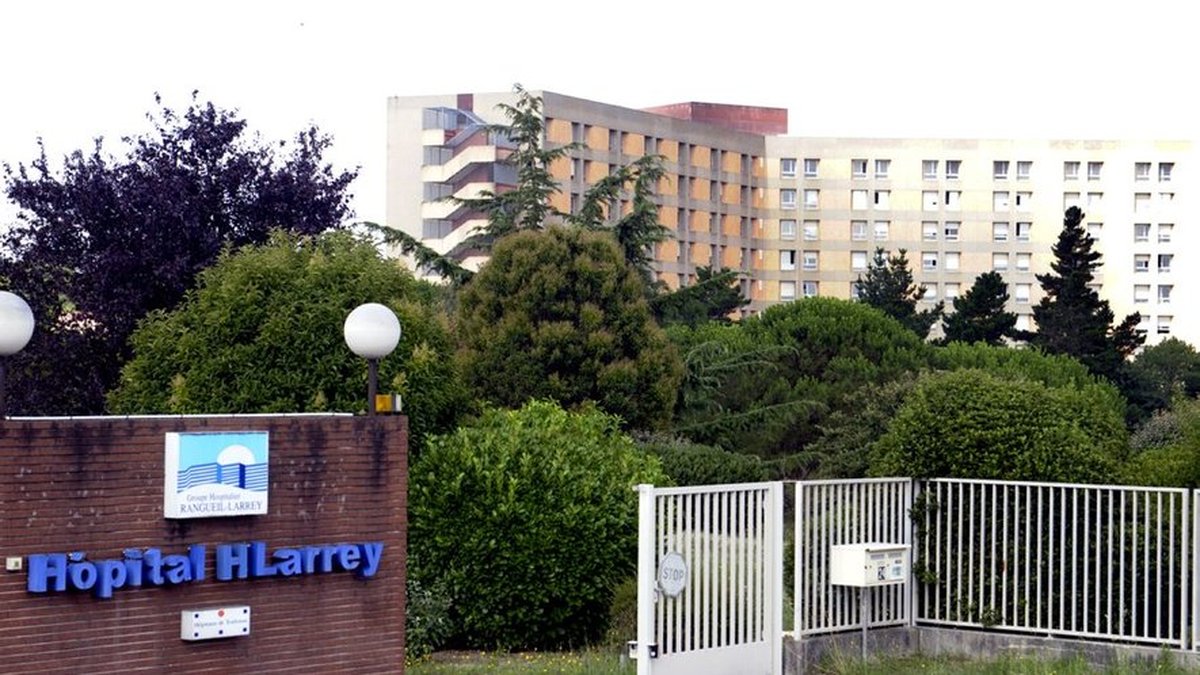
Other recent cases show the same pattern. During the night of 24 to 25 October 2026, two people from Hérault were arrested near Béziers prison, at 2.05 am, on rural road 126. A drone had just delivered a parcel to an inmate; the device was found in their car. The two people, a 36-year-old woman living in Valras-Plage and a 25-year-old man residing in Lespignan, were placed in police custody. The investigation was supervised by the public prosecutor of Béziers. In Toulouse, an employee at Larrey hospital flew his drone about ten times over the hospital between May and June 2026. His device was confiscated and he was summoned in early October 2026 before the prosecutor's delegate for a criminal settlement.
For drone pilots, an exclusion zone to be taken into account before flight

Overflying a prison establishment is an offence. Professional drone pilots must treat these sites as exclusion zones when preparing a flight, in the same way as an airport zone or a military site. A commercial mission or a delivery service does not create an exception. Prior authorisation, where it exists, must be verified before take-off, with the site manager and the competent authority.
In France, as of 3 November 2026, the penalties incurred give a measure of the risk. For non-compliant use in a prohibited zone, the regulations provide for up to €75,000 in fines, one year's imprisonment and a ban on piloting for three years. Flying an aircraft without authorisation in regulated airspace may also be punishable by a fine of up to €18,000 and up to five years' imprisonment. These maximums do not say what the Argentan court handed down; they set the framework within which judges may act.
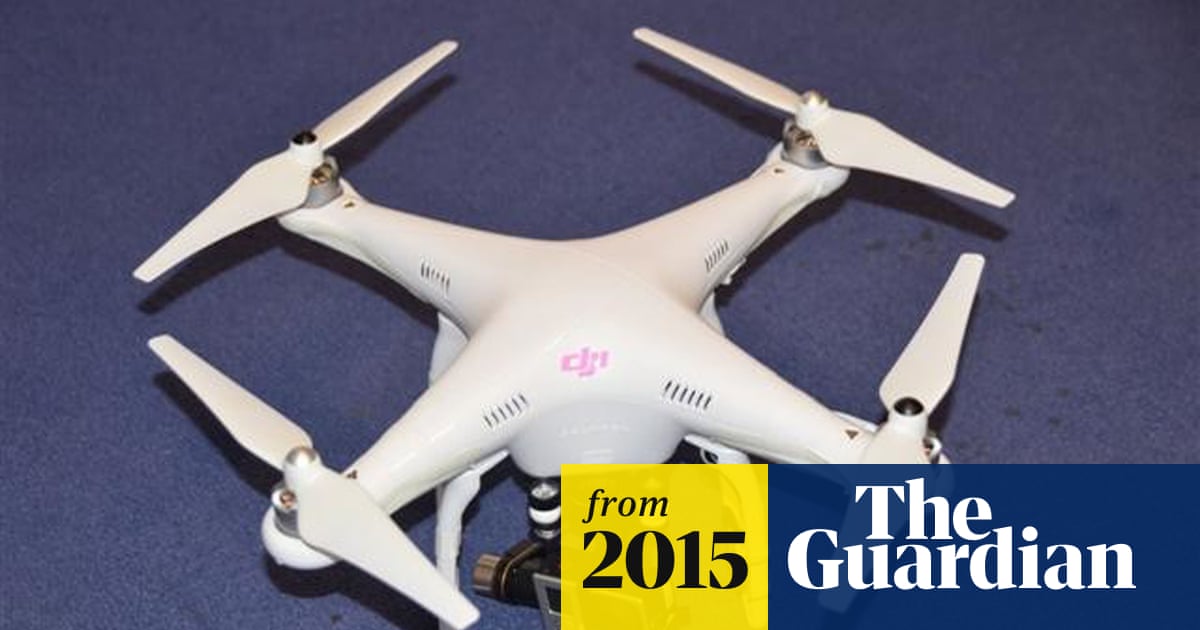
Abroad, penalties follow the same logic. In the United Kingdom, Nigel Wilson, 42, a security guard in Nottingham, was convicted in September 2015 for filming football matches, Parliament and Buckingham Palace. He was fined £1,800 for nine offences, £600 in costs, and had to surrender his equipment. The court also banned him from buying, borrowing or using a drone. In Canada, Toufic Chames, 22, appeared in court for flying a Phantom 4 in the airspace of Yellowknife airport. The prosecution and the defence proposed a $3,000 fine and a three-year flight ban; the judge found the agreement too lenient before setting the sentence on 25 October 2018.
For an operator, the practical consequence is simple: flight preparation must include a check of prohibited zones, a record of the site's coordinates and a record of the authorisation. A drone that takes off without this step exposes its pilot to seizure and to proceedings. The Argentan conviction does not create a new rule; it reminds that the prohibition is enforced.
← Back to home · Search · Suggest a topic · Lire en français / Read in French