
Incidents — FR
Unidentified drones overfly Toulon naval base for four nights
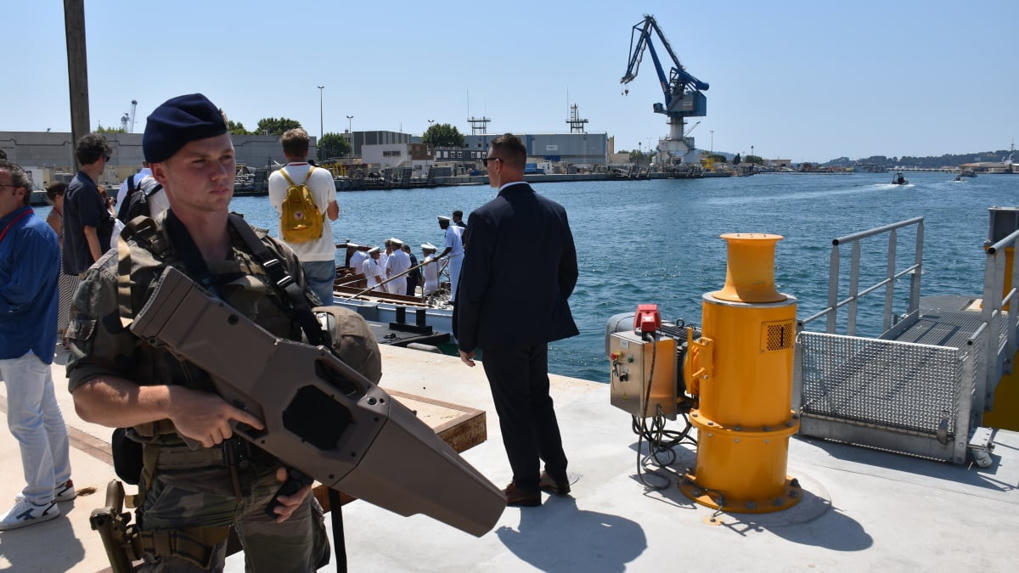
Four nights of overflights despite a reinforced system
Air&Cosmos reported the episode on 21 October 2026. Unidentified drones overflew the Toulon naval base for four nights without being intercepted. The site’s defence level had been raised because of Exercise Typhon, which was taking place during the same period. The outlet describes a “shock” for the French Navy, which believed it was up to the task.
Flight data are not public. Neither the type of aircraft, nor the altitude, nor the speed, nor the exact number of devices was disclosed. The source does not specify the sensors that detected the intrusions, nor the means that could have been deployed. It does not cite any official communication from the French Navy on the incident, and does not say whether the overflights took place at the same times or followed an identical route from one night to the next.
An origin and countermeasures not publicly established
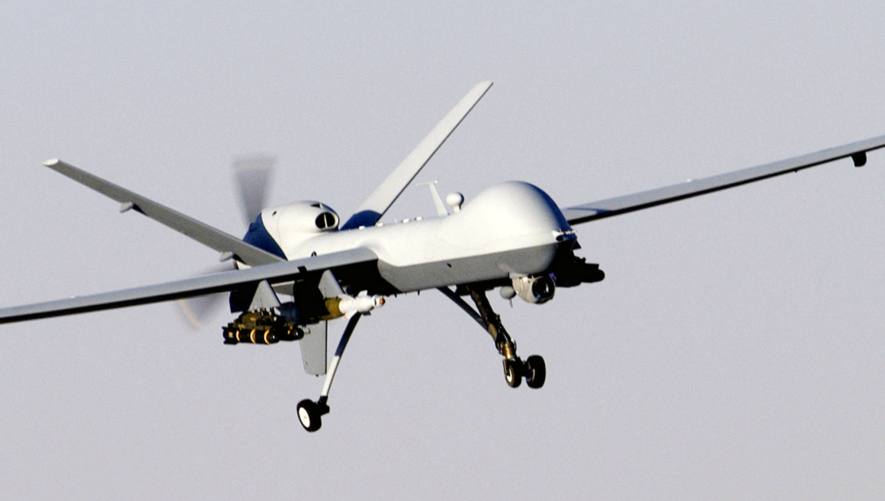
No official characterisation has been made public. The origin of the aircraft has not been established, nor have the countermeasures implemented. The account stops at the observation: devices penetrated the airspace of a naval base on four occasions, and no interception was reported.
This lack of characterisation has a precise scope. It prevents any conclusion on the nature of the aircraft, their level of sophistication or the intention of their operators. It also says nothing about the actual effectiveness of the countermeasure system, since any countermeasures attempted, if they exist, are not documented.
Langley, British bases: documented precedents
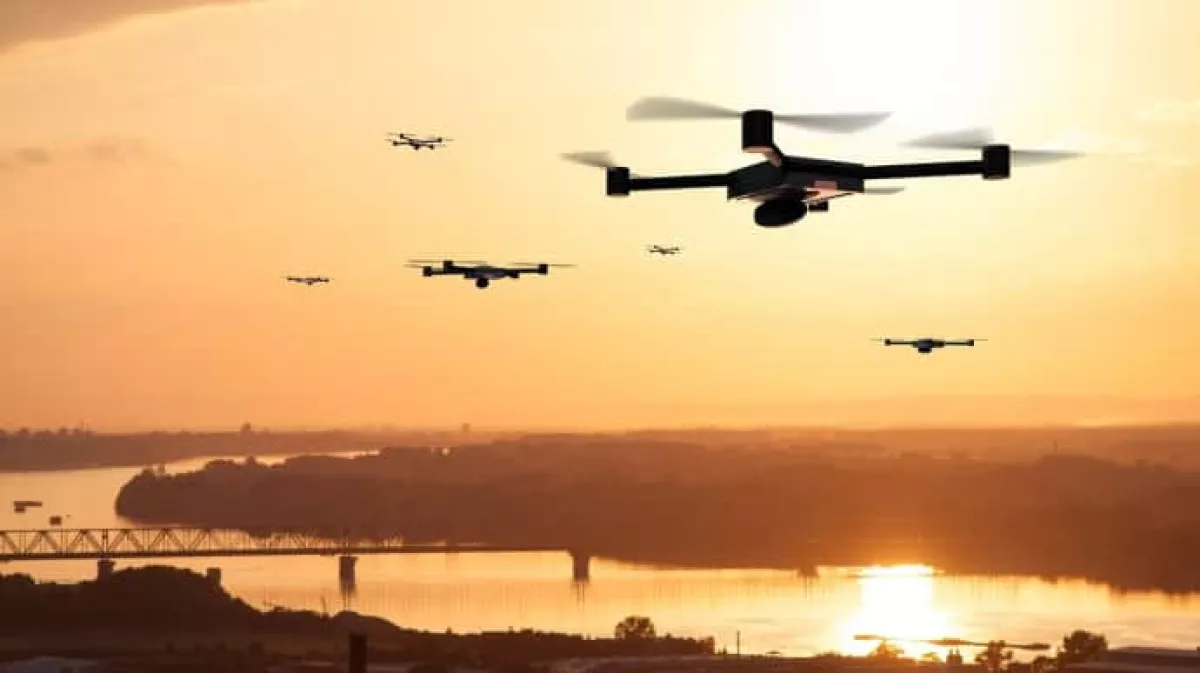
Other documented cases show comparable patterns. At Langley Air Force Base in Virginia, drones overflew the site for seventeen days from 17 December 2023. The Wall Street Journal, cited by several media outlets, reported that General Mark Kelly had estimated each aircraft at about 6 metres long, capable of flying at more than 160 km/h between 900 and 1,200 metres altitude. The devices flew in formation of one or two fixed-wing aircraft accompanied by smaller quadcopters, the size of a 9-kilogram commercial drone. US radars did not detect them, according to the cited reports. No one has established who was controlling them.
According to these reports, the drones crossed Chesapeake Bay towards Norfolk, where the SEAL Team Six base and Naval Station Norfolk are located. The quadcopters used a radio frequency unavailable to the general public, and local police forces, the only ones to attempt an interception, failed.
In November 2024, drones were observed over four US bases in the United Kingdom: RAF Lakenheath, RAF Mildenhall, RAF Fairford and RAF Feltwell, from 20 November. Around 60 British soldiers were deployed on 26 November to help secure the sites and implement a counter-drone system. Mark Cancian, a former Pentagon official, explained that it is difficult to distinguish a hostile intention from amateur curiosity, and that shooting down a drone carries a risk of collateral damage in populated areas.
In France, the French Navy tested the HELMA-P laser system on the frigate Forbin in June 2023, as part of the L2AD programme. Developed by CILAS from 2017, it was deployed during the Paris 2024 Olympic Games. Three years later, the aircraft carrier Charles de Gaulle tested an anti-drone laser during the La Fayette 26 mission, completed on 11 July after 166 days at sea, according to Cols Bleus.
What an operator should take away when preparing a sensitive area
Geofencing is a software barrier. It declares a prohibited zone in navigation systems, but it does not block an aircraft that ignores it or bypasses it. The Toulon case shows that a sensitive area can be overflown several nights in a row without any reported interception.
For a professional operator, preparing a mission in a sensitive area requires knowing the restrictions applicable to the site and the flight date, being able to detect the presence of other aircraft, including non-cooperative ones, and defining a reaction: interruption of the mission, landing, contact with the authorities.
In practice, an operator checks the restrictions in force, ensures that the flight plan includes a safety margin, and provides for a stop procedure. They keep a record of the checks carried out. These elements do not guarantee the absence of intrusion, but they document the preparation and limit exposure in the event of an incident.
Compliance is not limited to respecting a zone drawn on a map. It depends on detection and reaction. An operator preparing a sensitive area must know what they will do if a third party enters the airspace, and document that preparation.
← Back to home · Search · Suggest a topic · Lire en français / Read in French